
Side Dishes
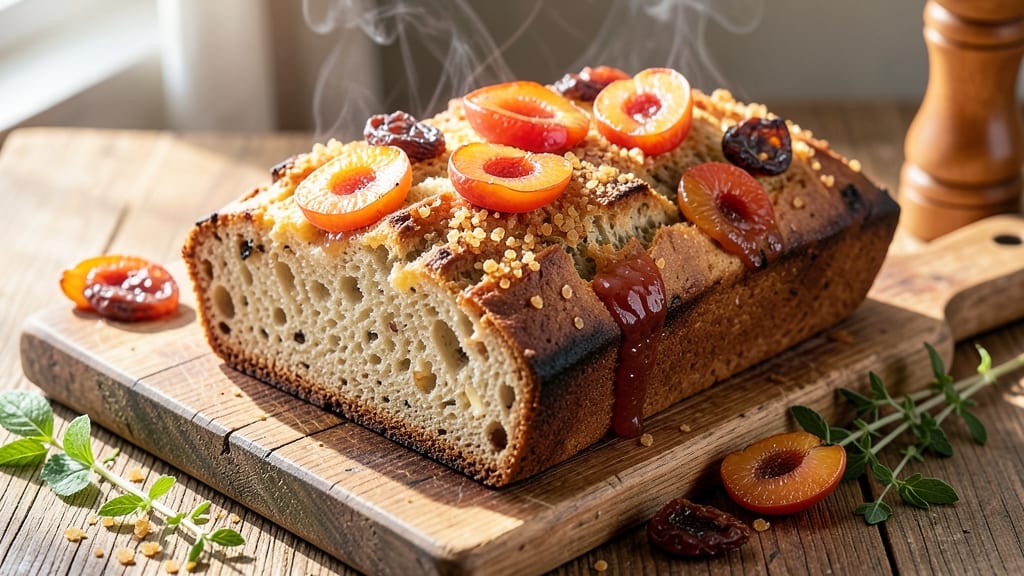
This apricot sourdough bread recipe transforms your kitchen into a rustic bakery with its perfect balance of sweet-tart fruit swirls and artisanal crust. The secret lies in a slow fermentation that develops deep flavor while keeping the crumb tender and the crust irresistibly crisp. I've baked this exact loaf for holiday breakfasts and summer picnics—it's equally impressive as a savory side or lightly toasted with butter for dessert.
The dough incorporates fresh or dried apricots (your choice) through simple folding techniques that create beautiful marbled swirls without extra effort. We'll use a 30-minute autolyse to relax the gluten, followed by a 2-hour bulk fermentation at room temperature—this patience pays off with a lighter texture and more complex flavor.
The scoring pattern isn't just decorative; it controls expansion and creates those coveted shatteringly crisp edges.
By the time it emerges from your oven, you'll have a loaf with a golden, crackling crust and a soft, open crumb studded with juicy apricot pieces. The fruit's natural sugars caramelize slightly during baking, creating pockets of concentrated sweetness that contrast beautifully with the tangy sourdough.
This bread keeps well for 5 days at room temperature or freezes perfectly for up to 3 months.
Serve it warm with cultured butter for breakfast, pair it with sharp cheeses for an afternoon picnic, or even use it as a dessert base with whipped cream and honey.
The versatility makes it a crowd-pleaser for any occasion. Let's get started on this bakery-quality loaf that's easier than it looks.
Ingredients for apricot sourdough bread
Eight essential ingredients transform simple flour into bakery-style apricot sourdough magic.
| Ingredient | Amount | Notes |
|---|---|---|
| Active Sourdough Starter 🍞 | ½ cup | Fed and bubbly, 100% hydration |
| All-Purpose Flour 🌾 | 4 cups | King Arthur or similar high-protein |
| Granulated Sugar 🍚 | ¼ cup | For dough and fruit sweetness |
| Unsalted Butter 🧈 | ½ cup | Cold, cubed for dough enrichment |
| Large Eggs 🥚 | 2 whole | Room temperature for even mixing |
| Instant Yeast 🍄 | ¼ tsp | Optional, enhances fermentation |
| Salt 🧂 | 1 ½ tsp | Diamond Crystal preferred |
| Fresh Apricots 🍑 | 1 ½ cups | Pitted, chopped, or dried equivalent |
| Honey 🍯 | 2 tbsp | For fruit coating and dough |
| Whole Milk 🥛 | ¼ cup | Warmed for dough hydration |
| Cornmeal 🌽 | ¼ cup | For dusting baking sheet |
The sourdough starter is non-negotiable here—it's what gives this bread its signature tang and depth. King Arthur or similar high-protein flour develops gluten beautifully for that open crumb. For apricots, fresh is ideal (peeled, pitted, chopped into small pieces), but dried apricots work too—just soak them in warm water for 10 minutes first. I always grab organic apricots from Whole Foods when they're in season, but the regular grocery store variety is fine. The butter should be cold—this keeps the dough from getting too soft during the autolyse. If you're in a rush, European-style butter like Plugrá melts slower and adds more flavor.
No fresh apricots? Dried apricots at half the amount work perfectly—just chop them finely. Short on butter? Coconut oil at the same quantity gives similar richness. The milk can be swapped for water, but the dough will be slightly less tender. For a more intense flavor, add 1 tsp apricot jam to the dough along with the fruit. The honey can be replaced with maple syrup, but honey's floral notes complement the apricots beautifully. If you're making this ahead, prep the fruit mixture the night before—it keeps in the fridge for up to 3 days.
This dough keeps beautifully—cover it with a damp towel and refrigerate for up to 24 hours before shaping. The shaped loaf can rest in the fridge overnight for even better flavor. Once baked, let it cool completely on a wire rack before slicing (this prevents a gummy crumb). Wrapped in a clean kitchen towel, it stays fresh for 5 days at room temperature. For longer storage, freeze the cooled loaf wrapped in plastic for up to 3 months. To reheat, wrap in foil and warm in a 350°F oven for 10 minutes—nothing beats that fresh-from-the-oven aroma.
Why You'll Love This Recipe
- Sweet Simplicity: I swear, this bread comes together with just a handful of pantry staples—no fancy techniques or obscure ingredients. The dough’s forgiving, so even if your starter’s a little sluggish or the butter’s soft, it still turns out golden and tender.
- Butter-Soft Magic: That first bite of warm apricot jam oozing into the crumb? Absolute perfection. The sugar caramelizes just enough to give it a subtle sweetness, while the butter keeps every slice irresistibly soft—no dry, sad bread here.
- Breakfast to Brunch: Honestly, I make this for everything. Toast it for breakfast with a smear of almond butter, tear it into crostini for charcuterie, or serve it with jam and cheese at a lazy Sunday brunch. It’s the one loaf that does it all without trying too hard.
- Leftovers That Last: Between us, this bread stays fresh for days, which means fewer grocery runs and more time for other things. I’ll freeze slices for quick toast later, or pack it in lunches—no sad, stale bread here, just consistent, delicious crumb every time.
Step-by-step instructions for apricot sourdough bread
Here's how to craft a golden-crusted loaf with juicy apricot swirls that balance sweet and tangy flavors perfectly.
Prepare the Apricot Compote
In a small saucepan, combine the 1.5 cups fresh apricots (chopped into small pieces) with the 2 tablespoons honey and 0.25 cup whole milk. Bring to a gentle simmer over medium heat and cook for 8-10 minutes until the apricots soften and the mixture thickens slightly. You'll know it's ready when the fruit releases its juices and forms a syrupy consistency—this ensures sweetness without turning the dough too sticky.
Let the compote cool completely before using. I like to mash it lightly with a fork to break up any large fruit pieces, but leave some texture for that delightful bite in each slice. The warm milk and honey create a perfect balance of tartness from the apricots and natural sweetness that complements the sourdough's tang.
Mix the Dough Components
In a large mixing bowl, combine the 4 cups all-purpose flour, 0.25 cup granulated sugar, 1.5 teaspoons salt, and 0.25 teaspoon instant yeast. Make a well in the center and add the 0.5 cup cold unsalted butter (cut into small cubes), 2 whole large eggs (room temperature), and the 0.5 cup active sourdough starter. Using a wooden spoon or dough whisk, mix until the butter begins to incorporate and the mixture comes together in a shaggy dough.
Gradually add the cooled apricot compote, mixing until fully combined. The dough will be soft and slightly sticky—this is normal. If it feels too wet, add 1-2 tablespoons more flour until it holds together when pressed. The sourdough starter will give the dough its signature tang, while the butter and eggs create a tender crumb that contrasts beautifully with the fruit's texture.
Knead and First Rise
Turn the dough onto a lightly floured surface and knead for 8-10 minutes until smooth and elastic. You'll know it's ready when it springs back slowly when pressed. Shape the dough into a round loaf and place it in a lightly greased bowl. Cover with a damp towel and let rise at room temperature for 1-2 hours, or until it has nearly doubled in size. The dough should feel light and airy—this indicates proper fermentation.
Here's the thing—don't rush this step. The longer the rise, the more complex the flavor. If your kitchen is cold, extend the rise time to 2-3 hours for even better flavor development. The sourdough starter works its magic during this time, creating those signature tangy notes that make this bread special.
Shape and Second Rise
Punch down the risen dough and shape it into a round loaf. Place it seam-side up in a 9x5-inch loaf pan that has been lightly greased. Cover again and let rise for another 30-45 minutes until it domes slightly above the pan. Preheat your oven to 375°F during the final 15 minutes of rising—this ensures the bread goes in hot and bakes evenly.
For the apricot swirl, gently press the cooled compote into the top of the dough in a decorative pattern using the back of a spoon. This creates those beautiful fruit pockets that burst with flavor when you slice into the loaf. The second rise is crucial—it gives the bread its signature height and open crumb structure that makes each slice irresistible.
Bake to Golden Perfection
Bake the bread for 35-40 minutes until the crust is deep golden brown and sounds hollow when tapped on the bottom. The internal temperature should reach 190-200°F when measured with an instant-read thermometer. If the top browns too quickly, tent loosely with foil to prevent over-browning while ensuring the interior cooks through.
When done, remove from the oven and let cool in the pan for 10 minutes, then transfer to a wire rack. The bread will continue to set as it cools, making each slice perfectly sliceable. For extra crunch, brush the warm loaf with a little melted butter while still hot. This apricot sourdough bread delivers a perfect balance of crisp crust, tender crumb, and bursts of sweet-tart fruit in every bite.
Pro Tips For Making Apricot Sourdough Bread
- STRETCH THE DOUGH: Fold your apricot-infused dough in thirds, not just one or two—this builds gluten and traps those jammy pockets so they don’t ooze out during baking. I learned this the hard way when my first batch leaked all over the pan.
- CHILL THE BUTTER: Take your unsalted butter straight from the fridge for the apricot filling—it won’t melt as fast when mixing with sugar and eggs, and the bread stays flaky instead of gummy. (Yes, even if you’re impatient like me.)
- WEIGH YOUR FLOUR: Skip the scooping and measure by weight—500g of all-purpose flour is not the same as 4 cups. Too much flour makes the bread dense, and you’ll miss the light, airy texture sourdough deserves.
- BAKE UNTIL GOLDEN: Don’t pull the bread out at 190°C (375°F)—wait until the crust is deep golden brown, not just pale. The internal temp should hit 93°C (200°F) for a perfect crumb. (Your future self will thank you.)
Regional styles of this recipe
French Brioche Twist
In Provence, bakers often blend sweet brioche dough with fruit preserves for a richer texture. Replace 2 tablespoons of the apricot compote with 2 tablespoons apricot jam (like Bonne Maman) and add 1 extra egg yolk for extra richness.
Shape the dough into a boule instead of a loaf, then bake at 350°F for 30 minutes in a pullman pan for a dramatic rise. The brioche's buttery layers complement the fruit beautifully. 🥖
Italian Dolce Style
Tuscan bakers often incorporate citrus and herbs into fruit breads. Add 1 teaspoon grated lemon zest and 1 teaspoon fresh rosemary (finely chopped) to the dough. Use dried apricots instead of fresh (soaked in warm water for 10 minutes) and fold them into the dough during the final knead.
Bake in a cloche for the first 20 minutes to create a crispy, caramelized top. Serve warm with whipped mascarpone and honey. 🍋
German Fruitlaib
In Bavaria, fruitlaib (fruit bread) often features a mix of dried fruits. Swap the apricots for ½ cup chopped dried apricots and ½ cup raisins, then add 1 teaspoon ground cardamom to the dough.
Shape into a round loaf and bake in a floured banneton for an artisanal look. Brush with melted butter while warm and sprinkle with coarse sugar for a sweet, spiced finish. 🌟
American Southern Apricot Quick Bread
For a faster version, replace the sourdough starter with 1 teaspoon baking powder and 1 teaspoon baking soda. Use 2 cups all-purpose flour and 1 cup buttermilk for a tender crumb. Fold in 1 cup chopped fresh apricots and 2 tablespoons brown sugar.
Bake in a greased 8x4-inch loaf pan at 350°F for 45-50 minutes. This version is perfect for brunch—serve with honey butter or jam. 🍯
Scandinavian Cardamom Swirl
Nordic bakers often add warming spices to fruit breads. Mix 1 teaspoon ground cardamom and ½ teaspoon cinnamon into the dough, then fold in 1 cup chopped fresh apricots.
Shape into a round boule and bake in a preheated Dutch oven at 425°F for 25 minutes, then reduce to 375°F for 20 minutes. The spices enhance the apricot's natural sweetness while keeping the crust crisp. 🌨️
Nutrition facts
Frequently asked questions
Can I use dried apricots instead of fresh?
For every 1.5 cups fresh apricots called for, use ½ cup dried apricots (chopped) instead. Soak them in warm water for 10 minutes first to rehydrate, then drain well before mixing into the dough. The texture will be slightly chewier but still delicious.
Why does my sourdough starter need to be "fed and bubbly"?
The starter must be active to properly ferment the dough, creating that signature tang and light texture. Look for bubbles throughout and a doubled volume within 4-6 hours after feeding. If it smells sour or has gray streaks, it's overripe—discard half and feed with fresh flour and water. A healthy starter is the foundation of great flavor!
How do I prevent the bread from being too dense?
Three key factors: proper kneading (until elastic but not tough), adequate fermentation time (at least 2 hours bulk rise), and not overmixing when adding the fruit. Also ensure your kitchen is 70-75°F—cooler temps slow fermentation. If the dough feels too slack, add 1 tbsp flour at a time during mixing.
Can I make this ahead of time?
Yes! Shape the loaf and refrigerate it overnight (up to 24 hours) before baking. The cold slows fermentation, intensifying flavor. For longer storage, freeze the baked loaf wrapped in plastic for up to 3 months. To serve, thaw at room temperature or warm in a 350°F oven for 10 minutes for fresh-from-oven texture.
What's the best way to store leftover slices?
Wrap individual slices in parchment paper, then store in an airtight container at room temperature for 3-4 days. For longer freshness, freeze slices for up to 1 month. To reheat, wrap in foil and warm in a 350°F oven for 5-7 minutes—this restores the crust's crispness.