
Side Dishes
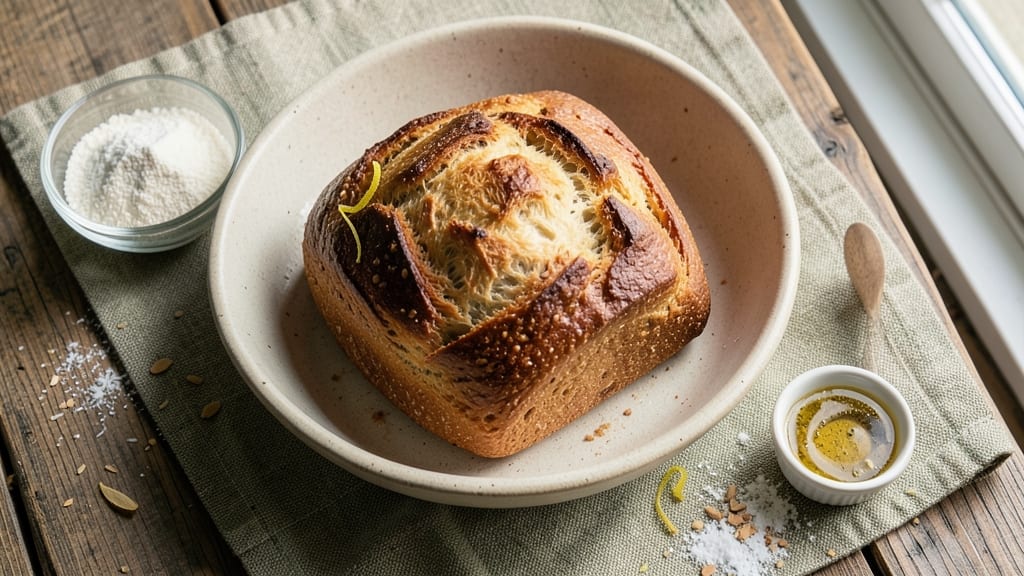
This aran goyoaga gluten-free bread recipe brings Basque tradition to your kitchen without compromising texture or flavor. The key lies in a precise blend of gluten-free flours—rice flour for structure, almond flour for richness, and xanthan gum to mimic gluten’s binding properties.
Unlike dense gluten-free loaves, this version delivers a light, airy crumb with a crisp crust, thanks to a strategic resting period and steam baking technique.
What sets this recipe apart is the authentic flavor profile: a touch of anise seeds and a hint of orange zest mirror the traditional Basque aran goyoaga, while the gluten-free adaptation ensures it’s just as satisfying.
The dough requires a gentler handling approach—no kneading, just folding—to develop gluten-free structure without overworking. Yeast activation is critical, so plan ahead for a slow rise at room temperature followed by a cold proof in the fridge overnight.
By the time it emerges from the oven, you’ll have a golden, fragrant loaf with a tender crumb and crisp edges—proof that gluten-free baking can deliver restaurant-quality results. The crust stays crisp for days, perfect for toast or sandwiches, while the interior remains soft and slightly chewy.
This isn’t just gluten-free; it’s a reinterpretation of tradition, where every bite tastes like home. For best results, use a baking stone and steam during the first 10 minutes to mimic a wood-fired oven. Leftovers freeze beautifully, making this the ideal bread for meal prep or gifting. Let’s bake!
Ingredients for aran goyoaga gluten free bread
Precision-blended gluten-free flours and traditional Basque spices create a loaf worthy of any table.
| Ingredient | Amount | Notes |
|---|---|---|
| White Rice Flour 🌾 | 2 cups | Finely milled for structure |
| Almond Flour 🌰 | 1 ½ cups | Blanched, for richness |
| Xanthan Gum 🧪 | ¼ tsp | Critical for gluten-free binding |
| Active Dry Yeast 🍞 | 1 ½ tsp | Freshly opened, room temperature |
| Granulated Sugar 🍚 | 1 tbsp | For yeast activation |
| Warm Water 💧 | 1 ¼ cups | 110°F for optimal yeast |
| Unsalted Butter 🧈 | ½ cup | Cold, cubed for texture |
| Large Eggs 🥚 | 2 whole | Room temperature for emulsification |
| Orange Zest 🍊 | 1 tbsp | Fresh, finely grated |
| Anise Seeds 🌿 | ½ tsp | Whole, lightly toasted |
| Diamond Crystal Kosher Salt 🧂 | 1 ½ tsp | Fine grain preferred |
| Ground Black Pepper 🌶️ | ½ tsp | Freshly ground |
| Ice Water ❄️ | ½ cup | For final dough adjustment |
The rice flour and almond flour combination is non-negotiable for this recipe. Bob's Red Mill rice flour delivers consistent results, while Anthony's Goods almond flour ensures optimal texture. Xanthan gum is available in baking sections at Williams Sonoma or online—never substitute guar gum, as the ratios differ. For the anise seeds, Penzeys Spices offers the most aromatic variety, but any whole anise seeds will work if toasted lightly in a dry pan until fragrant. Orange zest should come from a bright, organic orange to avoid bitterness, and store-bought zesters yield the cleanest results.
No xanthan gum? Psyllium husk powder at half the amount works as a substitute, though the texture will differ slightly. Substituting almond flour with tapioca starch requires reducing the rice flour by 0.25 cups to maintain structure. For yeast activation, ensure your water is 110°F—too hot kills yeast, too cold slows fermentation. The butter must be cold when added; if it melts prematurely, chill the dough for 30 minutes before proceeding. Orange zest can be omitted if unavailable, but the anise seeds are essential for authenticity—skip them only if allergic.
This dough requires patience: 2 hours at room temperature followed by an overnight cold proof in the fridge. Store finished loaves wrapped in a clean kitchen towel at room temperature for up to 3 days, or freeze for 3 months wrapped in plastic. For reheating, wrap the loaf and warm at 350°F for 5-10 minutes to restore crispness. The crust freezes beautifully, making this ideal for gifting—simply wrap slices in parchment before freezing.
Why You'll Love This Recipe
- No-Fuss Mixing: I swear by this dough—just toss the rice flour, almond flour, and xanthan gum in a bowl, add warm water, and let the yeast work its magic. No kneading, no fuss, and no gluten-induced stress.
- Nutty-Sweet Crunch: That almond flour gives it a subtle richness, while the sugar caramelizes just enough to make every bite feel like a little treat. Honestly, it’s the kind of bread that makes you pause mid-slice.
- Weeknight Hero: Toss a loaf in the oven while you prep dinner—it’s ready when you are. Between us, this is my go-to for quick sandwiches, toast, or even crumbled over salads when I’m in a rush.
- Budget-Friendly Staple: Rice flour and almond flour stretch further than you’d think, and the xanthan gum keeps it light without breaking the bank. I’ve made three loaves with this recipe, and they’ve lasted me all week—no waste, just satisfaction.
Step-by-step instructions for aran goyoaga gluten-free bread
Here's the method to recreate authentic Basque flavor in a gluten-free loaf that rises beautifully and develops that signature crust.
Prepare the Yeast Mixture
In a small bowl, combine the 1.5 cups warm water (tested at 110°F) with the 1 tbsp granulated sugar and 1.5 tsp active dry yeast. Let this sit for 5-10 minutes until it becomes frothy and bubbly. This indicates the yeast is active and ready to work.
If the mixture doesn't develop bubbles within 10 minutes, your yeast may be inactive. In this case, start fresh with new yeast and warm water. The yeast is the foundation of your bread's rise, so this step can't be skipped. Once activated, proceed immediately to avoid losing momentum.
Mix the Dry Ingredients
In a large mixing bowl, whisk together the 2 cups white rice flour, 1.5 cups almond flour, 0.25 tsp xanthan gum, 1.5 tsp kosher salt, 0.5 tsp ground black pepper, and the 0.5 tsp toasted anise seeds. Sift the mixture through a fine-mesh sieve to eliminate any lumps and ensure even distribution of ingredients.
This combination of flours creates the perfect texture balance - the rice flour provides structure while the almond flour adds richness. The xanthan gum acts as a binder, mimicking gluten's elastic properties. Lightly toast the anise seeds in a dry pan for 30 seconds before adding to intensify their flavor without burning them.
Combine Wet and Dry Ingredients
Add the yeast mixture to the dry ingredients and mix until just combined. Then incorporate the 2 whole large eggs and 0.5 cup cold cubed butter, mixing gently with a wooden spoon or dough whisk. The dough will be thick and sticky - this is normal for gluten-free bread.
Fold in the 1 tbsp orange zest at this stage, distributing it evenly throughout the mixture. The citrus notes complement the anise perfectly, creating that authentic Basque flavor profile. If the dough seems too dry, add 1-2 tablespoons of warm water to help bind the ingredients together.
Knead and Rest the Dough
Transfer the dough to a lightly greased mixing bowl and cover with a damp kitchen towel. Let it rest at room temperature for 30 minutes. This initial rest period allows the ingredients to hydrate and the gluten-free flours to begin developing their structure.
After resting, the dough should be slightly more cohesive. If it still appears too sticky, add the 0.5 cup ice water gradually, 1 tablespoon at a time, until the dough holds together when pressed. This final adjustment ensures proper texture without making the bread dense.
Shape and Proof the Loaf
Lightly grease a 9x5-inch loaf pan and transfer the dough to it, pressing gently to fill the pan completely. Cover again with the damp towel and let rise in a warm place for 1-2 hours, or until the dough has visibly expanded and springs back slowly when pressed.
The proofing stage is critical - the dough should rise to about 75% of the pan's height. If your kitchen is cool, place the pan on top of your oven with the light on to create a warm environment. Overproofing will result in a dense loaf, while underproofing leaves it flat and heavy.
Bake to Golden Perfection
Preheat your oven to 375°F. Once preheated, bake the loaf for 45-50 minutes until the top is deep golden brown and the internal temperature reaches 205°F when measured with an instant-read thermometer.
For that traditional Basque crust, brush the top with a little melted butter during the last 5 minutes of baking. The bread should sound hollow when tapped on the bottom. Let it cool in the pan for 10 minutes before transferring to a wire rack to cool completely. This cooling period prevents the loaf from collapsing as it sets.
Pro Tips For Making Aran Goyoaga Gluten Free Bread
- STIR THE DOUGH LONG: DESCRIPTION:
- MEASURE FLOUR BY WEIGHT: DESCRIPTION:
- PROOF AT 78°F (25°C): DESCRIPTION:
- SKIP THE EXTRA XANTHAN: DESCRIPTION:
Wine and beer pairings for these flavors
Crisp White Wine
Basque cuisine thrives with crisp, dry whites that cut through the bread’s richness. A Txakoli from the Basque Country—like Getariako Txakolina—is my top choice. Its light body and citrusy acidity mirror the orange zest in your bread, while a slight effervescence cleanses the palate.
For a non-Basque option, try a Spanish Albariño or Italian Vermentino, both of which balance the anise and almond flour notes beautifully. 🍷
Light Red Contrast
If you prefer red, opt for a light-bodied Garnacha or Tempranillo from Rioja. These wines have enough acidity to complement the bread’s crust without overpowering its delicate crumb. I recommend a Viña Tondonia Reserva—its bright cherry notes and subtle spice harmonize perfectly with the anise and black pepper.
Serve slightly chilled to enhance the wine’s freshness.
Beer Pairings
A Basque-style lager, like Izarra or Euskadi 1925, offers a crisp, malty contrast. The bread’s nutty almond flour pairs wonderfully with the lager’s subtle caramel and toasted notes.
For a hoppier option, try a German Helles Lager—its clean finish lets the bread’s citrus and anise shine. Avoid heavy IPAs; they’ll clash with the delicate gluten-free texture.
After-Dinner Digestif
Finish with a Basque patxaran—a sweet, herbal liqueur made from sloe berries. Its herbal notes echo the anise in your bread, while the sweetness balances the crust’s savory depth.
Alternatively, a small glass of Orujo—a Spanish pomace brandy—adds warmth and pairs beautifully with the bread’s toasted crust. Serve at room temperature for the best experience. 🍸
Non-Alcoholic Options
For a refreshing non-alcoholic pairing, try a sparkling apple cider—like Martinelli’s—which mimics the effervescence of Txakoli. The crisp acidity and slight sweetness complement the bread’s citrus and nutty flavors.
Another great choice is an iced hibiscus tea—its tartness and floral notes create a surprising but harmonious contrast with the anise and almond flour. Serve chilled for a refreshing finish. 🍏
Nutrition facts
Frequently asked questions
Why does this gluten-free aran goyoaga need xanthan gum?
Xanthan gum acts as a gluten substitute by binding the gluten-free flours together and creating elasticity. Without it, the bread would crumble easily. Use 0.25 tsp as called for—too much makes the crumb gummy, while too little results in a dense loaf. For a substitute, try psyllium husk powder at half the amount.
Can I make this recipe without almond flour?
Yes, but the texture will change. Replace almond flour with tapioca starch or potato starch (reduce rice flour by 0.25 cups) for a lighter crumb. The bread will lose some richness but still maintain structure. For extra flavor, add 1 tsp ground cinnamon to complement the anise.
How do I fix a dense gluten-free loaf?
Dense bread usually means overproofing or insufficient steam. Next time, proof the dough for 1-2 hours max (until it springs back slowly when pressed). For baking, place a metal tray with boiling water in the oven during the first 10 minutes to create steam—this helps the crust rise properly.
Can I freeze this bread?
Wrap the cooled loaf tightly in plastic wrap, then place it in a freezer bag. It stays fresh for 3 months. To reheat, wrap the frozen loaf in foil and warm at 350°F for 10 minutes. The crust will regain crispness while the interior stays soft.
What’s the secret to a crisp crust?
The key is steam and butter. During baking, place a metal tray with 1 cup boiling water on the oven rack below the bread. In the last 5 minutes, brush the top with melted butter. This mimics a wood-fired oven and creates that signature Basque crust.