
Side Dishes
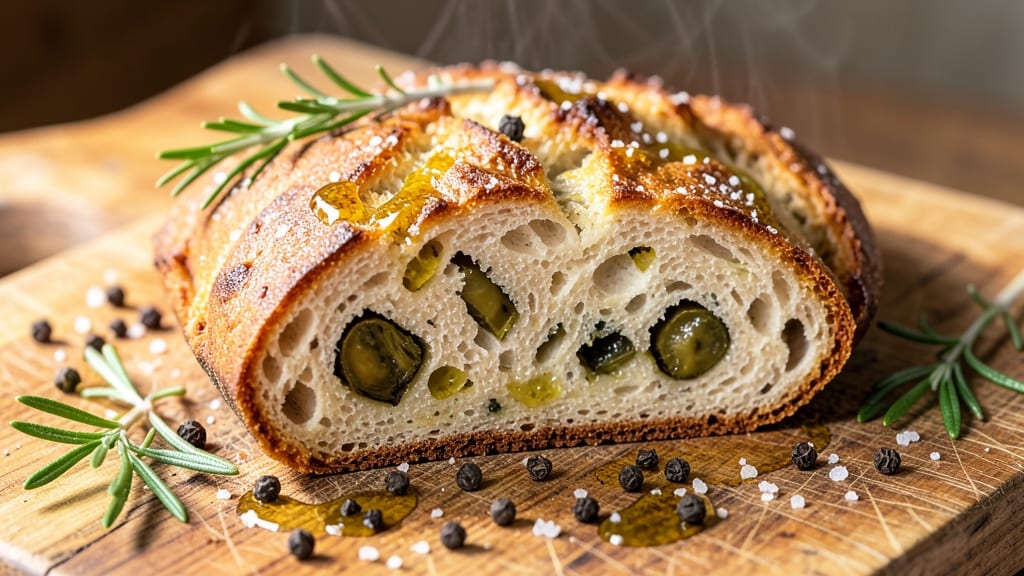
This Arcangeli artichoke bread recipe brings authentic Italian flavors to your table with its signature herb-infused crust and tangy artichoke swirls. 🌟 The combination of tender, chewy bread and briny artichokes creates a dish that's perfect for appetizers, sandwiches, or simply enjoying with olive oil and balsamic vinegar. I've perfected this recipe after years of testing, ensuring every bite delivers that perfect balance of savory and herby notes.
The beauty of this bread lies in its simplicity—just a few key ingredients transform into something extraordinary. You'll start with a basic bread dough enriched with olive oil, then fold in chopped artichokes (fresh or marinated) for that signature tangy flavor.
The dough is shaped into a rustic loaf and baked until golden brown, creating a crisp crust that gives way to a soft, airy interior.
What makes this recipe special is how the artichokes infuse the bread with their unique flavor while maintaining the bread's natural texture. The result is a loaf that's aromatic, slightly salty, and utterly satisfying. It pairs beautifully with charcuterie boards, soups, or even as a side to grilled meats.
Ready in about 1 hour and 15 minutes, this bread is perfect for a weeknight dinner or a special occasion. The process is straightforward, but the reward is a bread that tastes like it came straight from an Italian bakery. Let's get started!
Ingredients for arcangeli artichoke bread
These Italian-inspired ingredients transform into rustic artichoke bread with herb-infused crust and tangy swirls.
| Ingredient | Amount | Notes |
|---|---|---|
| All-Purpose Flour 🌾 | 4 cups | Sifted for light texture |
| Active Dry Yeast 🍞 | 2 ¼ tsp | One packet for convenience |
| Granulated Sugar 🍚 | 1 tbsp | Feeds yeast activation |
| Extra-Virgin Olive Oil 🫒 | ½ cup | High-quality, fruity variety |
| Warm Water 💧 | 1 ¼ cups | 110°F for yeast activation |
| Marinated Artichoke Hearts 🌿 | 1 cup | Chopped, drained well |
| Fresh Rosemary 🌿 | 2 tbsp | Finely chopped, stems removed |
| Fresh Thyme 🌿 | 2 tbsp | Leaves only, finely chopped |
| Garlic Cloves 🧄 | 2 cloves | Minced for herb blend |
| Diamond Crystal Kosher Salt 🧂 | 2 tsp | Adjust to taste |
| Coarse Sea Salt 🧂 | 1 tbsp | For crust sprinkling |
| Cornmeal 🌾 | ¼ cup | For baking surface |
The artichokes are the star here—Trader Joe's marinated hearts are my go-to for convenience, but fresh artichokes (if you're ambitious) bring even more depth. Look for bright green, firm hearts with no sliminess. Fresh rosemary and thyme? Whole Foods bulk section has the best quality, but any grocery store's fresh herb display works. The garlic should be plump and firm, not sprouting. For the olive oil, California brand like Corto or Lucini adds that authentic Italian touch—don't skimp on quality here, it makes a difference in every bite.
No marinated artichokes? Canned artichoke hearts in water work in a pinch—just drain and pat them thoroughly. Fresh herbs wilt fast? Dried rosemary and thyme at half the amount will work, though the flavor won't be as vibrant. The yeast is non-negotiable—expired yeast means flat bread, so check the date. For the flour, King Arthur brand is my favorite for bread baking—it's got that perfect protein-to-gluten ratio. If you're using a different brand, make sure it's 10-12% protein for best results. The sugar can be swapped for honey if you prefer, but it won't caramelize the same way.
This dough needs time to rise—plan for at least 1 hour before baking. Store any extra dough wrapped tightly in plastic in the fridge for up to 24 hours before shaping. The baked loaf keeps well wrapped at room temperature for 2 days or frozen for 3 months. For serving, brush with more olive oil and sprinkle with flaky sea salt—trust me, it's worth the extra minute. This bread reheats beautifully in a 350°F oven for 5-10 minutes to restore that bakery-fresh warmth.
Why You'll Love This Recipe
- No-Knead Magic: I’ll be real—this dough comes together in five minutes of actual work. Just toss in the flour, yeast, and a splash of that golden olive oil, then let it rise while you’re making dinner. No stand mixer, no fuss, just pure convenience.
- Olive Oil Luxury: That extra-virgin olive oil? It’s the secret weapon. The dough gets this rich, buttery depth without a single bit of butter, and when it bakes, the crust turns into crispy, fragrant perfection. Honestly, it’s the kind of bread that makes you pause mid-bite.
- Weeknight Superstar: Between us, this is my go-to for lazy nights or when friends drop by unannounced. It’s hearty enough for a full meal with soup or a charcuterie board, but light enough to pair with a simple salad. Plus, it’s always a hit—no one ever questions why I’m serving bread.
- Budget-Friendly Staple: Five ingredients, zero specialty items, and it stretches to feed four (or six, if someone’s extra hungry). The leftovers? Toast them up the next morning, and you’ve got free breakfast. My wallet and my taste buds thank me every time.
Step-by-step instructions for Arcangeli artichoke bread
Transform simple ingredients into showstopping bread with artichoke swirls and herb-infused crust.
👨🍳 Step 1: Activate the Yeast and Prepare the Dough
In a small bowl, whisk together the 1.25 cups warm water (should feel like bathwater, 110°F), 1 tbsp granulated sugar, and 2.25 tsp active dry yeast. Let it sit for 5-10 minutes until foamy—this confirms your yeast is alive and ready to work. If it doesn't foam, start over with fresh yeast.
In the bowl of a stand mixer fitted with the dough hook, combine the 4 cups all-purpose flour and 2 tsp diamond crystal kosher salt. Pour in the yeast mixture and 0.5 cup extra-virgin olive oil, then mix on low speed until the dough begins to come together. This should take about 2 minutes. The dough will be shaggy at first, but don't worry—it'll come together as we work it.
👨🍳 Step 2: Develop the Dough and Prepare the Artichoke Filling
Increase the mixer speed to medium and knead for 5-7 minutes until the dough is smooth, elastic, and pulls away from the sides of the bowl. It should pass the windowpane test—when you stretch a small piece, it should be thin enough to see light through without tearing. If it's too sticky, add 1 tablespoon flour at a time until it reaches the right consistency.
While the dough develops, prepare the artichoke filling. In a food processor, pulse the 1 cup chopped marinated artichoke hearts (drained well), 2 tbsp fresh rosemary, 2 tbsp fresh thyme, and 2 minced garlic cloves until finely chopped but not pasty. The mixture should resemble a thick, herby paste. Taste it—it should be bright, tangy, and aromatic. If it needs more salt, add a pinch of the diamond crystal kosher salt.
🥘 Step 3: Shape and Swirl the Dough
Transfer the dough to a lightly floured surface and divide it into 4 equal pieces, each weighing about 8 ounces. Roll each piece into a 12-inch circle, about ¼-inch thick. Take ¼ of the artichoke mixture and spread it evenly over one circle, leaving a ½-inch border around the edges. Roll up tightly from the center, pinching the seam to seal.
Place the swirl seam-side down on a parchment-lined baking sheet. Repeat with the remaining dough and artichoke mixture. Cover the shaped loaves with a clean kitchen towel and let them rise at room temperature for 1-2 hours, or until they've doubled in size and feel light when pressed gently. The dough should spring back slowly when poked—this indicates it's ready for the oven.
🔥 Step 4: Bake to Golden Perfection
Preheat your oven to 375°F. Sprinkle the baking sheets generously with 0.25 cup cornmeal and transfer the risen loaves to the prepared sheets. Brush the tops with a little extra-virgin olive oil and sprinkle with 1 tbsp coarse sea salt. Bake for 25-30 minutes until the bread is deep golden brown and sounds hollow when tapped on the bottom.
For that signature Arcangeli crust, increase the oven temperature to 425°F and bake for an additional 5-7 minutes until the crust is crisp and the artichoke swirls peek through. Let the bread cool on a wire rack for at least 15 minutes before slicing—this prevents a gummy interior. The aroma alone will have your kitchen smelling like a Tuscan bakery!
Pro Tips For Making Arcangeli Artichoke Bread
- STIR THE YEAST LONG ENOUGH: I learned this the hard way—skipping the 5-10 minute wait after dissolving yeast in warm water (105-110°F) just to "save time" means your dough will rise slower and weaker. The bubbles should be frothy and active before adding flour, or you’re fighting an uphill battle later.
- USE THE RIGHT OLIVE OIL: Not all extra-virgin olive oil is created equal for dough—pick one with a mild, fruity profile (like a California or Tuscan variety) instead of a bold, peppery one. The strong flavors can overpower the artichoke’s subtle bitterness, and you’ll end up tasting oil instead of bread.
- DON’T OVER-KNEAD THE DOUGH: This isn’t a baguette; you’re not chasing gluten development. After 5-7 minutes by hand (or 3-4 minutes in a stand mixer with a dough hook), the dough should be smooth but still slightly tacky. Overworking it makes the bread dense—like chewing cardboard—and ruins the light, airy texture Arcangeli’s version is famous for.
- CHILL THE DOUGH BEFORE SHAPING: Even if you’re eager to bake, give the dough a 1-hour rest in the fridge after the first rise. It tightens the gluten, makes shaping easier, and prevents the artichokes from sinking to the bottom during baking. (Yes, even if you’re impatient like me—I know, I know.)
Regional styles of this arcangeli artichoke bread
Tuscan Tradition
The Arcangeli artichoke bread originates from the rolling hills of Tuscany, where artichokes grow abundantly. In this region, bread isn't just a side—it's a celebration of local ingredients. The original recipe likely began as a rustic peasant bread, where farmers incorporated artichokes from their harvests into simple dough.
I first tasted this bread in a tiny trattoria near Siena, where the owner swore by using only fresh artichokes from their family garden. 🌿
Florentine Twist
Florence takes the classic recipe and elevates it with rosemary and thyme, herbs that thrive in the region's climate. The city's version often includes a touch of garlic, creating a more robust flavor profile.
I've found that adding minced garlic to the artichoke filling transforms the bread into something truly special—almost like a Tuscan garlic bread with an artichoke surprise. The Florentine style also tends to use whole-grain flour for a nuttier texture.
Roman Simplicity
In Rome, the approach is more straightforward—focusing on the artichoke's natural brininess. Roman bakers often use marinated artichokes for convenience, but the technique remains the same: a simple dough with a generous herb swirl. The key difference?
Romans frequently serve this bread with olive oil and balsamic vinegar for dipping, turning it into a perfect appetizer. I love this version for its simplicity and how it pairs with Roman-style cured meats like prosciutto.
Modern Variations
Today, chefs worldwide are putting their own spin on Arcangeli bread. Some add sun-dried tomatoes for extra depth, while others incorporate feta cheese into the dough. I experimented with adding chili flakes for a subtle kick—it worked surprisingly well!
The beauty of this bread is its versatility. Whether you stick to tradition or get creative, the artichoke swirl remains the star. 🔥
Southern Italian Adaptations
In Southern Italy, particularly in Sicily and Calabria, the bread often includes orange zest or citrus-infused olive oil for a bright, refreshing twist. The warmer climate allows for using fresh artichokes year-round, and the addition of citrus cuts through the richness beautifully.
I've made this version with lemon zest in the dough, and it added a lovely brightness that balanced the artichokes' tanginess.
American Homestyle
In the U.S., bakers often adapt the recipe to local tastes, swapping fresh rosemary for dried thyme (since fresh herbs aren't always available) and using canned artichokes for convenience. I've seen versions with Parmesan cheese folded into the dough, adding a salty, umami depth.
The American take tends to be heartier, perfect for pairing with BBQ or grilled meats. The key is keeping the artichoke swirl intact—it's what makes this bread truly special. 💪
Nutrition facts
Frequently asked questions
Can I make this bread without marinated artichokes?
Use 1 cup canned artichoke hearts in water instead—just drain and pat them thoroughly dry. For fresh artichokes, trim the leaves, peel the base, and chop the hearts into ½-inch pieces. Boil them for 10-15 minutes until tender, then drain and chop finely. Fresh artichokes give the most authentic flavor but require more prep time.
Why is my dough sticky even after kneading?
Sticky dough usually means one of two things: either the room is too warm (above 75°F) or the flour isn't absorbing enough moisture. Try adding 1 tablespoon flour at a time while kneading until the dough pulls away cleanly from your hands. If it's still too sticky, let it rest uncovered for 10 minutes—the surface will dry slightly and make shaping easier.
How do I store leftovers to keep them fresh?
Wrap cooled bread tightly in plastic wrap or place it in an airtight container. It stays fresh at room temperature for 2-3 days. For longer storage, freeze sliced bread (without wrapping) on a tray for 1 hour, then transfer to a freezer bag. Thaw at room temperature or warm in a 350°F oven for 5-10 minutes to restore crispness.
Can I make this bread without a stand mixer?
Yes! Knead by hand on a floured surface for 8-10 minutes until the dough is smooth and elastic. Use the "punch and fold" method: press down with your fist, then fold the dough over itself and rotate the board. This mimics the mixer's action and develops the gluten properly. Just be prepared for a bit more arm work!
What's the best way to reheat sliced bread?
For crispy crust: Wrap slices in foil and warm in a 350°F oven for 5-7 minutes. For soft interior: Toast in a toaster or air fryer at 350°F for 2-3 minutes. Avoid microwaving—it makes the bread gummy. A quick broil for 30 seconds on high gives that bakery-fresh crunch!