
Side Dishes
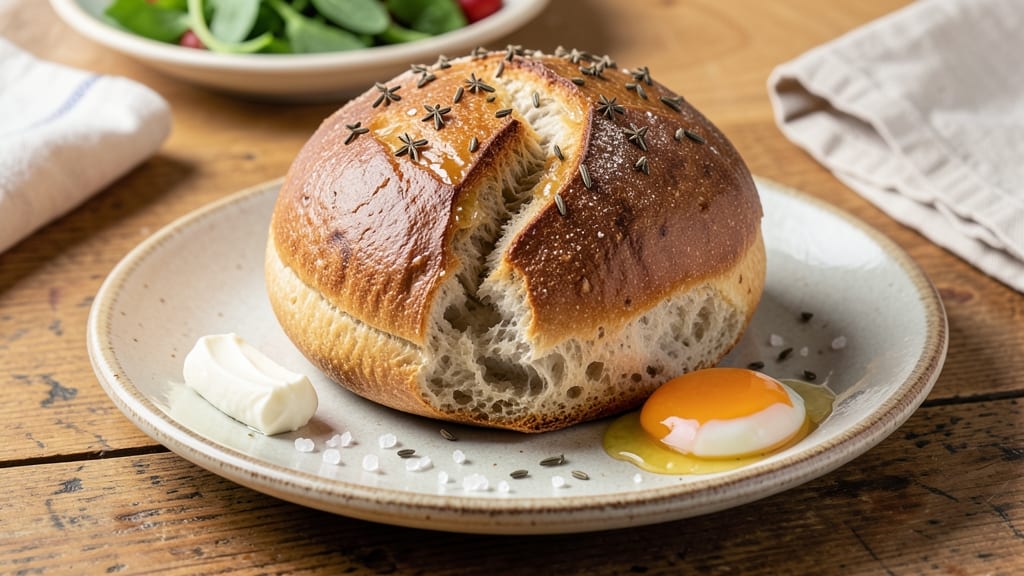
Argentinian bread recipe brings the soul of Buenos Aires to your kitchen with its crusty facturas and pillowy dough—a tradition that pairs perfectly with mate or dulce de leche. ✨ The secret lies in levadura (yeast) and grasa (fat), creating that signature tender crumb and golden crust that makes every bite irresistible.
This recipe captures the essence of Argentinian baking, where simple ingredients transform into something extraordinary.
The magic begins with a foolproof dough that requires just a few key components: flour, yeast, sugar, and a touch of anís (anise) for that authentic flavor. Unlike many breads, Argentinian facturas rely on a longer fermentation process, allowing the dough to develop depth and texture.
The shaping technique—rolling and folding—ensures a light, airy interior that melts in your mouth while maintaining a satisfying crunch on the outside.
Once baked, these facturas emerge with a perfectly golden crust and a soft, almost cloud-like center. They’re ideal for breakfast with coffee, paired with jam, or even enjoyed as a sweet treat on their own.
The versatility of this recipe means you can adapt it to make pan de campo (rustic bread) or chipa (a sweet, dense variation), proving that Argentinian bread is as adaptable as it is delicious.
Whether you're serving them warm from the oven or saving them for later, these facturas will transport you to the bustling streets of Buenos Aires. The aroma alone is enough to make anyone crave a slice—trust me, it’s worth every moment of preparation.
Let’s get started on creating this Argentinian classic.
Ingredients for argentinian bread
Argentinian facturas need just 11 ingredients for that legendary pillowy dough and crispy crust.
| Ingredient | Amount | Notes |
|---|---|---|
| All-Purpose Flour 🌾 | 4 cups | High-protein preferred for chewiness |
| Active Dry Yeast 🍞 | ¼ oz | Or 2.5 tsp, ensure fresh |
| Granulated Sugar 🍚 | ½ cup | Or 100g for precise measurement |
| Unsalted Butter 🧈 | ½ cup | Cold, cubed for dough enrichment |
| Anís Anise Seeds 🌿 | 1 tsp | Ground for authentic flavor |
| Large Eggs 🥚 | 1 whole | Room temperature for even mixing |
| Whole Milk 🥛 | ¼ cup | Warmed to 110°F for yeast activation |
| Diamond Crystal Kosher Salt 🧂 | 1 ½ tsp | Adjust to taste, not included in dough |
| Olive Oil 🫒 | 1 tbsp | For dough shaping and brushing |
| Cornmeal 🌽 | ½ cup | For dusting work surface |
| Coarse Sugar 🍚 | ¼ cup | For sprinkling before baking |
The flour is non-negotiable—high-protein all-purpose (like King Arthur) gives that signature chew. Argentinian markets carry specialty flours, but most US grocery stores stock good options. Anís seeds are the secret; Penzeys sells them online if your local store doesn't carry them. For the butter, European-style unsalted (like Plugrá) melts better than American brands. The yeast? Freshness matters—test it by sprinkling in warm water with sugar; if it foams in 5 minutes, it's good to go. I always double-check the expiration date because stale yeast kills that airy texture.
No anís seeds? Dried fennel seeds at half the amount work in a pinch, though it won't be exactly authentic. Swap the whole milk for warm water + 1 tsp sugar if you're avoiding dairy, but the texture won't be as tender. For the butter, vegan butter (like Miyoko's) works if you're making this plant-based, though the crust will be slightly less golden. The coarse sugar topping? Turbinado sugar gives the best caramelization—don't use powdered. And if you're short on time, the dough can rest in the fridge overnight for a slower rise.
Dough keeps for 3 days wrapped in plastic in the fridge, or 3 months frozen (portion into balls first). Freshly baked facturas? They reheat beautifully—wrap in foil and warm at 350°F for 5-10 minutes. The anise flavor actually deepens after baking, so leftovers taste even better the next day. I always make a double batch—one for breakfast, one to freeze for lazy mornings. The crust stays crisp for days if stored in an airtight container.
Why You'll Love This Recipe
- No-Knead Nightmare Solved: That anise seed magic? It’s the secret weapon—no fancy techniques, just mix, let rise, and bake. Honestly, I’ve made this while scrolling through my phone; the dough’s so forgiving.
- Warm Spice Hug: The butter and anise seeds give it this cozy, slightly sweet depth that tastes like a hug from your abuela. It’s not just bread—it’s the kind that makes you pause mid-bite.
- Pan-to-Party Stunner: Slice it fresh for breakfast, pack it for lunch, or serve it toasted at dinner. Between us, I’ve even used the leftovers to make croutons—because why waste good bread?
- Budget Bread Magic: Flour, yeast, butter—these are pantry staples you already own. Makes a whole loaf for under $3, and it keeps for days without getting stale. My wallet and I are forever grateful.
Step-by-step instructions for Argentinian bread recipe
Here's how to craft these iconic facturas with that signature crisp crust and airy interior.
👨🍳 Step 1: Activate the Yeast and Mix the Dough
In a small bowl, whisk together the 0.25 cup warm whole milk (about 110°F) with the 0.5 cup granulated sugar and 0.25 oz active dry yeast. Let it sit for 5-10 minutes until foamy—this tells you your yeast is alive and ready to work. If it doesn't bubble, your yeast might be dead, and you'll need to start over.
In a large bowl, combine the 4 cups all-purpose flour and 1.5 tsp diamond crystal kosher salt. Make a well in the center and pour in the yeast mixture, 1 whole large egg, and 0.5 cup cold unsalted butter cut into small cubes. The butter should stay cold to create those signature flaky layers later. Use a wooden spoon to mix until a shaggy dough forms.
👨🍳 Step 2: Knead Until Silky Smooth
Turn the dough onto a lightly floured surface and knead for 8-10 minutes until it becomes smooth and elastic. I like to use the "windowpane test" here—stretch a small piece of dough thin enough to see light through it. If it tears, knead for another minute or two. This develops gluten, which gives the bread its signature chewiness.
While kneading, sprinkle in the 1 tsp ground anís anise seeds and work them into the dough. Wrap the dough in plastic wrap and let it rise in a warm place for 1-2 hours, or until it doubles in size. The kitchen should smell like warm anise and yeast—this is where the magic happens.
🥘 Step 3: Shape and Proof the Dough
Punch down the risen dough and divide it into 4 equal portions (about 8 oz each). Roll each portion into a 12-inch circle about ½-inch thick, keeping the edges slightly thicker than the center. This creates that classic factura shape with a crispy crust and soft middle.
Place each circle on a parchment-lined baking sheet, brush lightly with 1 tbsp olive oil, and sprinkle generously with 0.25 cup coarse sugar. Cover loosely with a clean kitchen towel and let them proof for another 30-45 minutes until puffy. The sugar will caramelize beautifully during baking, giving that signature crunch.
🔥 Step 4: Bake to Golden Perfection
Preheat your oven to 425°F with a baking stone or inverted baking sheet inside—this creates steam for that perfect crust. Bake the facturas for 15-18 minutes until the edges are deep golden brown and the centers are just set. You'll know they're done when they sound hollow when tapped on the bottom.
While they bake, prepare your serving platter by dusting it with 0.5 cup cornmeal. This gives that classic Argentinian touch and prevents sticking. Serve warm with your favorite dulce de leche or a cup of mate for the full experience.
Pro Tips For Making Argentinian Bread
- Bloom the Yeast First: Skip mixing yeast straight into dry flour—it’s a rookie move. Instead, dissolve it in warm water (around 110°F) with a pinch of sugar first, then let it sit for 5-10 minutes until frothy. This guarantees your dough rises properly, especially in cooler kitchens where yeast can get lazy.
- Toast the Anís Seeds: Whole anís seeds taste bland if added raw. Dry-toast them in a pan over medium heat for 30 seconds until fragrant, then grind lightly. This unlocks their flavor and prevents them from sitting like tiny rocks in your bread.
- Don’t Over-Knead: After 8-10 minutes of kneading by hand (or 5-6 minutes in a stand mixer), the dough should spring back when poked but still feel slightly tacky. Overwork it, and you’ll end up with a dense, chewy loaf instead of the light, airy texture this bread deserves.
- Use Cold Butter: Cut that unsalted butter into cubes and refrigerate them until firm before mixing into the dough. Cold butter creates pockets of flavor and flakiness—warm butter just melts into the flour, leaving you with a bland, dense loaf. Trust me, your future self will notice.
Perfect pairings for argentinian bread
Mate Pairing
Argentinian bread, especially facturas, is traditionally enjoyed with mate, the iconic herbal tea. The anise notes in the dough complement the earthy, slightly bitter flavors of yerba mate perfectly. Serve warm facturas alongside a gourd filled with yerba mate and a bombilla (metal straw) for the full experience.
The ritual of sharing mate with bread creates a sense of community—just like in Buenos Aires’ cafés. 🌿
Dulce de Leche Spread
No Argentinian bread is complete without dulce de leche, the caramel-like spread that turns these facturas into a decadent treat. Spread a generous layer of high-quality dulce de leche (I recommend La Serenísima or Cachafaz) on warm bread for the ultimate pairing.
The creamy, sweet contrast to the crusty exterior is pure magic. For extra indulgence, sprinkle with crushed graham crackers or a pinch of cinnamon. 💛
Coffee Break Combo
Facturas make an excellent breakfast or afternoon snack with Argentinian coffee, known as café de olla or cortado. The rich, slightly bitter coffee cuts through the sweetness of the bread, balancing flavors beautifully.
For a modern twist, try pairing with espresso and a dollop of whipped cream. The contrast of temperatures and textures makes every bite feel special. ☕
Cheese and Jam Variations
For a savory twist, serve facturas with queso crema (like La Serenísima) and sliced jamón crudo. The creamy cheese and salty ham add depth to the sweet bread.
Alternatively, pair with strawberry or apricot jam for a classic Argentinian combo. The acidity of the jam brightens the dough’s richness, creating a harmonious bite. 🍓
Sweet Toppings Bar
Set up a toppings station with dulce de leche, nutella, whipped cream, and chopped nuts (like almonds or pecans). Let guests customize their facturas for a fun, interactive experience. This works perfectly for gatherings or family breakfasts. The versatility of the dough makes it endlessly adaptable. ✨
Nutrition facts
Frequently asked questions
What makes Argentinian bread different from other bread recipes?
Argentinian bread, especially facturas, stands out because of its anís (anise) flavor and pillowy yet crispy texture. The dough uses a unique combination of cold butter and long fermentation (1-2 hours) to create that signature airy crumb. Unlike French baguettes or Italian ciabatta, these breads are often sweeter with a golden crust thanks to the coarse sugar topping.
Can I substitute anís seeds if I can't find them?
Yes! Use ½ tsp ground fennel seeds as a substitute—they provide a similar licorice-like flavor. If you're avoiding seeds entirely, try ½ tsp anise extract (food-grade only) mixed with the warm milk. The flavor won't be identical, but it'll still taste delicious. For a neutral option, skip it—the anise is more of a cultural touch than a necessity.
Why did my facturas turn out dense instead of light and airy? Dense facturas usually happen from over-kneading (break down gluten) or under-proofing (dough didn't rise enough).
How do I store leftover Argentinian bread?
Wrap cooled facturas in plastic wrap or store in an airtight container to keep them fresh for 3-4 days at room temperature. For longer storage, freeze portions for up to 3 months. To reheat, warm in a 350°F oven for 5-10 minutes or microwave for 10-15 seconds—the crust stays crispy when reheated properly! The anise flavor actually deepens overnight.
What's the best way to shape Argentinian bread for different variations?
For classic facturas, roll into 12-inch circles with thicker edges. For pan de campo (rustic bread), divide into small ovals and bake on a baking sheet. For chipa (dense sweet bread), shape into thick rectangles and bake at 375°F for 20-25 minutes. The key is keeping the dough ½-inch thick for even baking. Experiment with shapes—Argentinian bread is versatile!