
Desserts
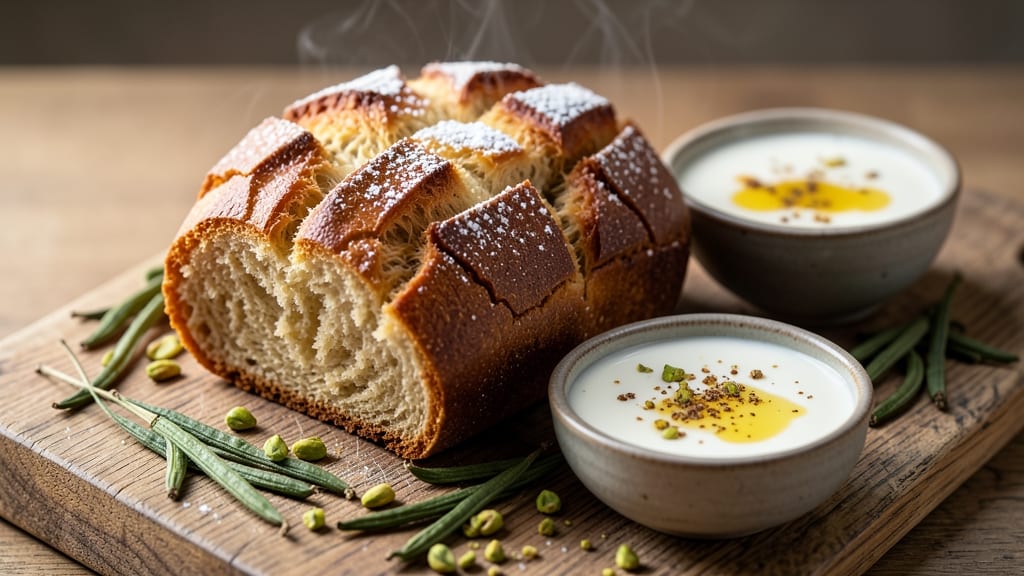
This Armenian sweet bread gata recipe brings layers of tradition and cardamom-spiced lightness to your kitchen. 🌟 The delicate, flaky pastry with its signature waffle-like texture and fragrant aroma has been a cherished dessert in Armenian households for generations—each bite transports you to the heart of Yerevan's bakeries.
What makes gata truly special is its unique dough technique, where layers of buttery, cardamom-infused pastry create that signature crispy-yet-tender texture.
Unlike traditional puff pastry, gata's dough is rolled and folded in a way that creates those distinctive diamond-shaped patterns when baked. The cardamom isn't just an ingredient—it's the soul of this dessert, giving it that warm, aromatic depth that pairs beautifully with its buttery richness.
This recipe delivers authentic results using simple ingredients and a method that's approachable yet impressive enough for special occasions.
By the time you pull this golden, crisp-edged gata from the oven, you'll have a dessert that's both visually stunning and irresistibly delicious. The contrast between the crispy exterior and tender interior creates a texture that's impossible to resist.
Whether you serve it warm with a dusting of powdered sugar or at room temperature with a cup of Armenian coffee, gata becomes the centerpiece of any dessert table.
Traditional gata is often enjoyed during celebrations like Easter and weddings, but its universal appeal makes it perfect for any gathering. The recipe includes options for adding walnut or cinnamon fillings, allowing you to customize it to your taste.
Let's create this Armenian classic that's sure to become a family favorite.
Ingredients for armenian sweet bread gata
Twelve simple ingredients transform into layers of buttery, cardamom-kissed gata heaven.
| Ingredient | Amount | Notes |
|---|---|---|
| All-Purpose Flour 🌾 | 4 cups | High-protein preferred for flakiness |
| Unsalted Butter 🧈 | 1 ½ cups | Cold, cubed for layering |
| Granulated Sugar 🍚 | ½ cup | Superfine for smoother texture |
| Ground Cardamom 🌿 | 2 tbsp | Freshly ground for authentic aroma |
| Large Eggs 🥚 | 1 whole | Room temperature for even mixing |
| Milk 🥛 | ¼ cup | Whole milk for richness |
| Vanilla Extract 🌸 | 1 tsp | Pure vanilla for depth |
| Salt 🧂 | ½ tsp | Fine sea salt preferred |
| Powdered Sugar 🍚 | 1 cup | For dusting finished gata |
| Walnuts 🌰 | 1 cup | Chopped for optional filling |
| Ground Cinnamon 🌿 | 1 tbsp | Optional for cinnamon filling |
| Lemon Zest 🍋 | 1 tbsp | Brightens the dough |
The butter is non-negotiable here—European-style unsalted butter with high fat content (82%+) gives the signature flakiness. Plugrá or Cultivé brands are my go-to for this recipe, but any good-quality butter works if it's cold when you start. Cardamom is the soul of gata, so don't skimp—look for whole pods at Middle Eastern markets and grind them fresh if possible. The flour should be high-protein (12-13% protein) for that tender yet crispy texture. I always grab mine from King Arthur or Bob's Red Mill—their consistency is reliable.
No cardamom pods? Ground cardamom from a spice shop is fine, but avoid the dusty stuff from the back of your pantry. For the walnut filling, toasted walnuts work best—toss them with melted butter and cinnamon before mixing into the dough. Short on butter? Coconut oil at half the amount keeps it vegan, but traditional gata demands butter. The lemon zest can be substituted with orange zest if you prefer a sweeter note. For a richer dough, add 1 tbsp sour cream to the wet ingredients—it adds tenderness without altering the texture.
Store the dough wrapped in plastic between parchment paper for up to 2 days in the fridge. For longer storage, freeze the shaped gata (before baking) for 3 months—thaw at room temperature before baking. The finished gata stays fresh for 3 days at room temperature in an airtight container, but it's best enjoyed warm. I always bake a batch on Sunday and serve it throughout the week—it reheats beautifully in a 350°F oven for 5-10 minutes to restore that crispy edge.
Why You'll Love This Recipe
- No-Knead Magic: I swear by this dough—just mix, rest, and roll. The butter and sugar work their way into the flour while you sip coffee, no energy spent fighting a stubborn ball of dough.
- Cardamom Kiss: That warm, floral cardamom? It’s the star. A pinch transforms simple sugar and butter into something aromatic and nostalgic—like a bakery scent in every bite.
- Breakfast or Dessert: Slice it toasted with jam for morning, or drizzle with honey for an after-dinner treat. Same dough, two moods—no extra effort, just pure flexibility.
- Budget-Friendly Luxury: Flour, butter, sugar, eggs—these are pantry staples. Yet it feels like a special-occasion loaf, and leftovers? They last days, reheated in seconds until golden again.
Step-by-step instructions for Armenian sweet bread gata
Here's how to create those signature flaky layers—crisp, tender, and infused with cardamom's warm embrace.
👨🍳 Step 1: Create the Cardamom Butter Base
In a medium bowl, combine the 1.5 cups unsalted butter (cold and cubed) with the 0.5 cup granulated sugar, 2 tbsp ground cardamom, 1 tsp vanilla extract, and 1 tbsp lemon zest. Use a pastry cutter or your fingers to work the mixture until the butter is broken into pea-sized pieces and thoroughly coated with the spiced sugar.
This step is crucial—I press down gently on the butter pieces to ensure even distribution of the cardamom throughout. The lemon zest and vanilla will brighten the rich butter flavor, while the cardamom provides that signature warmth. Save this mixture in the refrigerator until ready to use; the cold temperature helps maintain the butter's structure for perfect layering later.
👨🍳 Step 2: Make the Dough and Layer with Butter
In a large bowl, whisk together the 4 cups all-purpose flour, 0.5 tsp salt, and 1 tbsp ground cinnamon (if using). Make a well in the center and add the 1 whole large egg and 0.25 cup milk. Mix gently with a wooden spoon until just combined—you want to avoid developing gluten, so don't overwork the dough.
Turn the dough onto a lightly floured surface and divide it into three equal pieces. Roll each piece into a rectangle about 10x12 inches. Sprinkle one-third of the cardamom butter mixture evenly over one rectangle, then fold it like a letter. Repeat with the remaining dough and butter. Wrap each folded piece in plastic wrap and refrigerate for 30 minutes—this chilling step is essential for creating those signature flaky layers.
🥘 Step 3: Roll and Layer the Dough
Remove one piece of chilled dough from the refrigerator and roll it out on a lightly floured surface into a 12x18-inch rectangle. The dough should be about ⅛-inch thick. Sprinkle evenly with about ⅓ of the 1 cup chopped walnuts (if using), then fold it like a letter again. Repeat with the remaining two pieces of dough. Wrap each folded piece in plastic wrap and refrigerate for another 20 minutes.
After chilling, roll out all three pieces together into a single 12x18-inch rectangle, about ⅛-inch thick. Fold the dough in thirds like a letter, then rotate it 90 degrees and fold it in thirds again. This creates a compact block that's ready for baking. Wrap it tightly in plastic wrap and refrigerate for at least 1 hour—this final rest ensures the layers will separate beautifully in the oven.
🔥 Step 4: Bake to Golden Perfection
Preheat your oven to 375°F and position a rack in the lower third. Remove the dough from the refrigerator and unwrap it. Place the dough on a parchment-lined baking sheet, seam-side down. Using a sharp knife, score the top into 12 equal squares (about 3x3 inches each). This creates those classic gata squares while allowing steam to escape for even baking.
Bake for 35-40 minutes until the gata is deep golden brown with crisp edges. The center should still feel slightly soft to the touch—it will firm up as it cools. Remove from the oven and let it cool on the baking sheet for 10 minutes before transferring to a wire rack. The residual heat will complete the baking process and ensure those layers stay crisp.
🍽️ Step 5: Finish with Powdered Sugar
Once completely cool, dust the top of the gata generously with the 1 cup powdered sugar using a fine-mesh sieve. The sugar will melt slightly from the heat of the bread, creating a delicate, sweet glaze that enhances the cardamom flavor. Serve warm or at room temperature—each square should have those signature flaky, melt-in-your-mouth layers with a perfect balance of sweetness and spice.
Real talk: the first time I made gata, I rushed the chilling steps and ended up with dense, cakey squares instead of the light, flaky layers I wanted. Don't skip the refrigeration—it's what creates that magical texture. Store any leftovers in an airtight container for up to 3 days, though they rarely last that long in my house!
Pro Tips For Making Armenian Sweet Bread Gata
- Chill the Dough Properly: After mixing, let the dough rest for at least 2 hours in the fridge—this isn’t optional. I learned the hard way that skipping this makes the butter too soft, and your gata will spread like a sad pancake instead of holding its shape. Wrap it tightly in plastic and resist the urge to rush.
- Use Cold Butter Cubes: Cut that unsalted butter into ½-inch cubes and keep them ice-cold when creaming with sugar. If you use warm butter, the dough will turn greasy and dense, and your layers won’t flake like they should. Pull the butter straight from the fridge—yes, even if you’re impatient like me.
- Don’t Overmix the Batter: Once the flour is added, stop mixing the second the dough clumps together. Overworking it develops gluten, and your gata will turn out tough instead of tender. Use a spatula to gently fold in the last bit of flour—this keeps the texture light and crumbly.
- Bake in Two Batches: Gata is delicate—overcrowding the pan steams the bottom layers instead of browning them. Bake half first, then rotate the pan halfway through for even color. The first batch will thank you with a golden crust; the second won’t turn into a sad, pale lump.
Wine and beer pairings for this recipe
Armenian Coffee Pairing
No gata experience is complete without a cup of traditional Armenian coffee—its bold, slightly bitter profile cuts through the sweetness beautifully.
Brew 2 tablespoons of finely ground Armenian coffee (like Jamaica Blue Mountain) with ½ cup cold water in a cezve (small copper pot), then heat gently until it reaches a thick foam.
The cardamom in gata and coffee's earthy notes create a harmonious balance that feels like coming home. 💫
Dry Red Wine Synergy
A medium-bodied Armenian red wine like Ararat Vardavar or Italian Chianti complements gata's cardamom-spiced layers. The wine's acidity and tannins cleanse your palate between bites, while its fruitiness echoes the dessert's sweetness. For a lighter option, Grenache from France offers similar harmony without overpowering the delicate texture.
Spiced Tea Harmony
Armenian black tea with cardamom (like Azat Tea) mirrors the dessert's signature spice. Steep 1 tea bag with 1 crushed cardamom pod in 1 cup boiling water for 3 minutes.
The tea's warmth and spice create a comforting contrast to gata's crispy exterior. Serve slightly sweetened with 1 tsp honey for extra depth.
Beer Contrast Option
For beer lovers, a Belgian witbier like Hoegaarden offers surprising harmony. The beer's citrus notes and subtle spice from coriander complement the cardamom, while its effervescence refreshes your palate. Avoid heavy stouts—they'll overpower gata's delicate layers. Serve the beer chilled to maintain its crispness against the warm dessert. 🍺
Creamy Liqueur Finish
End your gata experience with a shot of Armenian brandy or Karak chocolate liqueur. The brandy's caramel notes enhance the gata's buttery richness, while Karak's chocolate deepens the dessert's sweetness. Pour 1 ounce into small glasses and serve at room temperature for the best flavor impact.
Nutrition facts
Frequently asked questions
What makes Armenian gata different from other sweet breads?
Gata stands out for its signature waffle-like texture and cardamom-forward flavor, created through its unique layering technique. Unlike puff pastry, the dough is rolled and folded in a way that produces those distinctive diamond-shaped patterns when baked. The cardamom isn't just an ingredient—it's the soul of this dessert, giving it that warm, aromatic depth that sets it apart from other sweet breads.
Can I make gata without cardamom?
While cardamom is traditional, you can substitute with 1 tsp cinnamon + ½ tsp vanilla extract for a similar warmth. However, the authentic flavor comes from cardamom's unique floral-citrus notes. If you can't find it, look for whole pods at Middle Eastern markets—they're fresher than pre-ground spice. For a vegan version, replace butter with coconut oil, though traditional gata demands butter for its signature flakiness.
Why did my gata turn out dense instead of flaky?
Most likely, you skipped the chilling steps or overworked the dough. The 30-minute and 1-hour refrigerator rests are crucial—they allow the butter to harden and create those signature layers. Also, avoid handling the dough too much, as developing gluten makes it tough. If your oven runs hot, try baking at 350°F instead of 375°F for even cooking.
How do I store leftover gata?
Keep gata in an airtight container at room temperature for up to 3 days, though it's best enjoyed fresh. For longer storage, freeze the shaped (unbaked) dough for 3 months—thaw at room temperature before baking. To revive stale gata, warm it in a 350°F oven for 5-10 minutes to restore that crispy edge. The powdered sugar topping should be added after reheating for the best texture.
What's the best way to serve gata?
Serve warm with a dusting of powdered sugar for that classic presentation. Pair it with Armenian coffee (its bold bitterness balances the sweetness) or a glass of dry red wine like Chianti. For a festive touch, arrange the squares on a platter with fresh mint leaves. Gata is traditionally enjoyed during Easter and weddings, but its universal appeal makes it perfect for any celebration.