
Side Dishes
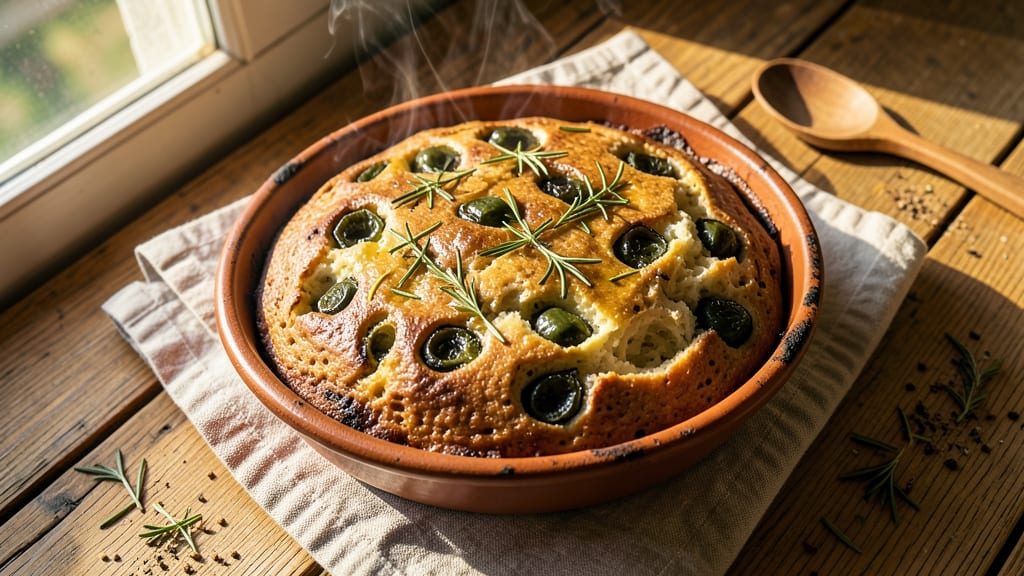
This Artichoke Bread Pescadero recipe transforms simple dough into a fragrant, golden loaf studded with tender artichoke hearts and aromatic herbs—perfect for pairing with seafood or enjoying on its own.
Inspired by the coastal charm of Pescadero, where fresh ingredients meet rustic baking traditions, this recipe delivers a crust so crisp it shatters with every bite, while the artichoke filling adds a briny, earthy depth that lingers.
The secret lies in a slow rise and precise baking technique that ensures the bread stays moist without becoming dense, balancing texture and flavor in every slice.
The dough begins with a classic bread base—flour, yeast, and olive oil—but the real magic happens when you fold in drained artichoke hearts and finely chopped herbs like rosemary and thyme.
A touch of garlic and anchovy powder (optional but recommended) elevates the flavor profile, tying the bread to its coastal roots. Unlike store-bought versions, this recipe builds flavor through time—letting the dough rest overnight develops a complexity that shortcuts can’t replicate, resulting in a loaf that’s both rustic and refined.
By the time it emerges from the oven, you’ll have a herb-infused crust that’s golden and crackly, encasing a tender interior speckled with artichoke hearts that stay tender yet slightly caramelized at the edges.
The aroma alone—warm, herby, with a hint of garlic—will fill your kitchen, making it impossible to resist slicing into the still-warm loaf. This bread isn’t just a side; it’s a centerpiece, designed to complement grilled fish, salads, or even a simple cheese plate.
For those who love baking but crave restaurant-quality results without the fuss, this recipe delivers foolproof simplicity—no special equipment, just patience and a few key techniques. Whether you’re baking for a weekend brunch or prepping for a seafood feast, the artichoke bread will steal the show. Ready to bake?
Ingredients for artichoke bread pescadero
Classic bread ingredients meet coastal flavors in this artichoke-infused loaf.
| Ingredient | Amount | Notes |
|---|---|---|
| All-Purpose Flour 🌾 | 4 cups | Spooned and leveled for accuracy |
| Active Dry Yeast 🍞 | ¼ oz | Or 2.5g, dissolved in warm water |
| Extra-Virgin Olive Oil 🫒 | ½ cup | High-quality, fruity variety |
| Marinated Artichoke Hearts 🌿 | 1 cup | Drained and chopped, jarred or fresh |
| Fresh Rosemary 🌿 | ¼ cup | Finely chopped, stems removed |
| Fresh Thyme 🌿 | 1 tbsp | Leaves only, finely chopped |
| Garlic Cloves 🧄 | 3 cloves | Minced, for depth of flavor |
| Anchovy Powder 🐟 | ½ tsp | Optional but recommended for umami |
| Sea Salt 🧂 | 1 ½ tsp | Diamond Crystal preferred |
| Granulated Sugar 🍚 | 1 tbsp | Feeds yeast for rise |
| Warm Water 💧 | 1 cup | 110°F, not hot |
| Cornmeal 🌽 | ¼ cup | For dusting baking sheet |
The artichoke hearts are the star here—look for jarred hearts packed in water or olive oil at the grocery store, not the marinated kind with heavy dressings. Trader Joe's and Whole Foods carry excellent options, but any brand works if it's labeled 'water-packed.' Fresh artichokes are ideal but require more effort to trim and quarter. Rosemary and thyme should be vibrant and fragrant—buy them fresh from the market if possible, or use dried at half the amount. The anchovy powder adds that signature coastal umami, but it's optional if you're avoiding fish entirely. For the flour, King Arthur or Gold Medal brands are reliable for consistent baking.
No anchovy powder? Substitute with 1/4 tsp fish sauce or an extra 1/2 tsp garlic powder for a similar depth. Fresh herbs wilt fast, so chop them just before mixing into the dough. The yeast must be active—if your water doesn't foam after 5 minutes, start over with fresh yeast. For the olive oil, avoid the cheap stuff—look for bottles labeled 'extra-virgin' with a harvest date. The sugar can be swapped for honey (reduce by 1/4 tsp) if you prefer, but granulated is foolproof. If you're short on time, use instant yeast and skip the warm-water activation step—just mix it directly into the dry ingredients.
This dough needs time—plan for at least 8 hours of rising, preferably overnight in the fridge. Store any unused dough in an airtight container with a damp towel on top for up to 3 days. The baked loaf keeps well at room temperature for 2 days wrapped in a clean kitchen towel, or 1 week frozen in slices. For reheating, wrap slices in foil and warm at 350°F for 5 minutes—they'll regain that crisp crust. Leftovers make fantastic croutons or breadcrumbs for future recipes.
Why You'll Love This Recipe
- No-Knead Magic: I swear by this dough—just mix, let it rise, and forget it. The yeast does all the work while I’m chopping veggies or waiting for pasta water to boil.
- Umami Bomb: Those jarred artichoke hearts? They’re packed with briny, tangy flavor that cuts through the richness of olive oil and rosemary. Every bite tastes like a Mediterranean vacation.
- Weeknight Wonder: Toss a few slices in the toaster for breakfast, pack them in lunches, or serve with dinner—this bread adapts to everything. Honestly, it’s my go-to for lazy nights when I don’t want to think.
- Budget-Friendly Luxury: Fresh rosemary and artichokes sound fancy, but they stretch this dough into a whole loaf. Between us, I’ve made three batches with one jar of artichokes—leftovers freeze like a dream.
Step-by-step instructions for artichoke bread Pescadero recipe
This method delivers a rustic crust with tender artichoke hearts baked into every bite. Precision matters—follow these steps exactly.
Activate the Yeast and Prepare the Dough
In a small bowl, combine the 1 cup warm water (around 110°F) with the 1 tablespoon granulated sugar and 0.25 oz active dry yeast. Let it sit for 5-10 minutes until the mixture becomes frothy and bubbly—this confirms the yeast is active. If it doesn't bubble, your yeast may be dead, and you'll need to start over.
In a large bowl, whisk together the 4 cups all-purpose flour and 1.5 teaspoons sea salt. Make a well in the center and pour in the yeast mixture along with the 0.5 cup extra-virgin olive oil. Using a wooden spoon or your hands, gradually incorporate the flour until a shaggy dough forms. The dough will be sticky, but that's normal—this recipe relies on a wetter texture to create a tender crumb.
Incorporate Herbs, Garlic, and Artichokes
Add the 0.25 cup finely chopped fresh rosemary, 1 tablespoon chopped fresh thyme, 3 minced garlic cloves, and 0.5 teaspoon anchovy powder to the dough. Mix these into the dough until evenly distributed. The anchovy powder adds a subtle umami depth that complements the artichokes beautifully.
Next, fold in the 1 cup chopped marinated artichoke hearts, pressing them gently into the dough. Be careful not to overmix—just until the artichokes are fully incorporated. The dough should now be cohesive but still slightly tacky. Cover the bowl with a damp towel and let it rest at room temperature for 30 minutes. This initial rest helps the gluten relax, making the dough easier to handle later.
Knead and First Rise
Lightly flour a clean surface and turn out the dough. Knead it for 8-10 minutes by folding and pressing until smooth and elastic. The dough should spring back slowly when pressed—this indicates proper gluten development. If it feels too sticky, wet your hands slightly to prevent sticking, but avoid adding extra flour.
Place the dough in a lightly oiled bowl, cover it with the damp towel, and let it rise in a warm place for 1-2 hours, or until it has nearly doubled in size. You'll know it's ready when the dough feels light and airy, with visible bubbles forming on the surface. Poke it gently—if it springs back slowly, it's ready for shaping.
Shape and Second Rise
Punch down the risen dough to release the air, then divide it into 4 equal portions (about 1 pound each). Shape each portion into a round loaf by pulling the edges toward the center and sealing the seam. Place the loaves on a baking sheet dusted with 0.25 cup cornmeal—this prevents sticking and adds a subtle crunch to the crust.
Cover the loaves with the damp towel again and let them rise for another 30-45 minutes until they've puffed up noticeably. The tops should look slightly domed, and the dough should feel firm but still yield slightly when pressed. Preheat your oven to 375°F during this final rise to ensure it's ready when the bread is.
Bake to Golden Perfection
Bake the loaves for 25-30 minutes until they're deeply golden brown and sound hollow when tapped on the bottom. The internal temperature should reach 190-200°F. For extra crispiness, brush the tops with a little more olive oil after 15 minutes of baking.
Remove the bread from the oven and let it cool on a wire rack for at least 15 minutes before slicing. The artichoke hearts should be tender with a slight bite, and the crust should be crisp with a subtle herby aroma. Serve warm with olive oil for dipping or alongside your favorite Mediterranean dishes.
Pro Tips For Making Artichoke Bread Pescadero
- Drain and Chop Artichokes Dry: Those jarred artichoke hearts come packed in brine or oil—pat them thoroughly with a paper towel before chopping. Wet chunks in the dough will make your bread dense and gummy. I learned this the hard way when my first batch turned out like a brick.
- Proof Yeast in Warm Olive Oil: Skip the water—activate your yeast in ¼ cup of warm (not hot) extra-virgin olive oil instead. The fat helps the yeast bloom faster and adds richness to the dough. My grandmother swore by this, and the bread’s crust is noticeably better when I do it.
- Don’t Overwork the Dough: Once you fold in the artichokes and rosmary, handle the dough just enough to combine—overmixing develops gluten and turns your bread tough. Two or three gentle stretches and folds are all you need. I was skeptical until I tried it.
- Score Before Baking: Use a sharp knife or lame to slash the loaf just before baking—this isn’t just for looks. The cuts help the bread expand evenly and crisp up faster. Skip this, and you’ll end up with a lopsided, sad-looking loaf. (Yes, even if you’re impatient like me.)
Make-ahead tips for this recipe
Overnight Prep
Save time by preparing the dough the night before—this is where the magic happens! After mixing all ingredients, cover the bowl tightly with plastic wrap and refrigerate for 8-12 hours. The cold slows fermentation, intensifying flavors and creating a more complex, aromatic loaf.
I like to set a timer so I don’t forget to take it out in the morning. The dough will be firmer when cold, making shaping easier. 💫
Freezer-Friendly Dough
Make ahead for busy weeks by freezing shaped loaves. After the first rise, shape your dough into loaves, wrap each tightly in plastic, then place in a freezer bag. They’ll keep for up to 3 months.
Thaw overnight in the fridge, then let them rise at room temperature for 1 hour before baking as directed. Pro tip: Label bags with the date to track freshness.
Baking in Bulk
Double the recipe and bake two loaves at once for gatherings. Use two baking sheets and rotate them halfway through baking to ensure even browning. For larger batches, I recommend using a stand mixer with the dough hook to save energy—knead on medium speed for 5 minutes instead of hand-kneading.
Store completed loaves in an airtight container with a paper towel to maintain crispness.
Reviving Stale Bread
No need to toss slightly stale artichoke bread! Wrap slices in foil and reheat at 350°F for 5-7 minutes until warm and crisp again. For extra moisture, brush with a little olive oil before reheating.
I also love turning stale pieces into artichoke bread croutons—toss with olive oil, garlic, and herbs, then bake at 375°F for 8-10 minutes until golden and crispy. Perfect for soups or salads!
Storage Hacks
Keep baked loaves fresh longer by storing them in a bread box or paper bag at room temperature for 2-3 days. For longer storage, slice the loaf and freeze individual portions on a tray before transferring to a bag.
Reheat slices directly from frozen by wrapping in foil and warming at 350°F for 8-10 minutes. This preserves that perfect crust texture. 🌟
Make-Ahead Toppings
Prep artichoke hearts and herbs ahead of time to streamline baking day. Chop and drain artichokes up to 3 days in advance and store in an airtight container in the fridge. Finely chop rosemary and thyme, then store in small jars or wrap tightly in plastic wrap.
Keep garlic and anchovy powder in your pantry for instant flavor. This way, mixing the dough becomes a quick, stress-free step on busy mornings.
Nutrition facts
Frequently asked questions
Can I substitute jarred artichoke hearts with fresh ones?
Yes, but you'll need to prepare them first! Fresh artichokes require trimming the tough outer leaves, cutting off the top and bottom, and removing the choke before quartering. Jarred hearts are already cleaned and ready to use, saving time. If using fresh, chop them into 1/2-inch pieces to match the texture of jarred hearts.
Why does my dough feel too sticky to handle?
The dough is intentionally wet for a tender crumb—don't add extra flour! Wet your hands slightly when shaping and work quickly. If it's unbearably sticky, dust your work surface with semolina flour instead of regular flour for better grip. The texture should firm up during the second rise.
How can I make this bread more seafood-friendly?
Enhance the coastal flavors by adding 1/4 teaspoon smoked paprika or 1/2 teaspoon Old Bay seasoning to the dough. For extra umami, fold in 1 tablespoon finely chopped anchovies (instead of powder) along with the artichokes. Serve with a side of garlic-herb olive oil for dipping.
What's the best way to store leftover artichoke bread?
Wrap cooled loaves tightly in plastic wrap or store in an airtight container with a paper towel to maintain crispness. Keep at room temperature for 2 days or freeze slices for up to 1 month. To reheat, wrap slices in foil and warm at 350°F for 5-7 minutes until golden again.
Can I use this dough for other shapes besides round loaves?
Shape the dough into baguettes, focaccia, or even garlic knots. For focaccia, press the dough into an oiled pan, dimple with your fingers, and top with extra olive oil and herbs before baking. The artichoke flavor works beautifully in all variations—just adjust baking times as needed.