
Breakfast & Brunch
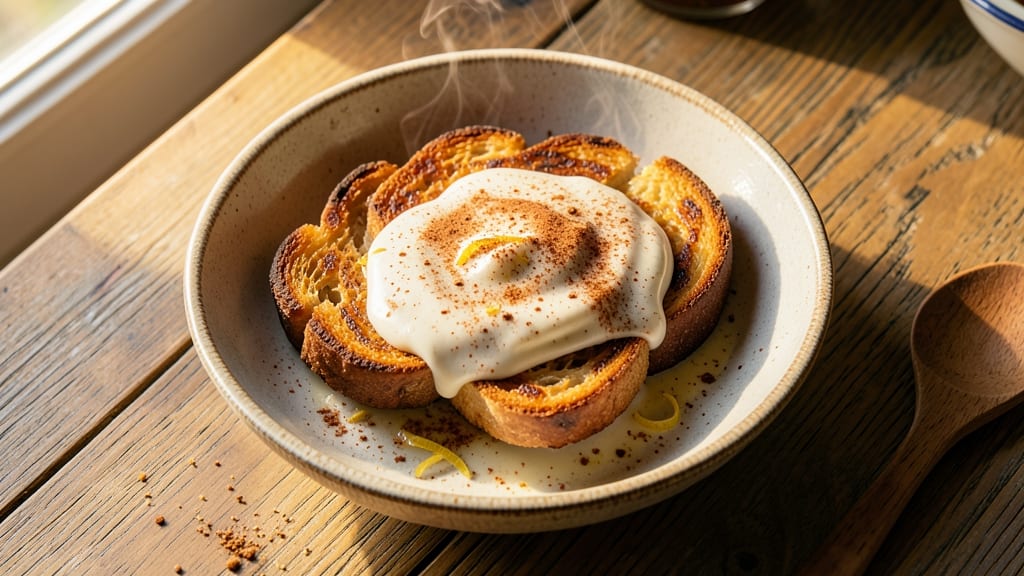
This artisan bread French toast recipe transforms stale loaves into a crispy-gold masterpiece with a secret vanilla-infused custard swirl.
The key lies in soaking thick slices of sourdough or brioche in a rich egg-milk mixture—just long enough to absorb without falling apart—then pan-frying until the crust achieves that perfect caramelized crunch.
What sets this apart from traditional French toast is the delicate vanilla swirl baked into the custard, adding depth that turns breakfast into an indulgence.
What makes this recipe foolproof is the balance between technique and simplicity: no special equipment needed, just a sturdy skillet and patience for even cooking.
The custard mixture is where the magic happens—vanilla extract and cinnamon infuse every bite, while a touch of nutmeg adds warmth that pairs beautifully with the bread's crust.
For that signature crispy exterior, we'll focus on medium-high heat and just the right amount of butter to create a golden-brown finish that contrasts perfectly with the soft interior.
The result is a dish that looks as impressive as it tastes—think restaurant-quality plating with minimal effort. Serve with warm maple syrup drizzled over the top, a sprinkle of powdered sugar, or fresh berry compote to cut through the richness.
This isn't just breakfast; it's a showstopper that elevates any morning into something special, whether you're feeding a crowd or treating yourself to a Sunday indulgence.
Pro tip: For extra decadence, brush the finished toast with a thin layer of honey before serving, or add a dusting of cinnamon sugar for a sweet-savory contrast. The beauty of this recipe is its versatility—adjust the custard to suit your taste, and let the bread's natural flavors shine through.
Let's get started on creating your perfect slice.
Ingredients for artisan bread french toast
Transform stale bread into a crispy-gold masterpiece with these 12 essential ingredients.
| Ingredient | Amount | Notes |
|---|---|---|
| Stale Artisan Bread 🍞 | 1 loaf | Sourdough or brioche preferred |
| Large Eggs 🥚 | 4 whole | Room temperature preferred |
| Whole Milk 🥛 | 1 cup | Full-fat for creaminess |
| Pure Vanilla Extract 🍯 | 1 tbsp | High-quality for flavor |
| Ground Cinnamon 🍃 | 1 tsp | Freshly ground preferred |
| Ground Nutmeg 🌿 | ¼ tsp | Freshly grated for warmth |
| Granulated Sugar 🍚 | 2 tbsp | Fine grain preferred |
| Unsalted Butter 🧈 | 4 tbsp | Cold for even cooking |
| Pure Maple Syrup 🍁 | ½ cup | Grade A for serving |
| Powdered Sugar 🍚 | 2 tbsp | For dusting finished toast |
| Salt 🧂 | ½ tsp | Fine sea salt preferred |
| Fresh Berries 🍓 | 1 cup | For optional compote |
The bread is everything here. Sourdough or brioche from a local bakery delivers the best texture—Whole Foods or local artisan bakeries are my go-to spots. Look for loaves with a thick crust and minimal preservatives. If using brioche, it's slightly richer but softer—great for first-timers. For sourdough, the tangier flavor pairs perfectly with the vanilla custard. Slice the bread 1/2-inch thick—thicker slices give you that satisfying crunch, but don't go over 3/4-inch or they'll fall apart during soaking. Stale bread is ideal because it absorbs the custard better, but if you're using fresh, let it sit out overnight to dry slightly.
No vanilla extract? Vanilla bean paste works just as well—just use half the amount since it's more concentrated. Short on milk? Heavy cream or half-and-half makes the custard even richer, but whole milk keeps it balanced. The cinnamon and nutmeg are non-negotiable for that warm spice profile, but if you're out, pumpkin pie spice at half the amount gives a similar vibe. For the butter, European-style unsalted (like Plugrá) has a higher melt point, which is perfect for crispy crusts. The maple syrup should be Grade A for serving—it's sweeter and smoother than Grade B. Fresh berries? Blueberries or raspberries work best—they hold their shape when lightly simmered for compote.
The custard mixture keeps for 3 days in the fridge, but the bread should be used fresh for best texture. Store any leftover custard in an airtight container with plastic wrap pressed directly on the surface to prevent a skin from forming. The bread itself can be prepped a day ahead—slice and store in a bread bag at room temperature, then soak just before cooking. For extra crispiness, reheat the toast in a 350°F oven for 5 minutes before serving. The finished toast reheats beautifully—just pop it back in the skillet for 30 seconds per side to restore that golden crunch.
Why You'll Love This Recipe
- No-Waste Magic: I swear by this trick—turning yesterday’s crusty artisan loaf into something golden and irresistible. No sad bread ends here, just pure flavor transformation.
- Crispy-Creamy Balance: That first bite? Buttery crust with a custardy center—thanks to the whole milk and eggs soaking in. The cinnamon and vanilla make it taste like a bakery’s secret, not my kitchen.
- Breakfast or Dessert: Serve it with maple syrup for a weekend brunch or drizzle with honey and a sprinkle of nuts for a cozy dessert. Honestly, I’ve had it both ways, and it never disappoints.
- Budget Breakfast Win: Eggs, milk, and stale bread? This is the kind of meal that stretches your grocery budget without sacrificing taste. Plus, leftovers reheat beautifully—just a quick toast in the oven.
Step-by-step instructions for artisan bread French toast
Here's how to transform stale artisan bread into golden, crispy perfection with a vanilla-infused center.
Prepare the Vanilla-Infused Batter
In a large bowl, whisk together the 4 whole large eggs until they're completely combined. Add the 1 cup whole milk, 1 tablespoon pure vanilla extract, 2 tablespoons granulated sugar, 1 teaspoon ground cinnamon, ¼ teaspoon ground nutmeg, and ½ teaspoon salt. Whisk vigorously until the mixture is smooth and fully incorporated.
This batter should be thick enough to coat the back of a spoon but still flow easily when poured. If it's too thick, whisk in 1-2 tablespoons additional milk until you reach the right consistency. The vanilla and spices will infuse throughout, creating that signature warm, aromatic flavor. Let the batter rest for 5 minutes at room temperature while you prepare the bread.
Cut and Soak the Bread
Slice the 1 loaf stale artisan bread into ½-inch thick pieces. I prefer slightly thicker slices for better texture—they hold up better during cooking and create a satisfying bite. Arrange the slices in a single layer in a shallow baking dish just large enough to hold them without overlapping.
Pour the prepared batter over the bread slices, ensuring each piece is fully coated on both sides. Let them soak for 2-3 minutes until they've absorbed most of the liquid but still maintain their shape. You'll see the edges begin to soften slightly—that's your cue they're ready for the pan. If using brioche, which is denser, you might need an extra 30 seconds of soaking time.
Cook to Crispy Perfection
Heat a large skillet over medium heat and melt 2 tablespoons unsalted butter until it's foaming but not browned. Add the soaked bread slices in a single layer, leaving ½ inch between each piece to allow for even browning. Cook for 2-3 minutes per side until the edges turn a deep golden brown and the centers are cooked through.
Here's the secret to that perfect crispy crust: resist the urge to flip too soon. You'll know it's ready when the edges are deep golden brown and the bread releases easily from the pan. For extra crispiness, I like to add another 1 tablespoon butter to the pan after the first batch and let it melt before adding the second round. The residual butter creates that irresistible crunch.
Assemble with Maple Syrup and Berries
Transfer the cooked french toast to a serving platter and immediately drizzle with ½ cup pure maple syrup. The warm syrup will pool beautifully on the golden surface. While still warm, dust generously with 2 tablespoons powdered sugar and top with 1 cup fresh berries for a fresh, vibrant contrast.
For serving, I like to arrange the slices in a circular pattern with the berries clustered in the center. The warm, crispy toast paired with the cool, juicy berries creates a perfect balance of textures and temperatures. Serve immediately while the exterior is still crisp and the interior remains tender. The maple syrup will caramelize slightly on the hot toast, adding another layer of depth to each bite.
Pro Tips For Making Artisan Bread French Toast
- CUT THICK SLICES: Artisan bread’s texture is everything—aim for ½-inch to ¾-inch slices, no thinner. I used to rush this and ended up with soggy edges that fell apart before hitting the pan. Thicker slices hold their shape and crisp up better.
- WHISK EGGS VIGOROUSLY: Beat the eggs and milk until fully homogenous, no streaks—this ensures even coating. I learned this the hard way: lazy whisking leads to dry spots on the bread. Add a splash of vanilla after whisking so it blends in smoothly.
- SKIP THE OVERCROWDING: Cook 2-3 slices at a time max—any more and the pan gets sluggish, leading to greasy, uneven browning. I now use a nonstick skillet and resist the urge to rush; patience here guarantees that perfect caramelized crust.
- TOAST BREAD FIRST: Pop stale artisan bread in a 350°F oven for 5 minutes before dipping—this revives the crumb and prevents a gummy center. Sounds counterintuitive, but it’s the thing that actually changes the texture for the better.
Regional styles of these flavors
French Toast Origins
The classic French toast we know today has roots in medieval Europe, where it was known as "pain perdu" or "lost bread"—a clever way to use stale loaves. The French version, called "pain perdu," became popular in the 17th century, where it was soaked in a milk-and-egg mixture and pan-fried.
This dish traveled to America with French settlers, evolving into the sweet, cinnamon-spiced version we love today. 🍞
Southern U.S. Style
In the American South, French toast became a breakfast staple, often made with cornbread or brioche. The Southern twist includes a richer custard with extra butter and a dusting of powdered sugar.
I love the way the Southern version balances sweetness with a touch of warmth from cinnamon and nutmeg. For a true Southern experience, try adding a drizzle of bourbon caramel sauce. 💛
German-Inspired "Arme Ritter"
Germany's version, "Arme Ritter" (Poor Knight), is a savory take on French toast. Thin slices of stale bread are soaked in a milk-and-egg mixture, then pan-fried and topped with applesauce, jam, or even caviar.
This dish reflects Germany's practical approach to using leftovers. For a fusion twist, try topping your sweet French toast with a dollop of spiced applesauce for a unique flavor profile. 🍏
Italian "Fette Biscottate"
In Italy, "fette biscottate" is a crispy, rectangular bread that's often served for breakfast. While not exactly French toast, it shares the concept of transforming stale bread into something delicious. The Italian version is typically served with coffee and a dusting of powdered sugar or a spread of Nutella.
For a modern take, try brushing your French toast with a thin layer of Nutella before dusting with powdered sugar. ✨
Modern Artisan Twists
Today, chefs around the world are reinventing French toast with artisan breads like sourdough, brioche, and even baguettes. The key is to let the bread's natural flavors shine while enhancing them with creative toppings.
I love experimenting with different breads—sourdough adds a tangy note, while brioche brings extra richness. For a gourmet touch, try brushing the cooked toast with honey and topping it with edible flowers. 🌸
Breakfast Around the World
From Japan's "pan purin" (a sweet, custard-filled bread) to France's "pain perdu," French toast has inspired countless variations globally. Each region adds its own twist—whether it's the sweetness of maple syrup in Canada or the savory flavors of Middle Eastern "kishk" (a type of fried bread).
Exploring these regional styles can turn a simple breakfast into an international culinary adventure. 🌍
Nutrition facts
Frequently asked questions
Can I use fresh artisan bread instead of stale?
Fresh bread works, but stale bread absorbs the custard better for that perfect texture. If using fresh, let it sit out overnight to dry slightly or toast it lightly first. For brioche, which is denser, you may need an extra 30 seconds of soaking time to ensure full saturation without falling apart.
What's the best way to reheat leftover french toast?
Pop slices back in a skillet over medium heat with a touch of butter for 30 seconds per side to restore that golden crunch. For oven reheating, bake at 350°F for 5 minutes until warmed through. Avoid microwaving—it turns the crust soggy!
How do I adjust the custard for a richer flavor?
Swap whole milk for half-and-half or heavy cream, and add 1 extra tablespoon butter to the custard mixture. For depth, stir in ½ teaspoon espresso powder or a pinch of cardamom. The vanilla swirl remains the star, but these tweaks create a decadent custard that pairs beautifully with the crispy exterior.
Can I make this ahead of time?
Prep the batter and bread slices up to 1 day ahead, storing them separately in the fridge. Soak the bread just before cooking to maintain texture. For make-ahead serving, cook the toast and reheat in a 375°F oven for 8-10 minutes until crispy again. The custard keeps for 3 days in an airtight container.
What's the secret to that perfect crispy crust?
Use medium-high heat and let the butter foam but not brown before adding the bread. Cook until edges are deep golden brown—about 2-3 minutes per side. The key is patience: resist flipping too soon, and add fresh butter between batches for that irresistible crunch.