
Side Dishes
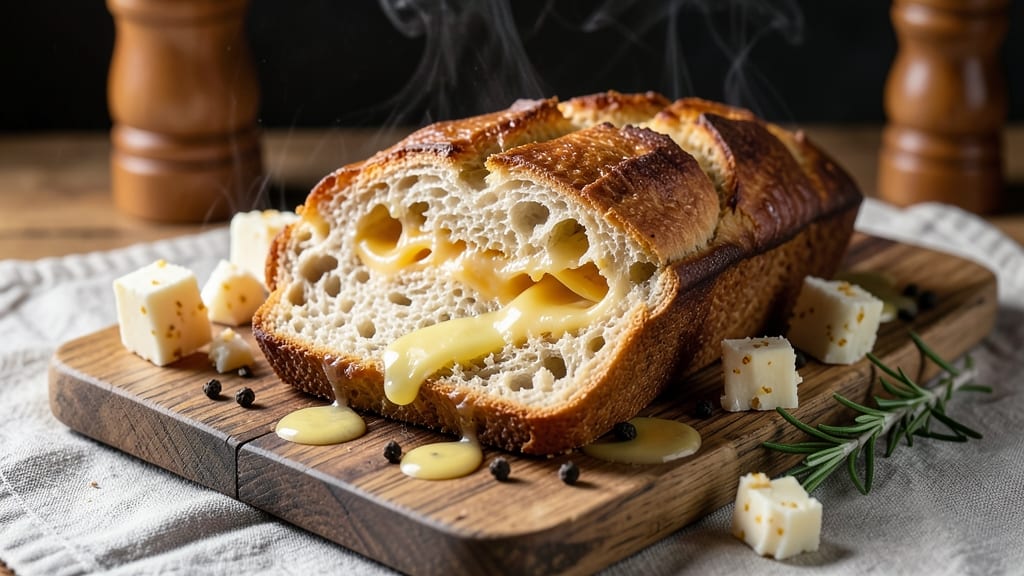
This artisan cheddar cheese bread delivers the perfect balance of crusty crunch and gooey, melty cheese swirls that make every bite irresistible. 🔥 The secret lies in using sharp cheddar folded into a well-developed dough, creating pockets of rich, tangy cheese that caramelize beautifully during baking.
Unlike store-bought versions, this recipe builds flavor through proper kneading and proofing, ensuring a tender crumb with a golden, crackly crust.
The process begins with a simple yeast dough that develops naturally through kneading, creating the ideal structure to hold the cheese. Folding in sharp cheddar at the right stage ensures it melts into delicious swirls rather than clumping.
Baking at high heat creates that coveted crispy exterior while keeping the interior soft and pillowy—just like your favorite bakery loaf, but made at home.
What sets this bread apart is its versatility—perfect for serving alongside soups, pairing with charcuterie, or enjoying fresh from the oven with butter. The sharp cheddar adds depth that complements everything from hearty stews to light salads.
With just a few ingredients and a little patience, you’ll achieve a loaf that’s restaurant-quality without the fuss.
Ready in about 2 hours (including proofing), this recipe is designed for home bakers who want professional results. The key steps—kneading, shaping, and baking—are straightforward but critical for that perfect texture.
Whether you’re a beginner or an experienced baker, this artisan cheddar cheese bread will become a staple in your kitchen.
Ingredients for artisan cheddar cheese bread
Sharp cheddar swirls and crispy crust start with these twelve essential ingredients—nothing fancy, just bold flavors and perfect texture.
| Ingredient | Amount | Notes |
|---|---|---|
| All-Purpose Flour 🌾 | 4 cups | Unbleached, high-protein preferred |
| Active Dry Yeast 🍞 | ¼ oz | Or 2.5g, single packet |
| Granulated Sugar 🍚 | 1 tbsp | For yeast activation |
| Warm Water 💧 | 1 cup | 110°F for yeast activation |
| Unsalted Butter 🧈 | ½ cup | Cold, cubed for dough |
| Sharp Cheddar Cheese 🧀 | 1 ½ cups | Block, freshly grated (2 oz) |
| Diamond Crystal Kosher Salt 🧂 | 1 ½ tsp | Adjust to taste |
| Extra-Virgin Olive Oil 🫒 | 1 tbsp | For dough and shaping |
| Egg 🥚 | 1 whole | For egg wash |
| Coarse Sea Salt 🧂 | 1 tsp | For sprinkling crust |
| Cornmeal 🌽 | ¼ cup | For dusting work surface |
| Milk 🥛 | 1 tbsp | For egg wash richness |
The cheddar makes or breaks this bread. Sharp, aged cheddar from the deli counter (like Cabot or Tillamook) delivers that tangy depth—pre-shredded won't work. For the flour, King Arthur or Gold Medal with 11-12% protein creates that tender crumb. The yeast? Fresh is best—check the expiration date. Store-bought packets often sit too long. Keep your butter cold; it should stay firm until the dough comes together. Pro tip: Grate the chedddar yourself—it melts better and won't clump like pre-shredded.
No sharp cheddar? Pepper jack or smoked Gouda adds complexity, though nothing beats the original. Out of yeast? Instant yeast works 1:1, but don't overmix once it's added. The olive oil can be swapped for melted butter if you prefer, but the flavor difference is noticeable. For a lighter loaf, replace 1 tbsp of flour with cornstarch. The milk in the egg wash? Heavy cream makes it richer, but whole milk works perfectly fine. And if you're gluten-sensitive, Bob's Red Mill 1:1 gluten-free flour holds up surprisingly well.
This dough needs time—at least 1 hour of rising before shaping. Store it in the fridge overnight for even more flavor development. The shaped loaf keeps 3 days wrapped at room temperature, but it's best fresh. For reheating, wrap tightly in foil and warm at 350°F for 10 minutes. Freeze shaped (unbaked) loaves for up to 1 month—bake straight from frozen, adding 5-10 minutes. The crust stays crispy if you reheat it quickly, so don't overdo it. Leftovers? Toast them—game changer.
Why You'll Love This Recipe
- No-Knead Magic: I swear by this dough—just mix, let it rise, and forget it. The yeast does all the work while I sip coffee, and the butter-rich dough stretches like a dream when shaping. (Yes, even on a Tuesday night.)
- Melty Perfection: That moment when you slice into golden crust and find gooey, aged cheddar pulling apart? It’s like biting into a hug. The sugar in the dough caramelizes just enough to balance the sharp, nutty cheese—no fancy add-ins needed.
- Breakfast to Dinner: Same loaf for morning toast with jam, lunch sandwiches with turkey, or dinner alongside soup. I’ll be real: I’ve even microwaved cold slices for a 2-minute snack. The dough’s simplicity means it’s always up for whatever you throw at it.
- Budget-Friendly Stretch: A single batch costs me less than takeout for two. The flour and butter make it rich without breaking the bank, and leftovers toast up just as well the next day. Honestly, I make this when I’m pinching pennies—and no one complains.
Step-by-step instructions for artisan cheddar cheese bread
This golden, cheesy loaf delivers restaurant-quality flavor with a crisp crust and gooey swirls.
👨🍳 Step 1: Activate the Yeast and Mix the Dough
In a large bowl, combine the 1 cup warm water (should feel like bathwater, 110°F) with the 1 tbsp granulated sugar and 0.25 oz active dry yeast. Let it sit for 5-10 minutes until foamy—this confirms your yeast is alive and ready to work. If it doesn't foam, start over with fresh yeast.
In a separate bowl, whisk together the 4 cups all-purpose flour and 1.5 tsp diamond crystal kosher salt. Make a well in the center and pour in the yeast mixture along with the 1 tbsp extra-virgin olive oil. Mix with a wooden spoon until a shaggy dough forms, then turn it out onto a lightly floured surface.
👨🍳 Step 2: Knead and Incorporate the Cheese
Knead the dough for 8-10 minutes until smooth and elastic, adding flour as needed to prevent sticking. The dough should be slightly tacky but not wet—this ensures proper gluten development for that perfect chewy texture. Here's the thing—don't overwork it or you'll develop too much gluten and end up with a tough loaf.
Once the dough is smooth, return it to your mixing bowl. Cut the 0.5 cup cold unsalted butter into small cubes and distribute them evenly over the dough. Fold the dough over itself a few times to incorporate the butter, then press in the 1.5 cups freshly grated sharp cheddar cheese, folding it into the dough until evenly distributed. This creates those beautiful, melty cheese swirls when baked.
⏰ Step 3: First Rise and Shaping
Lightly oil a large bowl, place the dough inside, and cover with a damp towel. Let it rise in a warm place for 1-2 hours or until doubled in size. You'll know it's ready when you poke it gently and the indentation stays put—this is called the "poke test" and it's your foolproof indicator.
Punch down the dough to release air, then turn it out onto a surface dusted with 0.25 cup cornmeal. Shape it into a log about 12 inches long and 3 inches wide, sealing the seams tightly. Place it seam-side down on a parchment-lined baking sheet and cover loosely with plastic wrap. Let it rise again for 30-45 minutes until puffy.
🔥 Step 4: Preheat and Prepare for Baking
Preheat your oven to 375°F with a baking stone or inverted baking sheet on the middle rack. This creates steam that gives your bread that perfect oven spring. While the oven heats, beat the 1 whole egg with 1 tbsp milk in a small bowl until frothy. Brush this egg wash generously over the risen dough, then sprinkle with 1 tsp coarse sea salt for that signature crusty finish.
Bake for 25-30 minutes until the bread is deep golden brown and sounds hollow when tapped on the bottom. The internal temperature should reach 190°F—this ensures it's fully baked through without being dry. If the top browns too quickly, tent with foil to prevent over-browning while the center finishes baking.
🍽️ Step 5: Cool and Slice for Maximum Enjoyment
Remove the bread from the oven and transfer it to a wire rack to cool for at least 15 minutes. Real talk—it's tempting to slice immediately, but waiting ensures clean slices and prevents a gummy texture. The cheese swirls will be gooey and stretchy when hot, but they'll firm up just enough for perfect slicing.
Slice while still warm for the best texture—each bite should deliver that crisp crust, chewy interior, and melty cheddar goodness. Serve with soup or enjoy as a snack with a cold beer. This bread keeps well at room temperature for 2 days or can be frozen for up to 3 months for fresh-baked flavor whenever you crave it.
Pro Tips For Making Artisan Cheddar Cheese Bread
- Use Cold Butter Blocks: The recipe calls for softened butter, but I’ve learned to cut it into small cubes and fold them into the dough last—right before shaping. This keeps the cheese from melting too early and gives you those perfect, gooey pockets when it bakes. (Yes, even if you’re impatient like me, resist the urge to mix it in sooner.)
- Proof the Yeast Twice: Skip the instant yeast shortcut and proof your active dry yeast twice for extra insurance. Mix the yeast, sugar, and warm water first, let it foam for 5 minutes, then add the flour. If it doesn’t bubble the second time, your dough’s rise will be sluggish—no amount of kneading fixes that.
- Don’t Overwork the Dough: This isn’t pizza dough; handle it like it’s fragile. Once you’ve kneaded it for 5–7 minutes (just until smooth), stop. Overworking develops gluten too much, and your bread turns out dense instead of light and airy. If the dough sticks, wet your hands—don’t flour them.
- Bake with Steam First: Preheat your oven to 375°F, then place a metal tray on the bottom rack and pour in ½ cup boiling water. Bake the shaped loaf for 10 minutes with the lid on (or foil tented loosely). The steam locks in moisture and gives that golden crust without drying out the cheese. (Your future self will thank you.)
Regional styles of this artisan cheddar cheese bread
New England Style
In New England, cheddar cheese bread often features a dense, hearty texture with extra cheese—think 2 cups of sharp cheddar instead of 1.5. The dough gets enriched with 1 extra egg yolk for richness, and bakers frequently add 1 tbsp of heavy cream to the dough for a tender crumb.
The crust is thicker, almost like a sourdough-style bread, and often sprinkled with poppy seeds or sesame seeds for crunch. Serve it warm with clams chowder or lobster rolls for a true coastal experience. 🍽️
Southern Comfort
Southern-style cheddar cheese bread leans into sweet and savory with a touch of honey or brown sugar (about 2 tbsp) in the dough. The cheese is often mixed with smoked gouda for depth, and the loaf is baked in a cast-iron skillet for a crispier, rustic crust.
Top it with crushed Ritz crackers before baking for extra crunch. Pair it with pimento cheese dip or BBQ pulled pork for a Southern feast. The dough also benefits from a longer rise (up to 3 hours) in a warm oven for extra flavor. 🔥
Midwest Pull-Apart
The Midwest loves its gooey, pull-apart loaves, so this version uses extra butter (0.75 cup) and more cheese (up to 2 cups) for maximum stretchiness. The dough is shaped into a large oval or rectangle and baked in a 9x13-inch pan for easy serving.
After baking, it’s topped with garlic butter and extra coarse salt for that diner-style appeal. Perfect for game day snacks or family gatherings, this bread is all about shareability—everyone reaches in for a piece. 💪
Pacific Northwest Twist
Out West, the focus is on bold, local flavors. Swap the cheddar for aged Washington State cheddar (like Tillamook Aged Sharp) and fold in crumbled blue cheese (about ¼ cup) for a tangy kick.
The dough gets a boost of 1 tbsp of maple syrup for subtle sweetness, and the loaf is brushed with white wine reduction after baking. Serve it with smoked salmon or artichoke dip for a Pacific Northwest-inspired spread.
The crust is thinner but ultra-crispy, thanks to a steam bath during baking. 🌟
Italian-Inspired Focaccia
For an Italian twist, shape the dough into a rectangular pan and press your fingers into it to create dimples. Top it with cherry tomatoes, fresh rosemary, and flaky sea salt before baking. Replace half the cheddar with pecorino romano for a sharper, nuttier flavor.
Brush the baked loaf with olive oil and sprinkle with coarse sea salt for a focaccia-style finish. This version pairs beautifully with antipasto platters or marinara sauce for dipping. 🍅
Nutrition facts
Frequently asked questions
Can I use pre-shredded cheddar cheese in this recipe?
Pre-shredded cheese won't work well here because it contains anti-caking agents that prevent proper melting. For the best results, always use freshly grated sharp cheddar—it melts beautifully into those gooey swirls. If you're short on time, try grating your own block cheese quickly with a box grater.
How do I know when the dough has risen enough?
Use the "poke test"—gently press your finger into the dough. If the indentation stays put (about ½ inch deep), it's ready. For visual confirmation, the dough should double in size. First rise takes 1-2 hours, while the final rise before baking only needs 30-45 minutes to puff up.
Why did my bread turn out dense instead of light and airy?
Over-kneading or under-proofing often causes dense bread. Knead just until smooth (8-10 minutes) and let it rise fully—both times! Also ensure your yeast is fresh (it should foam within 5-10 minutes in warm water). Cold butter can also weigh down the dough, so cut it into small pieces for even distribution.
Can I make this bread without a baking stone?
Place an inverted baking sheet on the middle rack to create steam. For extra crispiness, bake on a preheated metal tray. The key is high heat (375°F) with steam to develop that perfect oven spring. Just watch the top—it browns quickly, so tent with foil if needed.
What's the best way to reheat leftover cheddar cheese bread?
Wrap slices tightly in foil and warm at 350°F for 5-10 minutes until crispy again. For the whole loaf, reheat wrapped in foil for 10-15 minutes, then unwrap to crisp the crust. Avoid the microwave—it makes the cheese rubbery. Pro tip: Toast slices for maximum crunch!