
Desserts
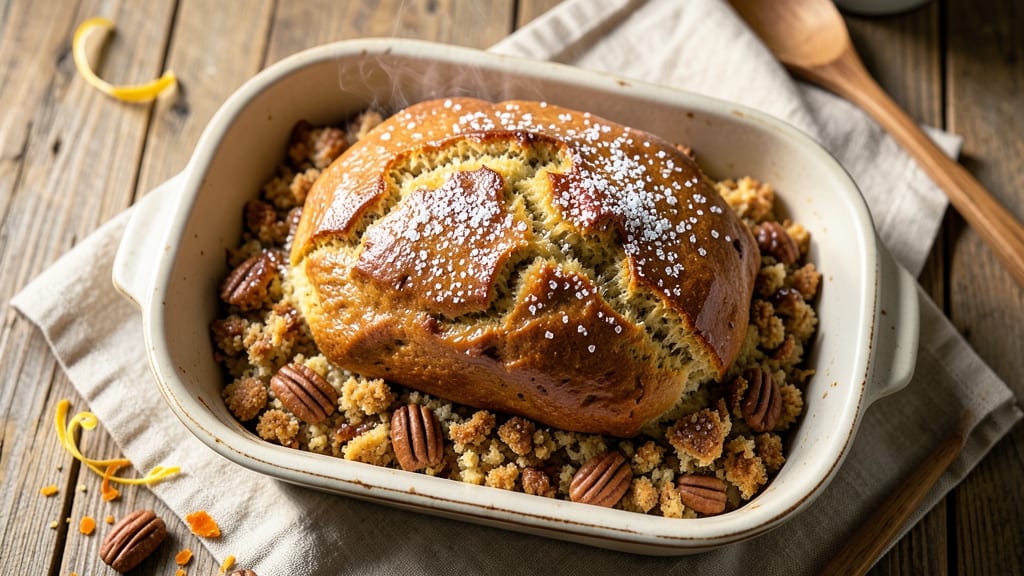
This artisan pumpkin bread recipe delivers the perfect balance of moist texture and warm spice harmony—every slice is a celebration of autumn. The secret lies in using high-quality pumpkin puree and a blend of cinnamon, nutmeg, and cloves that create layers of flavor.
I’ve perfected this method over years of baking, ensuring a tender crumb and just the right amount of sweetness without overpowering the natural pumpkin taste.
What sets this recipe apart is the addition of apple chunks, which add a subtle tartness that brightens the rich pumpkin flavor. The bread bakes in a 350°F oven for about 50-60 minutes, developing a golden crust while keeping the inside perfectly moist.
A simple glaze of powdered sugar and cream cheese adds that final touch of elegance, making it look as good as it tastes.
The dough comes together with simple ingredients—no fancy techniques required—just a bowl, a whisk, and a little patience. This bread is ideal for holidays, gifts, or a cozy weekend treat, and it keeps well for days.
Whether you’re a seasoned baker or just starting out, this recipe delivers restaurant-quality results with minimal effort.
For an extra twist, try swapping traditional flour for a gluten-free blend or adding a pinch of cardamom for depth. The possibilities are endless, but the foundation remains the same: a tender, spiced loaf that captures the essence of fall in every bite.
Ingredients for artisan pumpkin bread
High-quality pumpkin puree, warm spices, and apple chunks create this artisan loaf's signature harmony.
| Ingredient | Amount | Notes |
|---|---|---|
| Canned Pumpkin Puree 🎃 | 1 ½ cups | 100% pure, no spices added |
| All-Purpose Flour 🌾 | 2 ½ cups | Sifted for even texture |
| Granulated Sugar 🍚 | 1 ½ cups | Light brown sugar for depth |
| Light Brown Sugar 🍚 | ½ cup | Packed tightly for moisture |
| Large Eggs 🥚 | 2 whole | Room temperature for blending |
| Unsalted Butter 🧈 | 1 cup | Melted, full-fat preferred |
| Ground Cinnamon 🌿 | 2 tsp | Freshly ground for aroma |
| Ground Nutmeg 🌿 | ½ tsp | Freshly grated preferred |
| Ground Cloves 🌶️ | ½ tsp | Lightly toasted for warmth |
| Ground Ginger 🌿 | 1 tsp | Freshly grated for zing |
| Baking Soda 🧂 | 1 tsp | Freshly measured |
| Salt 🧂 | ½ tsp | Kosher or sea salt |
| Vanilla Extract 🍯 | 1 tbsp | Pure, high-quality extract |
| Apples 🍎 | 1 ½ cups | Diced, Honeycrisp or Fuji |
| Powdered Sugar 🍚 | ½ cup | For glaze, sifted |
| Cream Cheese 🧀 | 4 oz | Room temperature for glaze |
The pumpkin puree is non-negotiable here—Libby's 100% pure or Bertolli are my go-tos, but any unsweetened, unspiced canned pumpkin works. For the apples, Honeycrisp or Fuji stay firm when baked, but any crisp variety will do. The spices? Penzeys or bulk bins at Whole Foods for the freshest grind. Toast your whole cloves and ginger lightly before grinding for a deeper flavor—worth the extra minute. Flour should be sifted to avoid dense pockets, and King Arthur or Gold Medal brands are reliable choices.
No pumpkin puree? Fresh pumpkin purée from a small can works, but strain it well to remove strings. Substituting apples? Pears or dried cranberries add different but delicious contrasts. For a gluten-free version, swap the all-purpose flour with a 1:1 gluten-free blend like Bob's Red Mill. The cream cheese glaze can be made vegan by using cashew cream instead, though texture will differ slightly. If you're short on vanilla, vanilla bean paste adds specks of flavor that take this from good to exceptional.
This bread keeps beautifully—3-4 days at room temperature wrapped in foil, or up to 1 week in the fridge. For longer storage, freeze the loaf (without glaze) for up to 3 months. To revive, warm at 300°F for 10 minutes with a damp paper towel. The glaze sets best after 1 hour, so resist slicing too soon. I like to brush extra on the top slice for presentation—always save the best piece for last
Why You'll Love This Recipe
- No Pantry Panic: I swear by this recipe when I forget to buy specialty flours—just grab the basics: that canned pumpkin, a bag of all-purpose flour, and whatever sugar you have. The brown sugar adds depth without needing fancy ingredients.
- Spiced Perfection: That combo of pumpkin and warm brown sugar? It’s like fall wrapped in a loaf. The eggs keep it moist, and the molasses-like sweetness lingers—no artificial flavors here, just pure cozy goodness.
- Breakfast or Snack: Slice it thick for toast with butter and jam, or pack it for lunch with a smear of cream cheese. It’s my go-to when I need something hearty but still feels like a treat—no weird leftovers here.
- Budget-Friendly Staples: Honestly, this recipe costs me pennies. Canned pumpkin lasts months, flour is cheap, and eggs are versatile. I’ve made this for holidays, potlucks, and lazy Sundays—always a crowd-pleaser without breaking the bank.
Step-by-step instructions for artisan pumpkin bread with apple chunks
Master this recipe with precise mixing and baking techniques for a moist, spiced loaf.
Prepare the Apple Chunks and Preheat the Oven
Peel, core, and dice the 1.5 cups apples into small, even pieces—about ¼-inch cubes. Toss them with 1 teaspoon of the granulated sugar to prevent browning while you prepare the batter. This step ensures the apples stay fresh and sweet throughout baking.
Preheat your oven to 350°F and lightly grease a 9x5-inch loaf pan with unsalted butter. Line the bottom with parchment paper for easy removal. A well-greased pan prevents sticking, while the parchment ensures the bread releases cleanly without tearing.
Mix Wet Ingredients for a Smooth Batter
In a large mixing bowl, combine the 1.5 cups canned pumpkin puree, 1 cup melted unsalted butter, 1.5 cups granulated sugar, and 0.5 cup light brown sugar. Whisk until fully incorporated—this ensures the sugars dissolve completely, creating a smooth base for the batter.
Add the 2 whole large eggs, 1 tablespoon vanilla extract, and the 1.5 cups diced apples (with their sugared coating). Gently fold the apples into the mixture to distribute them evenly. The apples will soften during baking, adding natural sweetness and texture contrast to the dense bread.
Incorporate Dry Ingredients for Light Texture
In a separate bowl, sift together the 2.5 cups all-purpose flour, 2 teaspoons ground cinnamon, 0.5 teaspoon ground nutmeg, 0.5 teaspoon ground cloves, 1 teaspoon ground ginger, 1 teaspoon baking soda, and 0.5 teaspoon salt. This step aerates the flour, preventing lumps and ensuring even distribution of spices.
Gradually add the dry ingredients to the wet mixture, mixing on low speed with a hand mixer or whisk until just combined. Avoid overmixing—stop as soon as the batter comes together. Overmixing develops gluten, which can make the bread dense instead of tender.
Bake to Golden Perfection and Test Doneness
Pour the batter into the prepared loaf pan and smooth the top with a spatula. Bake for 50-55 minutes until a toothpick inserted into the center comes out clean and the top springs back when pressed gently. The bread is done when the edges pull away slightly from the pan and the crust is a deep golden brown.
If the top browns too quickly, tent the pan with foil after 30 minutes to prevent over-browning while the center finishes cooking. Let the bread cool in the pan for 10 minutes, then transfer to a wire rack to cool completely before slicing.
Prepare the Cream Cheese Glaze and Serve
While the bread cools, prepare the glaze by beating the 4 oz cream cheese with the 0.5 cup powdered sugar until smooth. Thin with 1-2 teaspoons milk or water if needed to achieve a drizzling consistency. The glaze should be thick enough to coat the back of a spoon but still pour easily.
Drizzle the glaze over the cooled bread, allowing it to drip down the sides for an elegant finish. Serve slices warm or at room temperature for the best texture—moist crumb with tender apple chunks and a sweet-tangy glaze that balances the warm spices.
Pro Tips For Making Artisan Pumpkin Bread
- Mix the Dry Ingredients First: I learned this the hard way—adding wet ingredients to flour before measuring dry ones creates a messy, gummy paste. Sift the flour, sugar, spices, and baking powder together in one bowl, then make a well in the center. This keeps everything light and prevents a dense, heavy crumb.
- Use Room-Temperature Eggs: Cold eggs can make your bread sink in the middle or develop a gummy texture. Take the eggs out of the fridge 30 minutes before mixing—just long enough to warm up to room temperature. Trust me, your bread will rise better and hold its shape.
- Don’t Overmix the Batter: Once you add the pumpkin puree and eggs, mix just until combined. Overmixing activates the gluten in the flour, leading to a tough, chewy loaf instead of a tender, moist crumb. Stir until the flour is barely incorporated—lumps are fine.
- Check for Doneness Early: Pumpkin bread can dry out fast, so pull it out of the oven when the center hits 205°F (96°C) on an instant-read thermometer—before the toothpick test looks perfect. If it’s still slightly sticky, tent with foil and let it rest 5 minutes; it’ll firm up without turning dry.
Troubleshooting this recipe
Dense Crumb Fix
If your pumpkin bread turns out dense instead of tender, the issue is likely overmixing or stale ingredients. I’ve found that using fresh baking soda (not baking powder) and room-temperature eggs makes a huge difference.
Also, sift your flour thoroughly—King Arthur or Gold Medal brands work best—and avoid overmixing once the dry ingredients are combined. If you accidentally overmix, reduce the baking soda by ¼ teaspoon to compensate.
Cakey Texture
A cakey texture usually means too much leavening agent or insufficient fat. Double-check your baking soda measurement—1 teaspoon is correct—and ensure you’re using 1 cup melted butter (not oil).
For extra moisture, add 2 tablespoons Greek yogurt to the wet ingredients. If the bread still feels too light, try baking it for 5-10 minutes longer to develop structure.
Dry or Crumbly Bread
Dryness often stems from overbaking or too much flour. First, verify your oven temperature with an infrared thermometer—350°F is critical. If the bread dries out quickly, wrap it in foil after 40 minutes to retain moisture.
For extra tenderness, replace ¼ cup of the flour with all-purpose cornstarch or add 1 tablespoon sour cream to the wet ingredients.
Soggy Bottom
A soggy bottom is usually caused by underbaking or a poorly greased pan. Always preheat your oven and grease the 9x5-inch loaf pan generously with butter. Line the bottom with parchment paper to prevent sticking.
If the bottom still feels damp, bake for 5 extra minutes and check for doneness with a toothpick. For a crispier crust, brush the bottom with melted butter before baking.
Uneven Baking
Uneven baking often happens if the oven isn’t properly calibrated or the pan isn’t leveled. Rotate the pan halfway through baking (after 25 minutes) to ensure even heat distribution. If your oven runs hot, reduce the temperature to 325°F and bake for 60-65 minutes.
For convection ovens, reduce the temperature by 25°F and bake for 50 minutes to avoid over-browning.
Glaze Not Setting
If your cream cheese glaze doesn’t set properly, it’s likely too thin or the bread isn’t fully cooled. Let the bread cool completely on a wire rack before glazing—at least 1 hour.
For a thicker glaze, mix the 4 oz cream cheese with ¼ cup powdered sugar and add 1 teaspoon lemon juice to stabilize it. Chill the glaze for 10 minutes before drizzling for a firmer finish.
Nutrition facts
Frequently asked questions
Can I make this pumpkin bread without apples?
Simply omit the diced apples and reduce the granulated sugar by 1 tablespoon to balance the sweetness. The bread will still be moist and flavorful, just without the apple's subtle tart contrast. For extra moisture, add 2 tablespoons Greek yogurt to the wet ingredients.
How do I store leftover pumpkin bread?
Wrap the cooled loaf tightly in plastic wrap or foil and store at room temperature for 3-4 days. For longer storage, freeze the unwrapped loaf for up to 3 months. To revive, thaw overnight in the fridge and warm for 10 minutes at 300°F with a damp paper towel. The glaze stays best when applied fresh, so save a slice for last!
What's the secret to making this bread extra moist?
The key is using melted butter (not oil) and keeping your ingredients at room temperature. Also, don't overmix the batter—just combine until the dry ingredients are incorporated. For extra moisture, replace ¼ cup flour with all-purpose cornstarch or add 1 tablespoon sour cream to the wet ingredients. The apples also help retain moisture during baking!
Can I use fresh pumpkin instead of canned puree?
Yes, but you'll need to purée and strain it first to remove strings and seeds. Use the same 1.5 cups measurement as canned puree. Fresh pumpkin has a slightly different texture—it's less sweet and more watery, so you may need to reduce the baking time by 5-10 minutes. For best results, roast the pumpkin first at 400°F for 20 minutes before puréeing.
How do I adjust this recipe for a smaller loaf pan?
If using an 8x4-inch pan, reduce all ingredients by about 20% (except the baking soda and salt). For an 8x8-inch square pan, use 75% of the recipe. Always check for doneness with a toothpick—smaller pans may bake faster. The baking time will vary, so watch closely after 40 minutes at 350°F.