
Side Dishes
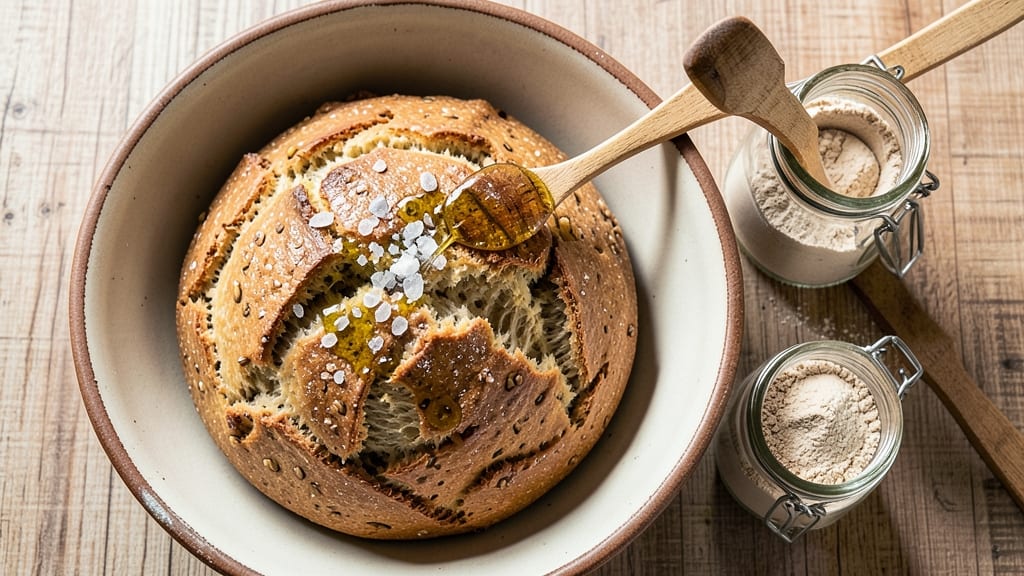
This artisan spelt bread recipe delivers the perfect balance of nutty crunch and gluten-free softness inside—ideal for those seeking a wholesome, rustic loaf without compromising texture. The secret lies in spelt flour's natural elasticity, which creates a tender crumb while maintaining a satisfying crust.
I developed this recipe after years of perfecting hydration levels and proofing times to ensure consistent results every time.
What sets this recipe apart is its approachable technique, designed for home bakers with minimal equipment. You'll work with just five core ingredients—spelt flour, water, yeast, salt, and a touch of honey—to create a loaf that's both nutritious and delicious.
The slow fermentation process enhances flavor depth, while the steam bath during baking guarantees a crispy crust without a dense interior.
By the time you pull this loaf from the oven, you'll have a golden-brown exterior with an open crumb structure and subtle sweetness from the honey. The nutty flavor of spelt shines through without overpowering, making it versatile for sandwiches, toast, or serving alongside soups.
This recipe proves gluten-free baking doesn't require sacrifices in taste or texture.
For those wanting to experiment, try adding seeds or whole grains to the dough for extra nutrition and visual appeal. The method remains the same, but the variations let you customize based on dietary preferences or seasonal ingredients. Let's get started on creating your perfect artisan loaf.
Ingredients for artisan spelt bread
Five core ingredients transform into a rustic spelt loaf with gluten-free tenderness and nutty depth.
| Ingredient | Amount | Notes |
|---|---|---|
| Spelt Flour 🌾 | 4 cups | Organic preferred for optimal flavor |
| Active Dry Yeast 🍞 | 1 tbsp | Ensure freshness with expiration check |
| Warm Water 💧 | 1 ¼ cups | 110°F for optimal yeast activation |
| Honey 🍯 | 2 tbsp | Raw or unprocessed preferred |
| Sea Salt 🧂 | 1 ½ tsp | Diamond Crystal preferred for accuracy |
| Olive Oil 🫒 | 2 tbsp | Extra-virgin for subtle richness |
| Cornmeal 🌽 | ¼ cup | For dusting and crust development |
| Ice Water ❄️ | ½ cup | For final dough adjustment |
Spelt flour is the foundation—Bob's Red Mill or King Arthur brands deliver consistent quality. Look for stone-ground varieties for superior texture. The yeast must be fresh; Saf-Instant works if you prefer no proofing time. Honey adds subtle sweetness while promoting fermentation—Manuka honey intensifies flavor but isn't mandatory. For the olive oil, California avocado oil provides neutral flavor without competing with spelt's nuttiness. Store flour in airtight containers to prevent oxidation, which dulls flavor over time.
No honey? Maple syrup at half the amount works equally well. Substituting yeast? 1 tbsp nutritional yeast plus 1 tsp baking soda mimics leavening effects, though texture differs. For salt, kosher salt can be used at equal measure, but Diamond Crystal's finer grain dissolves more evenly. Olive oil shortages? Avocado oil maintains the same neutral profile. The cornmeal should be fine-ground—stone-ground cornmeal from bulk bins works best for crispy crust development. If your kitchen lacks a thermometer, test water temperature by touching it—should feel warm but not hot to the touch.
Freshly mixed dough keeps 24 hours in the fridge, wrapped tightly. For longer storage, freeze shaped loaves for up to 3 months—thaw at room temperature before baking. The finished loaf maintains freshness 3-5 days when wrapped in a clean kitchen towel. For reheating, wrap cooled bread in foil and warm at 300°F for 10 minutes to restore crispness. Slice with a serrated knife for clean cuts through the dense crumb structure.
Why You'll Love This Recipe
- No-Fuss Dough: I swear, this bread takes less effort than ordering takeout. Just mix spelt flour, yeast, warm water, and honey—no kneading marathon, no waiting hours. My hands are clean, my kitchen is quiet, and the dough comes together faster than I can say "skip the bread machine."
- Honey-Salt Magic: That first bite? The honey’s golden sweetness lingers, then the sea salt cuts through it like a whisper. It’s not just bread—it’s a flavor punch that turns plain butter into something special. Honestly, I’ve caught myself sneaking slices straight from the loaf.
- Weeknight Hero: Toss it in a bag for lunches, toast it for breakfast, or serve it warm with soup. It’s the one ingredient that makes every meal feel a little fancier without the fuss. My kids even ask for it—(yes, even on a Tuesday night)—because it’s just that reliable.
- Budget-Friendly Staple: A single batch feeds my family for days, and the ingredients cost less than half of what I’d pay for store-bought. The spelt flour gives it that hearty texture, while the honey and salt make it taste like a bakery loaf. It’s my secret weapon for stretching groceries without stretching my wallet.
Step-by-step instructions for artisan spelt bread
Master this technique and you'll achieve a perfect balance of nutty crunch and tender crumb every time.
Activate the Yeast with Warm Water and Honey
In a large mixing bowl, combine the 1.25 cups warm water (test temperature by placing a finger in it—it should feel warm but not hot) with the 2 tablespoons honey and 1 tablespoon active dry yeast. Let this mixture sit for 5-10 minutes until it becomes frothy and bubbly. This activation step is crucial—it ensures your yeast is alive and ready to work.
If the mixture doesn't bubble after 10 minutes, your yeast may be inactive. In that case, start fresh with new yeast. The honey not only feeds the yeast but also adds subtle sweetness and moisture to the dough. Stir gently to avoid creating too many bubbles that might burst during mixing.
Mix the Dough with Spelt Flour and Olive Oil
Add the 4 cups spelt flour and 1.5 teaspoons sea salt to the yeast mixture. Using a wooden spoon or dough whisk, stir until a shaggy dough forms. Then add the 2 tablespoons extra-virgin olive oil and mix again until the dough begins to come together.
At this stage, the dough will be sticky and may not look fully incorporated. That's normal with spelt flour—it has a higher protein content than wheat flour, which creates a different texture. Wet your hands slightly and knead the dough for 5-7 minutes by hand until it becomes smooth and elastic. You're looking for a dough that's slightly tacky but holds together when pressed.
Let the Dough Rest and Develop Gluten
Lightly oil a large bowl, place the dough inside, and cover it with a damp kitchen towel. Let it rest at room temperature for 1 hour. This initial rest period allows the gluten to relax and the dough to hydrate fully. During this time, the dough will rise slightly—you'll see it expand by about 25-30%.
Resist the urge to peek or handle the dough during this rest. Every time you disturb it, you reset the gluten development process. The warm environment helps the yeast begin its work, but don't place the bowl near direct heat sources. After 1 hour, the dough should be noticeably puffier and jiggly when gently shaken.
Shape and Proof the Dough for Optimal Texture
Turn the dough onto a lightly cornmeal-dusted surface and shape it into a round loaf. To do this, gently gather the edges of the dough toward the center and tuck them under, rotating the dough as you go. This creates surface tension that helps develop the bread's structure. Once shaped, place the loaf seam-side up in a lightly oiled loaf pan.
Cover the loaf pan with the damp towel again and let it proof for another 1-2 hours until the dough has nearly doubled in size. The proofing time depends on your kitchen's humidity—warmer, more humid environments will speed this process. You'll know it's ready when the dough springs back slowly when poked with a finger and leaves a slight indentation.
Bake to Golden Perfection with Cornmeal Crust
Preheat your oven to 375°F and place a baking sheet on the lower rack to catch any potential drips. Once the oven is fully preheated, remove the loaf pan from the fridge (if you chilled it) and sprinkle the top generously with ¼ cup cornmeal. This creates the signature crunchy crust while preventing the bread from sticking.
Bake the bread for 45-50 minutes until the top is deep golden brown and the internal temperature reaches 205-210°F when measured with an instant-read thermometer. The bread should sound hollow when tapped on the bottom. If the top browns too quickly, tent it loosely with aluminum foil to prevent over-browning while allowing steam to escape.
Cool and Slice for Maximum Flavor Development
Remove the bread from the oven and let it cool in the pan for 10 minutes before transferring it to a wire rack. This brief cooling period allows the bread to set slightly and prevents a gummy crumb. Be patient—cutting into the bread too soon will result in a dense, chewy texture instead of the tender crumb you're after.
Once completely cooled, slice the bread with a sharp serrated knife. Each slice should reveal a tender, open crumb with visible pockets of air—characteristic of well-developed gluten in spelt bread. The crust should offer a satisfying crunch that contrasts beautifully with the soft interior. Store any leftovers wrapped in a cloth-lined bag to maintain freshness for up to 3 days.
Pro Tips For Making Artisan Spelt Bread
- STEAM THE DOUGH: Spelt’s sticky nature makes shaping a nightmare—fix it by covering the dough with a damp towel for 10 minutes before shaping. The extra moisture keeps it pliable without turning it into glue, and your hands won’t end up coated in a flour paste.
- WEIGH YOUR FLOUR: That "cup" of spelt flour? It’s a lie. Use a kitchen scale—500g of spelt behaves completely differently than a scooped heap. I learned this the hard way when my first loaf turned out dense as a brick. For this recipe, aim for 500g ± 5g.
- DON’T OVERKNEAD: Spelt dough tears easily, and once it does, it’s hard to fix. Stop mixing when the dough pulls cleanly away from the bowl—about 8-10 minutes by hand or 5-6 minutes with a stand mixer. Overdo it, and you’ll end up with a chewy, gummy loaf instead of a light, airy crumb.
- HONEY FIRST: Mix the honey into the warm water before adding it to the yeast. This prevents the yeast from activating too quickly, giving you more control over the fermentation time. I used to add it last, and my dough would always rise faster than expected—sometimes too fast.
Storing and reheating your leftovers
Refrigerator Storage
Your freshly baked spelt bread stays fresh for 3-5 days when stored properly. Let it cool completely, then wrap tightly in a clean kitchen towel or beeswax wrap. I find the towel method preserves moisture better than plastic bags.
Place the wrapped loaf in an airtight container or large plastic bag with a slice of bread inside to absorb excess moisture. Store at 40°F or below—this prevents mold growth while maintaining that fresh-baked aroma. 🌾
Freezer Preservation
For longer storage, freeze your spelt bread for up to 3 months without quality loss. Wrap the cooled loaf tightly in plastic wrap first, then place it in a freezer bag with all air removed. I use quart-sized freezer bags for single loaves—they're stackable and prevent freezer burn.
Label with the date and thaw at room temperature for 4-6 hours before reheating. Never microwave frozen bread directly; it makes the crumb gummy.
Reheating Techniques
To restore that fresh-baked crunch, wrap cooled slices in aluminum foil and warm at 300°F for 8-10 minutes. For whole loaves, bake at 350°F for 15 minutes wrapped in foil. The foil traps steam to revive moisture while the oven heat recreates the Maillard reaction for that golden crust.
Avoid high heat—it burns the crust before the interior warms through. A bread warmer or toaster works for quick slices, but oven reheating gives the best texture recovery. ✨
Crust Revival Tricks
If your reheated bread loses its crispness, try this pro trick: Brush the crust lightly with 1 tsp water and sprinkle with 1 tsp cornmeal before reheating. The cornmeal creates a fresh crunchy layer while the water adds moisture.
For extra flavor, mix 1 tsp melted butter with the water before brushing. This method works especially well for toasted slices—just reheat for 3-5 minutes at 375°F after brushing.
Day-Old Flavor Boost
Day-old spelt bread actually develops deeper flavor. Toast slices for 3-5 minutes on medium heat before serving—this intensifies the nutty notes while creating crispy edges. For sandwiches, spread with 1 tsp olive oil and toast until golden.
The oil adds richness that complements the spelt's natural sweetness. I often save my best slices for French toast the next morning—the extra staling actually makes them more absorbent for the custard mixture. 💫
Seed Topping Storage
If you added seeds to your crust, store them separately when freezing to prevent oil separation. Sprinkle seeds fresh after reheating for maximum crunch. For whole-grain variations, wrap the bread in a damp towel before freezing—this preserves moisture better than plastic.
When reheating seeded bread, add 1 extra minute to the process to ensure the seeds heat through without burning. The seeds add nutrition and texture, but they can become soggy if not handled carefully during storage.
Nutrition facts
Frequently asked questions
Why does spelt bread turn out dense instead of light and airy?
Spelt flour has a higher protein content than wheat flour, which creates a different gluten structure. The key is proper kneading (5-7 minutes) and adequate proofing time (1-2 hours). If your dough feels too slack after kneading, add 1 tablespoon more flour at a time until it holds shape. Overmixing or underproofing are the most common culprits for dense bread.
Can I make this recipe without a stand mixer?
This recipe is designed for hand-mixing. Wet your hands slightly and knead the dough for 5-7 minutes on a lightly floured surface until smooth and elastic. The dough will be stickier than wheat dough, but that's normal with spelt. For shaping, use cornmeal instead of flour to prevent sticking.
How do I know when the bread is fully proofed?
The dough should nearly double in size and leave a slight indentation when poked gently with your finger. It should also feel springy when shaken lightly—like jelly. If your kitchen is cold, proofing may take up to 2 hours. For faster proofing in warm weather, place the dough in a slightly warm oven (70°F) with the light on.
What can I do with the extra dough if I don't need a second loaf?
Divide the dough into 4 equal portions and shape into mini loaves or rolls. These bake in 25-30 minutes at 375°F and make perfect toast or sandwich buns. Alternatively, flatten the extra dough and bake as crackers at 350°F for 12-15 minutes with your favorite seasonings.
Is spelt bread gluten-free?
No, spelt contains gluten—it's an ancient variety of wheat. For a gluten-free version, substitute the spelt flour with a 1:1 gluten-free flour blend (like Bob's Red Mill 1-to-1) and add ½ teaspoon xanthan gum per cup of flour. Note that texture and rise will differ from the original recipe.