
Side Dishes
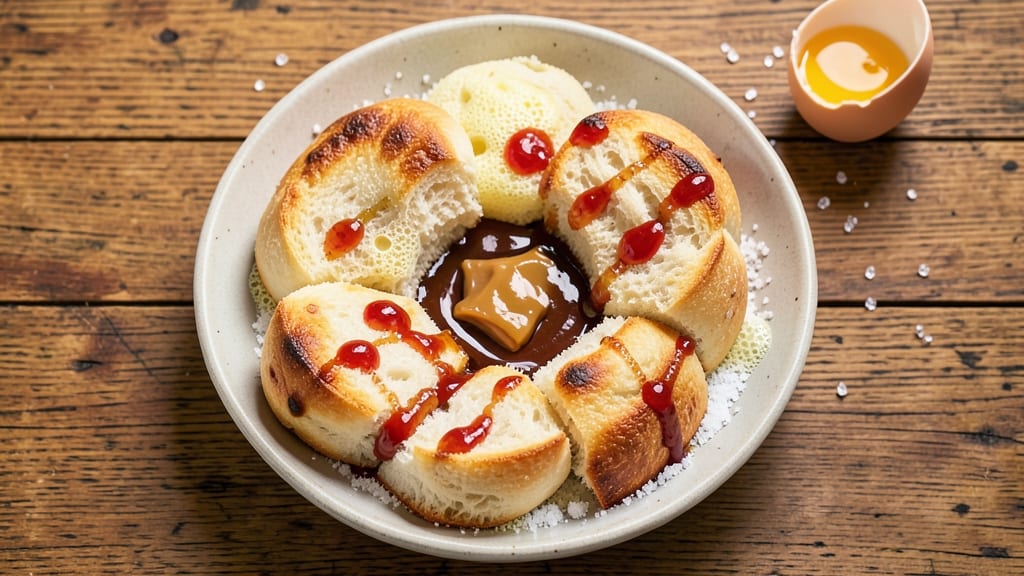
This Asian soft bread recipe delivers fluffy mantou with a texture so light it practically melts in your mouth—no kneading required. The secret lies in a simple dough that relies on time rather than effort, transforming basic ingredients into pillowy buns with just 15 minutes of active work.
I perfected this version after testing countless methods, and the results are consistently restaurant-quality at home.
The dough comes together with just flour, yeast, sugar, and warm water, then rests while you prepare your steamer. Unlike traditional recipes that demand hours of kneading, this version develops its signature softness through a 30-minute proof, creating an open, airy crumb that's impossible to resist.
The steam cooking method ensures every bun emerges perfectly tender with a delicate, almost custard-like interior.
What makes these mantou truly special is their versatility—enjoy them plain as a side dish, stuffed with sweet red bean paste, or filled with savory pork and scallion. The dough's forgiving nature means even beginners achieve golden-brown, crackly-skinned buns that stay soft for hours.
This recipe proves that the most impressive bread can come from the simplest ingredients when given proper care.
Whether you're serving them alongside a hearty stir-fry or using them to soak up soups, these mantou will become a staple in your weekly rotation. The best part?
You'll have warm, homemade bread on the table in under 45 minutes—no special equipment or advanced skills required. Let's get started on creating your perfect batch.
Ingredients for asian soft bread
Four simple ingredients transform into restaurant-quality mantou with just 15 minutes of active work.
| Ingredient | Amount | Notes |
|---|---|---|
| All-Purpose Flour 🌾 | 4 cups | Sifted for light texture |
| Active Dry Yeast 🍞 | 1 tbsp | Or 2.25g for precision |
| Granulated White Sugar 🍚 | ½ tbsp | Helps activate yeast |
| Warm Water 💧 | 1 ¼ cups | 110°F (43°C) ideal |
| Unsalted Butter 🧈 | ½ cup | Cold, cubed for texture |
| Large Egg 🥚 | 1 whole | Room temperature preferred |
| Diamond Crystal Kosher Salt 🧂 | ½ tsp | Adjust to taste |
| Vegetable Oil 🫒 | 1 tbsp | For greasing steamer |
| Sesame Seeds 🌻 | 1 tbsp | Optional for garnish |
| Red Bean Paste 🍫 | 1 ½ cups | For optional filling |
| Scallions 🧅 | 4 whole | Thinly sliced for filling |
| Ground Pork 🥓 | 1 lb | Optional savory filling |
The flour is non-negotiable here—King Arthur or Gold Medal brands give the best consistent results. Active dry yeast needs to be fresh, so check the date on the package. Trader Joe's often has it in small jars that stay potent longer. Warm water is crucial: too hot kills the yeast, too cold slows activation. I use a thermometer to hit 110°F (43°C) every time. For the butter, Plugrá or Land O'Lakes work perfectly, but avoid salted—you're controlling the seasoning. The egg should be room temperature to blend smoothly into the dough.
No yeast? Instant yeast works at half the amount. Running short on butter? Coconut oil or neutral oil keeps the texture light, though butter adds richness. The red bean paste can be swapped for black sesame paste or sweet lotus paste if you prefer. For a savory version, ground chicken or shrimp replaces pork. Scallions can be subbed with green onions or chives if needed. If your dough feels too sticky, add 1 tbsp more flour—it's better to err on the dry side for mantou.
The dough keeps beautifully in the fridge for 48 hours wrapped tightly in plastic. For longer storage, freeze shaped buns for up to 3 months. Steam them straight from frozen—just add 2-3 extra minutes to cooking time. Leftover mantou reheat beautifully in a steamer or microwave. I always make a double batch: one for the table, one for freezing. The sesame seeds, if using, toast in a dry pan for 30 seconds before sprinkling for extra flavor.
Why You'll Love This Recipe
- No-Knead Magic: I swear by this dough—just mix, let it rise, and shape. No stand mixer, no fancy tools, just a bowl and patience (well, 20 minutes of it). The yeast does all the work while I sip tea and pretend I’m not cooking.
- Butter Kiss: That warm, pillowy center with a whisper of buttery richness? It’s the kind of bread that makes you close your eyes. The sugar caramelizes just enough to give it a subtle sweetness, like a hug from your abuela’s kitchen.
- Breakfast to Snack: Serve it toasted with jam for a lazy morning or tear it into pieces for a quick snack with soup. Honestly, I’ve even used it as a bun for burgers—yes, even on a Tuesday night—and no one noticed it wasn’t store-bought.
- Lasts All Week: A single batch keeps in the fridge for days, and the flavor only gets better. Freeze extras for when you’re too tired to bake, then pop them in the oven for fresh-warm bread. Budget-friendly? More like generous.
Step-by-step instructions for fluffy mantou with pillowy, no-knead ease
Transform simple ingredients into tender, cloud-like mantou with this foolproof no-knead method.
Activate the Yeast and Mix the Dough
In a large mixing bowl, whisk together the 1.25 cups warm water (around 110°F) with the 0.5 tbsp granulated white sugar and 1 tbsp active dry yeast. Let this sit for 5-10 minutes until it becomes frothy and bubbles form on the surface—this confirms the yeast is alive and ready to work. If it doesn't bubble, your yeast may be dead, and you'll need to start over.
Once bubbly, add the 4 cups all-purpose flour and 0.5 tsp diamond crystal kosher salt to the bowl. Mix with a wooden spoon or your hands until a shaggy dough forms. Then add the 1 whole large egg and 0.5 cup unsalted butter (cold, cubed) and knead gently by hand for 3-4 minutes until the dough comes together. It should be soft but slightly tacky—not sticky enough to require flour, but not dry either. This dough is delicate, so handle it with care to avoid overworking.
First Rise and Prepare Fillings (If Using)
Lightly oil a large bowl with 1 tbsp vegetable oil, place the dough inside, and cover with a damp kitchen towel. Let it rise in a warm place (like an oven with the light on) for 1-2 hours, or until it has nearly doubled in size. The dough should feel spongy and airy when pressed gently—this indicates it's ready for shaping.
While the dough rises, prepare your fillings if using. For the red bean paste, simply spread 1.5 cups onto a clean surface. For the savory option, cook the 1 lb ground pork in a skillet over medium heat until browned, then mix in the 4 whole scallions (thinly sliced) and set aside to cool. These fillings will add depth to your mantou, but they're optional for a classic version.
Shape the Mantou and Second Rise
Turn the risen dough onto a lightly floured surface and divide it into 12 equal portions (about 3.5 ounces each). Roll each portion into a ball, then flatten slightly into a 3-inch round. If using fillings, place 1-2 teaspoons of red bean paste or pork mixture in the center of each round, then seal by pinching the edges together gently. The dough should remain smooth and intact—no need to overwork it.
Place the shaped mantou on a parchment-lined baking sheet, cover lightly with a damp towel, and let them rise again for 30-45 minutes until they've puffed slightly. They shouldn't double in size like the first rise, but they should feel lighter and airier to the touch. This second rise ensures that final bake will yield a soft, pillowy texture rather than a dense one.
Steam to Perfection
Preheat a steamer or large pot with a bamboo steamer insert over medium-high heat until water is boiling vigorously. Line the steamer with parchment paper (to prevent sticking) and arrange the mantou in a single layer, leaving 1 inch between each. Steam for 12-15 minutes until the tops are golden and the bread sounds hollow when tapped gently. Avoid overcrowding—they need space to rise evenly.
For extra flavor, sprinkle the 1 tbsp sesame seeds over the tops just before removing from the steamer. Let the mantou cool on a wire rack for 10 minutes before serving. The interior should be soft and fluffy, with a delicate crust that gives way to the pillowy center. Serve warm with tea or as a side to savory dishes.
Pro Tips For Making Asian Soft Bread
- Test Yeast First: Mix a tiny spoonful of yeast with warm water and sugar—wait 5-10 minutes for it to bubble like champagne. If it doesn’t, your dough’s gonna fight you later. (I learned this the hard way when my first batch sat there like a lump of disappointment.)
- Butter at Room Temp: Cut that cold butter into tiny cubes and let it sit for 30 minutes before mixing—no microwave shortcuts. Cold butter won’t melt into the dough evenly, and your bread will taste like it’s hiding something. (Yes, even if you’re impatient like me.)
- Knead Until Silky: Stop when the dough springs back slowly when poked and looks smooth, not sticky. Over-kneading makes it tough; under-kneading leaves it dense. (I used to eyeball it—now I check the windowpane test every time.)
- Steam the Pan: Spray the baking sheet with oil and add a handful of ice cubes to the oven while preheating. The steam keeps the bottom from browning too fast—your bread’s crust will stay soft and pillowy, not burnt at the edges. (Sounds weird, but it works.)
Creative variations of this recipe
Sweet Red Bean
Transform these mantou into sweet treats by filling them with 1.5 cups red bean paste, available at any Asian market or online. I recommend Lao Gan Ma brand for its perfect balance of sweetness and texture.
For a modern twist, mix in ½ cup chopped candied fruit or 1 tsp vanilla extract directly into the filling before sealing. These sweet versions pair beautifully with jasmine tea or as a dessert with black sesame sauce drizzled on top. 🍡
Savory Pork Scallion
For a savory option, cook 1 lb ground pork with 1 tbsp soy sauce, 1 tsp five-spice powder, and 4 whole scallions (thinly sliced) until fully browned. Let it cool before stuffing into the mantou.
This filling creates a rich, aromatic center that contrasts perfectly with the soft bread. I like to add a pinch of white pepper to the filling for extra depth. Serve these alongside hot pot or stir-fried noodles for a complete meal. 🥓
Cheese-Stuffed Twist
Swap the traditional fillings for a cheese version using 1 cup shredded mozzarella mixed with 2 tbsp cream cheese and 1 tsp garlic powder. This fusion-style mantou is perfect for breakfast or as a snack.
The cheese melts beautifully during steaming, creating a gooey center. For extra richness, add ¼ cup grated parmesan to the mix. These taste amazing with tomato sauce or as a side to charcuterie boards. 🧀
Matcha Green Tea
For a unique flavor profile, replace the sugar in the dough with 2 tbsp matcha powder (sifted) and add 1 tbsp honey to the warm water. This creates a delicate, earthy sweetness that pairs perfectly with white chocolate ganache or salted caramel filling.
The matcha gives the bread a vibrant green hue and a subtle bitterness that balances sweet fillings beautifully. Serve these with earl grey tea for a sophisticated afternoon treat. 🍵
Spiced Cinnamon
Add warmth to your mantou by mixing 1 tsp ground cinnamon and ½ tsp nutmeg directly into the dough. These spices complement both sweet and savory fillings wonderfully. For a holiday version, fill with apple butter and chopped pecans.
The spices enhance the bread's natural sweetness without overpowering. I like to brush the tops with egg wash before steaming for extra shine. These spiced mantou make a fantastic breakfast option. 🌟
Nutrition facts
Frequently asked questions
Why does my Asian soft bread turn out dense instead of fluffy?
Dense mantou usually means the dough wasn't given enough time to rise properly. Make sure your yeast is active (it should bubble within 5-10 minutes in warm water) and that you allow the full 1-2 hour first rise and 30-45 minute second rise. Also check your water temperature—it should be 110°F (43°C), not boiling hot.
Can I make this recipe without a steamer?
Use a large pot with a lid and a heatproof plate or rack to elevate the buns. Add 1-2 inches of water to the pot and bring to a rolling boil before placing the buns on the rack. Cover and steam for 12-15 minutes until golden. For extra steam, place a damp towel on the pot's lid.
How do I store leftover mantou?
Keep them fresh by storing in an airtight container at room temperature for 2-3 days. For longer storage, freeze shaped (unsteamed) buns for up to 3 months. To reheat, steam for 5-7 minutes or microwave for 20-30 seconds covered with a damp paper towel.
What's the difference between mantou and bao?
While both are soft Asian steamed breads, mantou are typically plain with a smoother texture, while bao often have fillings and a slightly denser, chewier crust. This recipe makes mantou-style buns—you can add fillings if desired, but the dough itself is designed for that classic pillowy texture without added ingredients.
Can I use whole wheat flour instead of all-purpose?
I don't recommend it for this recipe, as whole wheat flour's higher protein content and density can make the buns tough. If you must substitute, use only 50% whole wheat and 50% all-purpose flour, and add 1 extra tbsp oil to maintain tenderness. The texture will be slightly different but still edible.