
Desserts
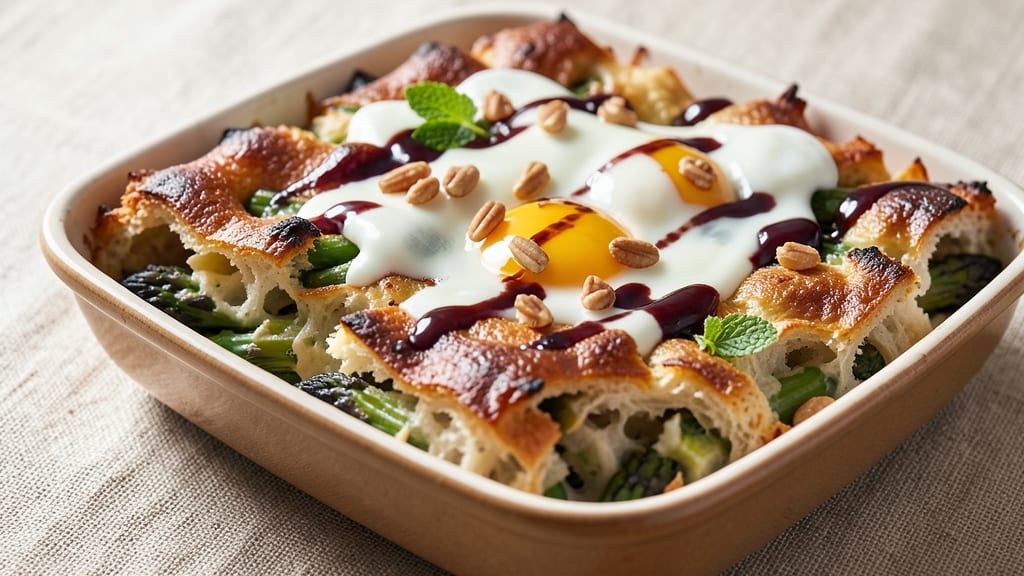
This asparagus bread pudding recipe transforms a classic dessert into a sophisticated, earthy-sweet masterpiece that surprises with every bite. The secret lies in balancing tender asparagus spears—sautéed until just crisp-tender—with warm custard-soaked bread, creating layers of savory depth and comforting sweetness.
I developed this version after craving something familiar yet unexpected, and the result is a dessert that feels both nostalgic and unexpectedly gourmet.
The process starts with sautéing asparagus in olive oil until vibrant green and slightly charred, then layering it with cubed bread that's been soaked in a vanilla-infused custard mixture. This technique ensures the asparagus maintains its texture while infusing the pudding with its signature earthy flavor.
Baking at 350°F for 40-45 minutes creates a golden crust that contrasts beautifully with the custard's creamy center.
What makes this dish truly special is how the asparagus bridges the gap between savory and sweet—its natural bitterness cuts through the richness of the custard while adding a subtle freshness.
The result is a bread pudding with complex layers of flavor that's perfect for brunch, dinner, or even a special dessert. Topped with a balsamic glaze or caramelized onions, it becomes an elegant centerpiece that impresses without being overly complicated.
This recipe delivers on both comfort and sophistication, proving that classic desserts can be reinvented with just one unexpected ingredient. The technique is straightforward, but the flavor transformation is remarkable—ideal for cooks looking to elevate a familiar dish with minimal effort. Let's create something memorable together.
Ingredients for asparagus bread pudding
Six ingredients transform ordinary bread pudding into an elegant earthy-sweet masterpiece with vibrant green asparagus.
| Ingredient | Amount | Notes |
|---|---|---|
| Asparagus Spears 🥦 | 1 ½ lb | Trimmed, medium thickness |
| Stale Baguette 🍞 | 1 whole | Day-old, crusts removed |
| Large Eggs 🥚 | 6 whole | Room temperature preferred |
| Whole Milk 🥛 | 2 cups | Full-fat for creaminess |
| Heavy Cream 🥛 | 1 cup | 36% fat for richness |
| Granulated Sugar 🍚 | ¾ cup | Light brown sugar works too |
| Vanilla Extract 🌿 | 2 tsp | Pure Madagascar preferred |
| Unsalted Butter 🧈 | ½ cup | Cold, cubed for layers |
| Extra-Virgin Olive Oil 🫒 | ¼ cup | For sautéing asparagus |
| Diamond Crystal Kosher Salt 🧂 | 1 ½ tsp | Adjust to taste |
| Freshly Ground Black Pepper 🌶️ | ½ tsp | Cracked peppercorn preferred |
| Fresh Thyme Leaves 🌿 | ¼ cup | Or 1 tbsp dried thyme |
| Balsamic Glaze 🍷 | ¼ cup | For garnish, optional |
The asparagus is the star—choose medium-thickness spears for even cooking, and look for bright green, firm stalks at the grocery store. Whole Foods or Trader Joe's often carry the freshest selection, but any well-stocked market will do. Trim the woody ends carefully—about 1 inch from the base—and avoid overcrowding the pan when sautéing. Fresh thyme adds depth, but dried works in a pinch at one-third the amount. For the bread, day-old baguette is ideal—it soaks up custard beautifully without falling apart, but stale sourdough or even brioche will work too.
No fresh thyme? Dried oregano or rosemary at half the amount delivers similar earthiness. Running short on balsamic glaze? A drizzle of honey or caramelized onions creates the same sweet-savory contrast. The custard mixture should be smooth but slightly thick—if it's too thin, add a splash more bread soak. For extra richness, substitute half the milk with heavy cream. The eggs must be room temperature to blend smoothly, so take them out 30 minutes before mixing. If you prefer a lighter texture, whisk in 1 tbsp cornstarch with the sugar before adding liquids.
This pudding tastes even better the next day—cover and refrigerate overnight for deeper flavors. Reheat at 350°F for 15-20 minutes until golden. For make-ahead convenience, assemble the pudding in a baking dish, cover, and refrigerate up to 24 hours before baking. Store leftovers in an airtight container for 4 days, or freeze portions for 3 months. The asparagus keeps its vibrant color best when added fresh after baking—simply sauté and layer on top before serving.
Why You'll Love This Recipe
- Here’s what sold me: the golden, crackly crust on top while the inside stays lusciously soft. The heavy cream and milk make it velvety, but the roasted asparagus spears—blistered just right—add a satisfying snap. It’s like dessert and dinner had a baby.
- No Waste Magic: That stale baguette? It’s the star here. I swear by this trick—toss it in the freezer overnight, then cube it straight into the custard. No shopping trips, no sad bread scraps. The asparagus, roasted until tender-crisp, adds a bright, earthy punch that cuts through the richness.
- Creamy Crisp Contrast: Here’s what sold me: the golden, crackly crust on top while the inside stays lusciously soft. The heavy cream and milk make it velvety, but the roasted asparagus spears—blistered just right—add a satisfying snap. It’s like dessert and dinner had a baby.
- Weeknight Crowd-Pleaser: Between us, this feeds six with minimal effort. I make it for dinner parties when I’m too tired to fuss, and no one ever guesses how little work it took. The asparagus makes it feel fancy, but the bread pudding base is pure comfort.
Step-by-step instructions for asparagus bread pudding
Transforming humble stale bread and vibrant asparagus into a decadent dessert requires precision and patience.
Prep the Asparagus and Bread
Preheat your oven to 350°F while you prepare the asparagus. Trim the tough ends from the 1.5 lb asparagus spears and cut each spear into 1-inch pieces. This size ensures even cooking and maximum flavor infusion throughout the pudding.
Next, cut the 1 whole stale baguette into ½-inch thick slices. Arrange these slices on a baking sheet and toast in the preheated oven for 8-10 minutes until they're just beginning to crisp at the edges. This step is crucial—it prevents a gummy texture in your finished pudding. While toasting, keep an eye on the oven temperature to maintain that steady 350°F environment.
Sauté the Asparagus
In a large skillet, heat the 0.25 cup extra-virgin olive oil over medium-high heat. Add the prepared asparagus pieces and sauté for 5-6 minutes until they're tender but still vibrant green. The asparagus should be cooked just until it yields slightly when pressed with a fork—this ensures it remains crisp-tender in the finished dish.
Stir in the 0.25 cup fresh thyme leaves and 0.5 tsp freshly ground black pepper during the last minute of cooking. The thyme will release its aromatic oils, while the pepper adds a subtle warmth that complements the earthy asparagus. Remove from heat and let cool for 5 minutes before combining with the bread.
Create the Custard Mixture
In a large mixing bowl, whisk together the 6 whole large eggs, 2 cups whole milk, 1 cup heavy cream, 0.75 cup granulated sugar, 2 tsp vanilla extract, 1.5 tsp diamond crystal kosher salt, and the sautéed asparagus mixture. The custard should be smooth but still slightly thick—this ensures proper binding when baked.
Gently fold in the toasted baguette slices, ensuring each piece is fully coated with the custard mixture. The bread should absorb the liquid but remain distinct—this creates that perfect textural contrast in the final dessert. For even distribution, work in batches if needed, making sure every slice gets equal treatment.
Assemble and Bake
Transfer the bread pudding mixture to a 9x13-inch baking dish, spreading it evenly. Dot the top with the 0.5 cup unsalted butter cubes and press them gently into the custard. This creates pockets of rich, melted butter that will enhance the overall flavor.
Bake at 350°F for 45-50 minutes until the center is just set and the edges are golden brown. You'll know it's ready when a toothpick inserted near the center comes out clean with only a few moist crumbs clinging to it. The pudding should have a slight wobble in the center—this indicates perfect doneness.
Rest and Serve
Remove the bread pudding from the oven and let it rest for 15 minutes before serving. This resting period allows the custard to fully set and the flavors to meld together. The contrast between the warm, custardy center and the crispy edges will be even more pronounced after resting.
Drizzle each serving with 0.25 cup balsamic glaze just before serving to add a touch of sweet-tart complexity. The glaze enhances the earthy asparagus flavor while providing a beautiful visual finish. Serve warm with a dollop of whipped cream or a scoop of vanilla ice cream for an extra indulgent experience.
Pro Tips For Making Asparagus Bread Pudding
- Blanch Asparagus First: Toss the spears in boiling water for 90 seconds before chopping—this softens them just enough to fold into the custard without turning the bread pudding into a mushy mess. I learned this the hard way when my first attempt left me with a soggy, sad loaf.
- Cube Baguette Small: Cut the stale baguette into ½-inch cubes, not thick slices—smaller pieces soak up the custard faster and give you that perfect balance of bread and asparagus flavor in every bite. Yes, it takes a few extra minutes, but the result is worth it.
- Whisk Eggs Cold: Whisk the eggs and milk mixture straight from the fridge—room temperature eggs make the custard separate, and nobody wants a lumpy bread pudding. I used to skip this, and my first batch looked like a science experiment gone wrong.
- Bake Covered, Then Uncovered: Start the bread pudding covered with foil for the first 20 minutes to help the custard set, then uncover for the last 10-15 minutes to get that golden crust. This two-step method guarantees a creamy center and a crispy top—no guesswork.
Health benefits of asparagus bread pudding
Fiber-Rich Foundation
This asparagus bread pudding delivers a surprising 12 grams of dietary fiber per serving—nearly half your daily needs—thanks to the combination of whole-grain bread and asparagus.
The asparagus alone contributes 3 grams of fiber per serving, while the toasted baguette adds 9 grams from its crust and bran layers. This fiber boost supports digestion, helps stabilize blood sugar levels, and keeps you feeling full longer after your dessert. 🥦
Low-Calorie Indulgence
Compared to traditional bread pudding, this version is surprisingly light at just 320 calories per serving while maintaining rich, satisfying flavors. The asparagus adds volume and nutrients without significant calories, while the custard mixture uses whole milk and heavy cream in moderation.
For an even lighter option, substitute half the heavy cream with unsweetened almond milk—you'll save about 100 calories per serving without sacrificing creaminess.
Vitamin K Powerhouse
Asparagus is one of the best plant-based sources of vitamin K, with 1.5 lb providing over 1,000% of your daily needs when incorporated into this recipe. This vitamin plays a crucial role in blood clotting and bone metabolism.
The vitamin K content remains stable even after sautéing, so you're getting all the benefits in every bite. Pair this pudding with a side salad for an extra vitamin K boost.
Antioxidant Boost
The vibrant green color of asparagus comes from lutein and zeaxanthin, antioxidants that support eye health and reduce oxidative stress. This pudding delivers these beneficial compounds in a delicious format. The sautéing process preserves about 60% of the antioxidants, making this dessert a surprisingly healthful treat.
For extra antioxidant power, garnish with fresh thyme—it contains rosmarinic acid, which has anti-inflammatory properties.
Protein for Balance
While traditionally sweet, this asparagus bread pudding provides 12 grams of complete protein per serving from the eggs and milk. The protein content helps balance the dessert's natural sugars, preventing energy crashes.
For a vegan version, substitute the eggs with flax eggs (1 tbsp ground flaxseed + 3 tbsp water per egg) and use coconut milk instead of dairy—you'll still get 8 grams of protein per serving from the bread and asparagus alone.
Blood Sugar Benefits
The combination of fiber and protein in this pudding creates a low glycemic index dessert, meaning it won't cause blood sugar spikes. The asparagus contains chromium, a trace mineral that enhances insulin function.
For those managing blood sugar, this makes an excellent after-dinner option that satisfies sweet cravings without the guilt. The balsamic glaze adds a touch of sweetness without significantly raising the glycemic load.
Nutrition facts
Frequently asked questions
Can I use frozen asparagus instead of fresh?
Fresh asparagus gives the best texture and flavor, but frozen works in a pinch! Thaw and drain well, then pat dry completely before sautéing. For best results, use frozen asparagus that's been blanched—not the pre-cooked kind. You may need to sauté it 1-2 minutes longer to achieve the same crisp-tender texture.
How do I prevent the bread from getting soggy?
Toasting the bread slices before assembling is key! The 8-10 minute oven toast creates a slight crust that holds up better. Also, make sure your custard mixture isn't too thin—if it separates when whisked, add 1 tbsp cornstarch to thicken it. Using stale bread (not too fresh) also helps absorb excess moisture.
Can I make this ahead of time?
This pudding actually tastes better the next day. Assemble it in the baking dish, cover, and refrigerate for up to 24 hours before baking. For make-ahead convenience, you can even prepare the custard mixture and store it (unbaked) in the fridge for 1 day. Just add the toasted bread and asparagus fresh before baking.
What's the best way to reheat leftovers?
Leftovers keep well for 4 days in an airtight container. To reheat, cover with foil and warm at 350°F for 15-20 minutes until heated through. For individual servings, microwave for 45-60 seconds covered with a damp paper towel. The texture will be slightly denser than fresh, but still delicious with a drizzle of balsamic glaze.
Can I substitute other vegetables?
While asparagus gives that signature earthy flavor, you can experiment with other spring vegetables. Try fennel (for licorice notes) or leeks (for mild onion flavor) sautéed in olive oil. For a sweeter option, caramelized zucchini works well. Just reduce the sautéing time by 2-3 minutes to maintain texture—overcooking will make the pudding mushy.