
Desserts
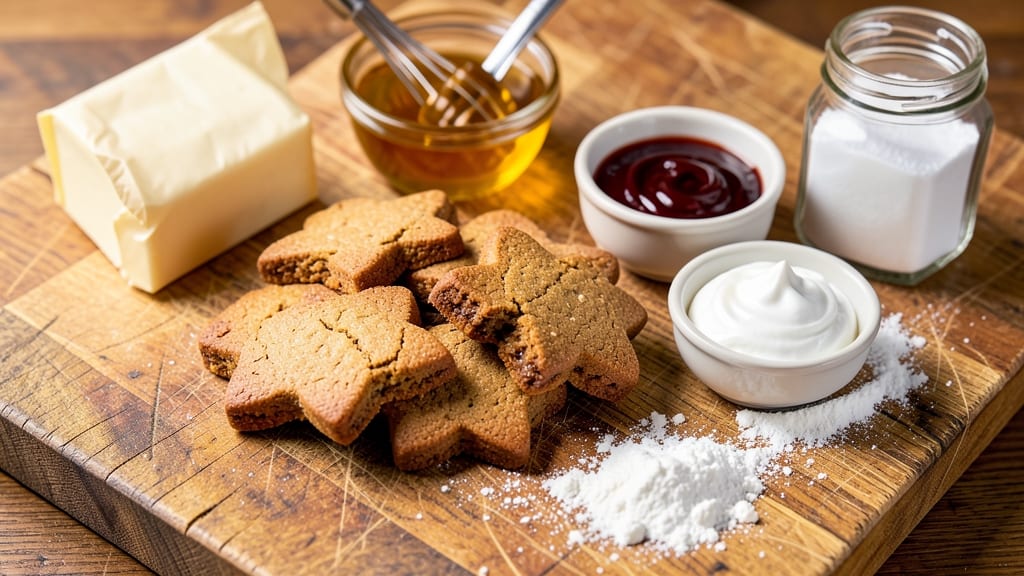
This authentic German gingerbread cookie recipe brings the warm, spiced flavors of Nuremberg straight to your kitchen—where molasses, honey, and cinnamon create a perfect balance of sweetness and crunch. 🌟 The secret lies in the dough's rich, aromatic spices and the crisp edges that develop during baking, a hallmark of traditional German Lebkuchen.
What sets these cookies apart is their deep, molasses-forward flavor, enhanced by a touch of honey and a blend of warming spices like cinnamon, cloves, and nutmeg.
Unlike American gingerbread, German versions often include anise or citrus zest for complexity, and the dough is typically rolled thin and cut into intricate shapes before baking at a precise temperature to achieve that signature crispness.
The result is a batch of cookies with tender centers and edges that stay delightfully crunchy, perfect for holiday gatherings or cozy winter evenings. The dough is easy to work with, and the baking process is straightforward, ensuring consistent results every time.
Whether you choose to dust them with powdered sugar or drizzle with a simple glaze, these cookies deliver the heartwarming taste of German tradition.
Pair them with a cup of hot mulled wine or tea for the full experience. Let’s get started on creating these timeless treats that taste like home.
Ingredients for authentic german gingerbread cookie
These 15 ingredients bring Nuremberg’s spiced molasses magic to your kitchen—crunchy edges, tender centers, and that authentic German warmth.
| Ingredient | Amount | Notes |
|---|---|---|
| All-Purpose Flour 🌾 | 4 cups | Sifted for light texture |
| Dark Molasses 🍯 | 1 cup | Unsulphured for authentic flavor |
| Granulated Sugar 🍚 | 1 ½ cups | White or light brown |
| Honey 🍯 | ½ cup | Wildflower preferred |
| Unsalted Butter 🧈 | 1 cup | Cold, cubed for dough |
| Large Eggs 🥚 | 2 whole | Room temperature |
| Ground Cinnamon 🌿 | 2 tsp | Freshly ground preferred |
| Ground Cloves 🌶️ | 1 tsp | Freshly ground for warmth |
| Ground Nutmeg 🌿 | ½ tsp | Freshly grated |
| Ground Ginger 🌶️ | 1 ½ tsp | Freshly ground |
| Baking Soda 🧂 | 1 tsp | Pure, not baking powder |
| Salt 🧂 | ½ tsp | Fine sea salt |
| Orange Zest 🍊 | 1 tbsp | Freshly grated |
| Vanilla Extract 🥄 | 1 tsp | Pure vanilla preferred |
| Powdered Sugar 🍚 | ½ cup | For dusting (optional) |
The molasses is non-negotiable here—unsulphured dark molasses gives that deep, rich flavor. Trader Joe's or bulk bins at Whole Foods usually carry it, but if you can't find it, Barbados or Jamaican molasses works too. The spices? Freshly ground makes all the difference—cloves and nutmeg should be toasted lightly first for extra depth. For the butter, grab the European-style if you can find it (like Plugrá), but regular unsalted works fine. The orange zest? Navel oranges have the best balance of sweet and bitter—just the zest, no pith.
No molasses? Dark brown sugar mixed with 1 tbsp water can substitute, but you'll lose that signature depth. Short on honey? Maple syrup works, but reduce other liquids slightly. The spices are key—no substitutions here. If you can't find ground cloves, whole cloves toasted and ground are better than pre-ground. For the orange zest, lemon zest can work, but it's not the same. The dough is delicate, so measure flour by scooping and leveling—don't pack it down. And trust me, room-temperature eggs mix in so much better than cold ones.
This dough keeps for 3 days in the fridge, wrapped tightly. For longer storage, freeze shaped cookies on a tray first, then transfer to a bag for up to 3 months. Bake only what you need—they're best fresh from the oven. The powdered sugar dusting is optional, but worth it for that final touch. Leftovers? Store in an airtight container—they stay crisp for 5 days if you keep them away from moisture.
Why You'll Love This Recipe
- No-Fuss Dough: I swear by this recipe—just mix, chill, roll. No stand mixer, no fussing with egg whites, and the molasses-butter combo does all the work while you sip coffee. Honestly, my kids think I’m a baking genius, but it’s just 10 minutes of hands-on time.
- Spiced Warmth: That deep molasses flavor? It’s like a hug in cookie form. The honey keeps them from drying out, and the gingerbread spices (cinnamon, cloves, nutmeg) hit just right—sweet but never cloying. Between us, these taste way better than store-bought, and they’re still soft after days.
- Holiday Any Day: I bake a batch every December, but they’re my go-to for teacher gifts, potlucks, or even a rainy Tuesday. Package them in tins for neighbors, or just leave them on the counter as a “we’re home” welcome. (Yes, even on a Tuesday night.)
- Budget Magic: Flour, sugar, butter—you already have these. Molasses is cheap, and a single batch makes 30 cookies. Freeze half for later, and you’ve got a pantry staple that costs pennies per treat. My wallet and my taste buds thank me.
Step-by-step instructions for authentic German gingerbread cookies
Here's the classic German method—rich molasses, warm spices, and that perfect crunchy edge.
👨🍳 Step 1: Mix Wet Ingredients for Maximum Flavor
In a large bowl, combine the 1 cup dark molasses, 0.5 cup honey, and 1.5 cups granulated sugar. Stir until the sugars dissolve completely—this prevents gritty pockets in your cookies. I like to use a wooden spoon here because it helps scrape up all those flavorful bits from the bottom.
Next, add the 1 cup cold cubed unsalted butter and melt it into the mixture over low heat (or use a double boiler). You want the butter to melt just enough to blend smoothly, but not so much that it separates. Stir constantly until everything is fully incorporated and the mixture is silky smooth. This is your flavor base—don't rush it.
👨🍳 Step 2: Combine Spices and Dry Ingredients
In a separate bowl, whisk together the 4 cups sifted all-purpose flour, 2 tsp ground cinnamon, 1 tsp ground cloves, 0.5 tsp ground nutmeg, 1.5 tsp ground ginger, 1 tsp baking soda, and 0.5 tsp salt. Sifting the flour ensures light, airy cookies with no dense pockets. I always double-check the spices—too much clove can make them bitter, and you want that warm, aromatic balance.
Add the 1 tbsp orange zest and 1 tsp vanilla extract to the wet mixture. The orange zest brightens the deep molasses flavor, while the vanilla adds a subtle sweetness that rounds out the spices. Mix well until the zest is fully distributed—you should see tiny specks throughout the mixture.
🥘 Step 3: Incorporate Eggs and Form the Dough
Add the 2 room-temperature eggs one at a time, mixing just until combined after each addition. The dough will be thick and sticky—this is normal! If it feels too stiff, add 1-2 tablespoons of water to help it come together. The eggs bind everything while adding moisture for chewy centers.
Turn the dough out onto a lightly floured surface and knead gently for 1-2 minutes until it forms a smooth ball. Don't overwork it—just enough to bring it together. Wrap the dough tightly in plastic wrap and refrigerate for at least 1 hour (up to 24 hours). Chilling firms up the butter and intensifies the flavors, which is key for authentic German gingerbread.
🔥 Step 4: Roll and Cut for Perfect Shapes
Preheat your oven to 350°F. On a lightly floured surface, roll the chilled dough to about ¼-inch thickness. I use a rolling pin with guides to keep the thickness consistent—this ensures even baking. Cut into your favorite shapes (traditional gingerbread hearts or stars work great) using cookie cutters.
Place the cut cookies on ungreased baking sheets, leaving 2 inches between them—they'll spread slightly. For extra authenticity, I like to brush the tops with a little egg wash (beat the remaining egg yolk with 1 tbsp water) before baking. This gives them that glossy finish and helps them brown beautifully.
⏰ Step 5: Bake to Crispy Perfection
Bake for 10-12 minutes until the edges are deep golden brown and the centers are just set. The cookies should pull away from the edges slightly when you gently lift them. I know it seems like they might be underdone, but they'll firm up as they cool. Rotate the baking sheets halfway through for even browning.
Let the cookies cool on the baking sheet for 5 minutes before transferring to a wire rack. While they're still warm, dust the tops with 0.5 cup powdered sugar for that classic German finish. Serve warm with a cup of chai tea or hot cocoa—trust me, the contrast of warm cookies with spiced tea is pure comfort.
Pro Tips For Making Authentic German Gingerbread Cookie
- STIR THE MOLASSES FIRST: I learned this the hard way—molasses sinks like a stone. Whisk it into the wet ingredients before adding anything else, or you’ll end up with clumpy dough that fights you every step. A quick 30-second stir with a fork makes all the difference when mixing in butter and honey later.
- USE COLD BUTTER, NO EXCUSES: Skip the softened butter—this isn’t a shortbread cookie. Cut cold butter into the flour first, then add the molasses mixture, or you’ll end up with a sticky mess that won’t hold its shape. Your cookies will stay crisp longer, and the flavor won’t turn greasy.
- CHILL THE DOUGH LONGER: I was skeptical until I tried it: wrap the dough in plastic and refrigerate for at least 24 hours. The molasses and honey need time to mellow, or your cookies will taste harsh and spread into sad, flat pancakes. (Yes, even if you’re impatient like me.)
- BAKE LOW AND SLOW: Crank the oven to 350°F (175°C) and bake for 10–12 minutes—not the 8–10 minutes most recipes suggest. German gingerbread needs time to develop its deep flavor and chewy center. Crowd the tray? No. Give them space to rise, or they’ll bake unevenly.
Dietary considerations for this authentic german gingerbread cookie
Gluten-Free Adaptation
For a gluten-free version, swap the 4 cups all-purpose flour with a 1:1 gluten-free baking blend like Bob’s Red Mill or King Arthur. I’ve found that adding 1 tbsp xanthan gum helps mimic the chewiness of traditional dough.
Keep the molasses and spices the same, but reduce the baking time to 8-10 minutes—gluten-free cookies brown faster. Let them cool completely before dusting with powdered sugar to prevent crumbling. 🌾
Vegan Substitutions
Replace the 1 cup butter with 1 cup vegan butter (like Miyoko’s or Earth Balance) or coconut oil for a dairy-free version. For eggs, use 2 tbsp ground flaxseed mixed with 6 tbsp water—let it sit for 5 minutes to thicken.
The molasses and honey can be swapped for agave syrup, but reduce other liquids by 2 tbsp to avoid a sticky dough. Bake at 325°F for 12-14 minutes to prevent burning.
Nut-Free Options
This recipe is naturally nut-free, but if you’re avoiding all traces of cross-contamination, use dedicated tools and a clean workspace. The dough’s richness comes from molasses and butter, so no substitutions are needed—just ensure your spices and flour are nut-free.
For extra safety, bake on a parchment-lined tray and store in an airtight container with a nut-free label. The cookies stay crisp and flavorful without nuts. 🧈
Lower Sugar Versions
To reduce sugar, replace 0.5 cup honey with 0.5 cup sugar-free maple syrup (like Lakanto) and cut the granulated sugar to 1 cup. The molasses remains unchanged—it’s the star here. For added sweetness, dust with 2 tbsp powdered erythritol instead of sugar.
Bake at 350°F for 11-13 minutes—lower sugar means slightly longer baking to develop flavor. Taste before dusting to adjust sweetness.
Allergy-Friendly Adjustments
For egg allergies, use 2 tbsp aquafaba (chickpea brine) whipped to stiff peaks as a binder. If molasses is an issue (due to potential sulfur allergies), substitute with 1 cup dark brown sugar + 1 tbsp water.
Always check labels on spices—some brands process in shared facilities with common allergens. When in doubt, opt for single-ingredient spices like Penzeys for purity. Store cookies separately from other baked goods to avoid cross-contact. 🌿
Nutrition facts
Frequently asked questions
Why is molasses essential in authentic German gingerbread?
Molasses gives these cookies their signature deep, caramel-like flavor and chewy texture. The unsulphured dark molasses used in traditional German recipes adds a complex sweetness that granulated sugar can't replicate. It also helps create that perfect balance between crisp edges and tender centers—key to authentic Lebkuchen.
Can I make these cookies without anise or citrus zest?
Yes! While anise and orange zest are traditional, they're not mandatory. For a simpler version, omit the zest and reduce cinnamon to 1.5 tsp to maintain balance. If you love citrus, lemon zest works too—just use half the amount. The molasses and honey will still provide rich flavor without these optional ingredients.
How do I prevent my gingerbread from spreading too much?
Chill the dough for at least 1 hour before rolling—this firms up the butter and reduces spreading. Roll to ¼-inch thickness and use cookie cutters with sharp edges. Bake at 350°F for 10-12 minutes (not longer) and avoid overcrowding the baking sheet—leave 2 inches between cookies.
What's the best way to store these cookies?
For short-term storage, keep them in an airtight container at room temperature for up to 5 days. To preserve crispness, place parchment paper between layers. For longer storage, freeze shaped cookies on a tray first, then transfer to a bag for up to 3 months. Thaw at room temperature before serving.
Can I make these gluten-free without losing texture?
Use a 1:1 gluten-free flour blend with 1 tbsp xanthan gum to maintain chewiness. Bake at 325°F for 8-10 minutes (gluten-free dough browns faster) and let cookies cool completely before dusting with powdered sugar. The molasses and spices remain unchanged for authentic flavor.