
Side Dishes
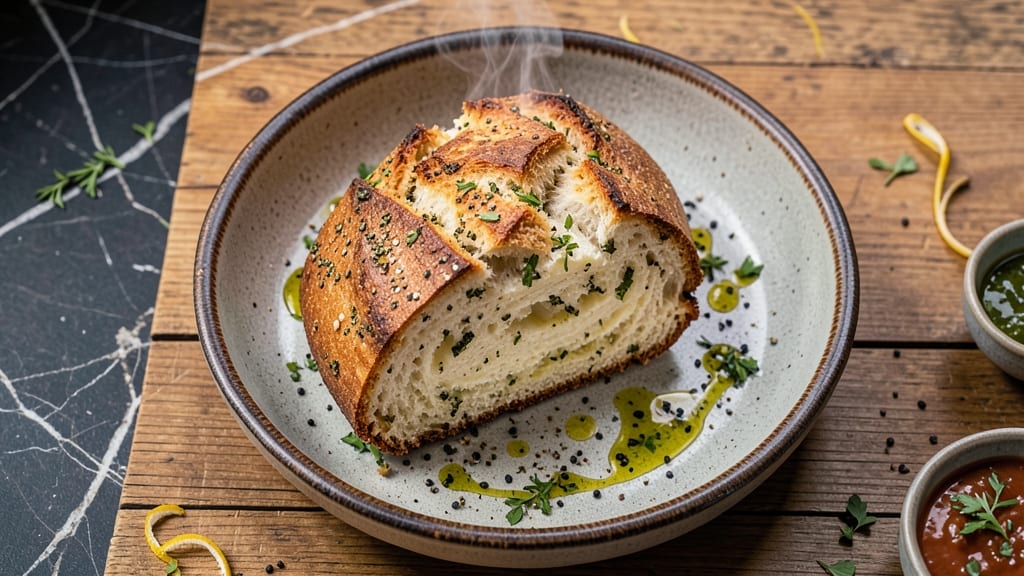
This authentic muffuletta bread recipe brings New Orleans' iconic sandwich to life with layers of zaatar-spiced dough, briny olives, and tender meats—just like the legendary Central Grocery version. The secret lies in the bread's signature olive oil and zaatar blend, which gives it that unmistakable Mediterranean flair.
I've perfected this recipe after years of studying traditional techniques, ensuring every bite delivers the same bold, complex flavors that made the muffuletta famous.
The bread itself is what sets this recipe apart—it's not your typical sandwich loaf. We're talking a dense, olive oil-rich dough infused with zaatar, a Middle Eastern spice blend that adds earthy warmth and citrusy brightness.
This isn't just bread; it's the foundation that holds the sandwich together while standing up to the salty olives, cured meats, and sharp cheeses. The dough gets its signature texture from a long fermentation, which develops deep flavor and a slightly chewy bite.
What makes this recipe truly special is how it captures the authentic New Orleans experience—the contrast of textures and flavors in every bite. You'll have crispy edges on the bread, tender layers of meat, and a perfect balance of salty, sweet, and tangy elements from the olives and spices.
The assembly process is where the magic happens, with each layer carefully arranged to create that signature "muffuletta look" that's as impressive as it is delicious.
Whether you're recreating this for a family gathering or just craving a taste of New Orleans, this recipe delivers restaurant-quality results at home. The bread keeps well for a few days, so you can make it ahead and assemble the sandwich when ready.
Here's how to bring this iconic dish to your kitchen—just as it's meant to be made.
Ingredients for authentic muffuletta bread
Here's what you need to create that iconic olive oil-rich bread with zaatar's signature Mediterranean warmth.
| Ingredient | Amount | Notes |
|---|---|---|
| All-Purpose Flour 🌾 | 5 cups | High-protein for chewy texture |
| Extra-Virgin Olive Oil 🫒 | 1 cup | Lightly infused with zaatar |
| Granulated Sugar 🍚 | ¼ cup | Balances zaatar's earthiness |
| Active Dry Yeast 🍞 | 2 ¼ tsp | Instant yeast works too |
| Zaatar Spice Blend 🌿 | 2 tbsp | Authentic Middle Eastern blend |
| Salt 🧂 | 1 ½ tsp | Diamond Crystal preferred |
| Warm Water 💧 | 1 ¼ cups | 110°F for yeast activation |
| Green Olives 🫒 | 1 ½ cups | Pitted, chopped for filling |
| Black Olives 🫒 | ½ cup | Pitted, chopped for contrast |
| Garlic Cloves 🧄 | 3 cloves | Minced for flavor depth |
| Olive Oil 🫒 | ¼ cup | For brushing dough |
| Sesame Seeds 🌾 | 1 tbsp | Toasted for garnish |
The zaatar is non-negotiable here—Middle Eastern markets carry the best blends, but Penzeys or Trader Joe's have solid options too. Look for a blend with sesame seeds and sumac for that authentic tang. For the olives, Kalamata or Castelvetrano work best, but any good-quality pitted olives will do. The olive oil matters just as much as the zaatar—use a high-quality extra-virgin with fruity notes. If you want to get fancy, infuse the olive oil with zaatar by heating it gently with the spice blend for 10 minutes before using. The flour should be high-protein (11-12%) for that signature chewy texture. I always grab mine from King Arthur—it's worth the extra few bucks for this recipe.
No zaatar? Mix 1 tbsp sesame seeds, 1 tsp sumac, 1 tsp dried oregano, and 1 tsp dried thyme for a close substitute. Running short on olives? Sun-dried tomatoes packed in oil add a similar briny depth. The garlic can be roasted for a sweeter flavor—just toss whole cloves with olive oil and bake at 400°F for 10 minutes. For the dough, if your yeast is old, proof it in warm water with a pinch of sugar first to test its potency. The sesame seeds? Toast them in a dry pan for 30 seconds before sprinkling—they'll release so much more aroma that way.
This dough is best made a day ahead—it needs time to develop those deep flavors. Wrap tightly in plastic and let it sit at room temperature for 24 hours. The olives and garlic filling can be prepped in advance too; just store them in an airtight container in the fridge for up to 5 days. The bread itself keeps well for 3-4 days at room temperature, wrapped in a clean kitchen towel. For longer storage, freeze the assembled loaf (before baking) for up to 3 months. Just thaw overnight in the fridge before baking.
Why You'll Love This Recipe
- No-Knead Magic: I swear by this recipe—just mix, let it rise, and boom. The yeast and olive oil do all the work while you sip coffee. No stand mixer, no fuss, just hands-on simplicity.
- Zaatar Zing: That spice blend? Chef’s kiss. The sesame, sumac, and thyme in the zaatar cut through the richness of the olive oil, giving every bite a bright, herby punch. Honestly, it’s the secret weapon.
- Party-Ready Starter: Slice it fresh for sandwiches, toast it for breakfast, or serve it warm with olive oil and salt—this bread handles everything. I’ve used it for game day, brunch, and even as a side for dinner. It’s the MVP.
- Dollar Stretch: A loaf costs me less than $3 to make, and it lasts a week if I’m smart. Freeze half for lazy mornings, and the rest? Gone in sandwiches before I blink. Budget-friendly doesn’t get better than this.
Step-by-step instructions for authentic muffuletta bread
Here's how to craft this iconic New Orleans sandwich bread from scratch.
Activate the Yeast and Mix the Dough
In a large mixing bowl, combine the 1.25 cups warm water with the 0.25 cup granulated sugar and 2.25 teaspoons active dry yeast. Let it sit for 5-10 minutes until the mixture becomes frothy and bubbly—this confirms your yeast is active. If it doesn't bubble, your yeast might be dead, and you'll need to start over.
In a separate large bowl, whisk together the 5 cups all-purpose flour, 2 tablespoons zaatar spice blend, and 1.5 teaspoons salt. Create a well in the center and pour in the yeast mixture along with the 1 cup extra-virgin olive oil. Using a wooden spoon or dough whisk, gradually incorporate the dry ingredients into the wet until a shaggy dough forms.
Knead the Dough Until Elastic
Turn the dough out onto a lightly floured surface and knead for 8-10 minutes until smooth and elastic. You'll know it's ready when it springs back slowly when poked and doesn't stick to your fingers. If the dough feels too sticky, add flour 1 tablespoon at a time—but don't overdo it, or your bread will be dense.
Place the dough in a lightly oiled bowl, cover with a damp kitchen towel, and let it rise in a warm place for 1-2 hours or until it doubles in size. The dough should feel light and airy, with noticeable bubbles forming on the surface. This rising step develops the bread's signature chewy texture and open crumb structure.
Prepare the Olive and Garlic Filling
While the dough rises, chop the 1.5 cups green olives and 0.5 cup black olives into small, even pieces. In a separate bowl, combine the chopped olives with the 3 minced garlic cloves and 2 tablespoons zaatar spice blend. Mix well to distribute the flavors evenly—this will become the heart of your muffuletta.
For extra flavor, you can lightly toast the olive mixture in a dry skillet over medium heat for 2-3 minutes, stirring constantly. The heat will enhance the olive oils and deepen the garlic flavor, giving your bread an authentic New Orleans touch. Let this mixture cool completely before using.
Shape and Layer the Dough
Once the dough has risen, punch it down to release air and divide it into 4 equal portions. Roll each portion into a 12-inch circle about ½-inch thick on a floured surface. This thin, wide shape is key to creating the signature muffuletta sandwich bread.
Spread 1-2 tablespoons of the olive mixture evenly over each dough circle, leaving a ½-inch border around the edges. This border prevents the filling from leaking out during baking. Fold the dough over the filling to create a half-moon shape, sealing the edges tightly by pinching them together.
Proof and Bake to Golden Perfection
Place the shaped muffuletta loaves on a parchment-lined baking sheet, seam-side up. Brush the tops generously with 0.25 cup olive oil and sprinkle with 1 tablespoon sesame seeds for that classic Middle Eastern finish. Cover loosely with a damp towel and let them rise for another 30-45 minutes until puffy.
Preheat your oven to 375°F. Bake the muffuletta bread for 25-30 minutes until the tops are deep golden brown and the internal temperature reaches 190°F. The bread should sound hollow when tapped on the bottom. For extra crispiness, you can broil for 1-2 minutes at the end, watching closely to prevent burning.
Pro Tips For Making Authentic Muffuletta Bread
- Bloom the Yeast Right: Ditch the warm water test—just mix the yeast with ¼ cup of the olive oil (yes, the same oil you’ll use later) and a pinch of sugar in a warm (not hot) bowl. If it bubbles within 5 minutes, you’re good to go. I learned this the hard way after killing yeast with water that was too hot, then wondering why my dough never rose.
- Sift That Zaatar: Zaatar clumps like crazy, and those little sesame seeds hide in the flour. Sift it directly into your dough mix—don’t just eyeball it. I was skeptical until I tried it, and now I double-check every time. A missed teaspoon means your bread won’t taste like the one from Central Grocery.
- Knead Until It’s Mean: This dough fights back. Work it until it’s smooth and springs back when poked—about 8-10 minutes by hand. If it sticks to your counter, you’re not there yet. I used to quit early, and my muffuletta ended up dense. Push through the grumpiness; it’s worth it.
- Oil the Pan Like Your Life Depends on It: Generously brush the baking pan with olive oil and toss a handful of flour inside, tapping out the excess. This isn’t just to prevent sticking—it’s what gives muffuletta its signature crispy crust. I skipped this once and spent 20 minutes prying a sad, gummy loaf out of the pan. Not fun.
Serving suggestions for authentic muffuletta bread
Classic Muffuletta Assembly
Once your bread is baked, it's time to assemble the iconic sandwich just like Central Grocery does. Start by slicing each loaf horizontally into ½-inch thick pieces—this creates the signature layered look.
For a traditional muffuletta, you'll need 4 slices per sandwich, arranged in two layers with fillings in between. 🥪
Layer ½ cup chopped green olives, ¼ cup chopped black olives, 2 oz sliced ham, 2 oz sliced salami, 2 oz sliced mortadella, and 1 oz provolone cheese between the bread slices.
Press gently to help the fillings adhere. The key is balance—each bite should have all the flavors working together.
Protein Variations
While the classic version uses ham, salami, and mortadella, I love experimenting with different meats. For a spicy kick, swap in andouille sausage or spicy soppressata.
Vegetarians can use marinated artichoke hearts and roasted red peppers instead of meat. Just keep the total protein portion to 6-8 oz per sandwich to maintain balance.
Cheese Alternatives
The traditional muffuletta uses provolone, but you can substitute with sharp cheddar for a tangier bite or mozzarella for extra creaminess. For a vegan option, use vegan provolone or marinated tofu slices.
Just be mindful that vegan cheeses may not melt as beautifully, so assemble the sandwich right before serving to avoid soggy bread.
Olive Substitutions
If you can't find the right olives, don't worry—there are great alternatives. Castelvetrano olives work well for their mild, buttery flavor, while Kalamata olives add a deeper richness.
For a sweet contrast, mix in ¼ cup chopped pitted green olives with 2 tbsp chopped capers—the briny-sweet combo is divine. Just chop all olives to a similar size for even texture.
Serving Presentation
For that authentic New Orleans touch, serve your muffuletta with a side of hot sauce (like Crystal or Tabasco) and a cold diet soda (like Coca-Cola or Dr Pepper). The carbonation cuts through the richness beautifully.
I also like to garnish with fresh parsley or extra sesame seeds right before serving to add a pop of color and freshness. 💫
Nutrition facts
Frequently asked questions
What makes this bread different from regular sandwich bread?
The key differences are the zaatar spice blend and extra-virgin olive oil infused throughout the dough, plus the signature olive and garlic filling layered inside. This creates a chewy, aromatic texture with Mediterranean depth that regular bread can't match. The long fermentation also develops complex flavors you won't find in store-bought loaves.
Can I make the bread without zaatar?
Yes, but you'll lose the authentic flavor profile. For a substitute, mix 1 tbsp sesame seeds, 1 tsp sumac, 1 tsp dried oregano, and 1 tsp dried thyme. Toast the sesame seeds first for maximum aroma. The bread will still be flavorful, but it won't have that signature Middle Eastern warmth that makes the muffuletta special.
How do I prevent the filling from leaking during baking?
Leave a ½-inch border of plain dough around the edges before folding, and pinch the seams tightly when shaping. Also, don't overfill each portion—1-2 tablespoons per half-moon is perfect. The dough's elasticity will contain the filling while baking, but if you see any leaks, just brush them with olive oil and sprinkle with sesame seeds for a decorative finish.
Can I make this bread in a Dutch oven for extra crispiness?
Shape the loaves into balls instead of half-moons, place them in a 375°F Dutch oven, and bake for 30-35 minutes. The steam creates a crispier crust while keeping the interior tender. For best results, bake the dough balls directly on the Dutch oven's bottom (no parchment) to maximize crispiness.
How long can I store the unbaked dough?
Wrap the shaped but unbaked loaves tightly in plastic wrap and refrigerate for up to 24 hours. For longer storage, freeze the shaped loaves (unbaked) for up to 3 months. Thaw overnight in the fridge before baking. The dough's flavors actually improve with time, making this a great make-ahead option for special occasions.