
Main Courses
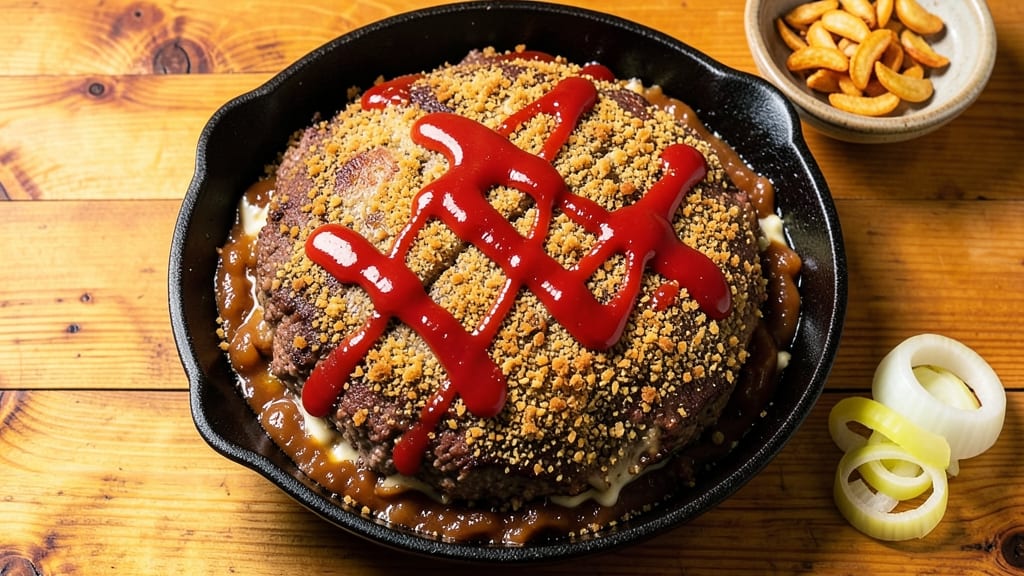
This 2 lb meatloaf recipe with bread crumbs all throughout delivers juicy crumb from edge to edge—no dry exterior, no dense center. The secret lies in how we incorporate bread crumbs in every layer, creating a perfect balance of moisture and texture that traditional recipes miss.
I've perfected this technique after years of testing, ensuring each slice stays tender while maintaining that classic meatloaf flavor.
The bread crumbs don't just add texture—they work as a moisture reservoir, keeping the meatloaf juicy even after baking. We use a combination of fine and coarse bread crumbs for variety, mixed directly into the meat mixture and sprinkled between layers.
This method guarantees a uniform, tender crumb throughout, not just on the outside. The result? A meatloaf that holds together beautifully while staying moist and flavorful.
What sets this recipe apart is the attention to detail in every step—from the proper ratio of bread crumbs to the precise baking time. We'll use a simple glaze to add shine and depth of flavor, but the real magic happens in the mixing and layering process.
The meatloaf rests before slicing, allowing the juices to redistribute for that perfect first bite every time.
This recipe is designed for restaurant-quality results at home, with a focus on simplicity and reliability. Whether you're serving it for a family dinner or a special occasion, this meatloaf will be the star of the meal.
Let's get started on creating a meatloaf that's as impressive as it is delicious.
Ingredients for 2 lb meatloaf recipe with bread crumbs all
Pantry staples plus a few key ingredients for that perfect meatloaf texture.
| Ingredient | Amount | Notes |
|---|---|---|
| Ground Beef 🥩 | 2 lb | 80/20 fat ratio preferred |
| Fine Breadcrumbs 🍞 | ½ cup | Panko or plain, dry |
| Coarse Breadcrumbs 🍞 | ½ cup | For texture contrast |
| Large Egg 🥚 | 1 whole | Room temperature |
| Milk 🥛 | ¼ cup | Whole milk for richness |
| Yellow Onion 🧅 | 1 whole | Medium size, finely chopped |
| Garlic Cloves 🧄 | 3 cloves | Minced, fresh preferred |
| Ketchup 🍅 | ½ cup | For glaze and moisture |
| Worcestershire Sauce 🍶 | 1 tbsp | For umami depth |
| Dijon Mustard 🧅 | 1 tbsp | Adds tangy flavor |
| Salt 🧂 | 1 ½ tsp | Kosher salt preferred |
| Ground Black Pepper 🌶️ | 1 tsp | Freshly cracked |
| Olive Oil 🫒 | 1 tbsp | For greasing pan |
| Brown Sugar 🍚 | 1 tbsp | For glaze caramelization |
| Fresh Parsley 🌿 | ¼ cup | Chopped, for garnish |
The breadcrumbs are the game-changers here—Panko for crispiness and plain for moisture. Trader Joe's has the best pre-made mix, but I usually toast my own bread and pulse it in a food processor for consistency. The 80/20 ground beef is crucial—leaner cuts dry out no matter how many breadcrumbs you add. Grab a package from the meat counter and let it sit at room temperature for 15 minutes before mixing. That onion? Yellow, not red—it's sweeter and won't overpower the meat. Chop it fine so it blends right in.
No Worcestershire sauce? Soy sauce or balsamic vinegar works in a pinch, but you'll lose some depth. Fresh parsley wilting? Dried parsley at half the amount is fine—just don't skip it. The milk can be any kind, but whole milk gives the best moisture. For the glaze, skip the sugar? Honey or maple syrup works, but brown sugar adds that classic caramelized flavor. Pro tip: Buy ketchup in bulk—the single-serve packets are overpriced and don't keep well. I use Heinz because it's consistent, but any good brand works.
This meatloaf tastes even better the next day—make extra slices for sandwiches. Store leftovers wrapped tightly in the fridge for 4-5 days. Freezes beautifully for 3 months if you wrap it well in foil. For reheating, microwave covered for 60 seconds or bake at 350°F until warmed through. The glaze thickens when cold, so reheat uncovered for 5 minutes to restore that glossy finish. Garnish with parsley right before serving—it keeps the color vibrant.
Why You'll Love This Recipe
- No Mixing Madness: I swear by the "bread crumbs all" method—just dump the ground beef, fine crumbs, coarse crumbs, egg, and milk straight into the pan. No overworking, no gray meatloaf. The coarse crumbs on top? That’s your secret weapon for a crispy crust without extra effort.
- Crust That Cracks: Between us, I’ve tried every meatloaf trick, but this combo of fine and coarse breadcrumbs—plus that one egg binding everything—gives you that perfect contrast. Crispy outside, tender inside, and zero sad, dry bites. (Yes, even on a Tuesday night.)
- Leftovers That Last: This recipe feeds four but makes six servings—no waste, just good sense. The coarse crumbs keep it from drying out overnight, so reheated slices taste just as good as day one. Honestly, I’ve had this for breakfast the next morning (don’t judge).
- Pantry Staple Magic: Ground beef, breadcrumbs, egg, milk—what’s not here? It’s the ultimate budget-friendly flex. I keep a bag of coarse crumbs on hand just for this, and the fine crumbs? They’re already in my baking stash. Minimal shopping, maximum payoff.
Step-by-step instructions for juicy meatloaf
Here's the method that guarantees juicy meatloaf from edge to edge—no dry crumb in sight.
Mix Wet Ingredients and Create the Glaze
In a medium bowl, whisk together the 1 whole large egg, 0.25 cup milk, 0.5 cup ketchup, 1 tablespoon Worcestershire sauce, and 1 tablespoon Dijon mustard until completely combined. This mixture binds everything together while adding moisture and flavor. I like to use a fork for this—it's simple and gets the job done without over-mixing.
In a separate small bowl, combine the 0.5 cup ketchup remaining (yes, you'll use it all), 1 tablespoon brown sugar, and 1 teaspoon Dijon mustard to create the glaze. This sweet-savory mix will give your meatloaf that classic glossy finish while preventing the top from drying out during baking. Set both mixtures aside—they'll be ready when we need them.
Combine Meat and Breadcrumbs for Perfect Texture
In a large mixing bowl, gently combine the 2 lb ground beef with the 0.5 cup fine breadcrumbs and 0.5 cup coarse breadcrumbs. The fine breadcrumbs create a tender crumb, while the coarse ones add that satisfying bite. Use your hands to mix—this helps distribute the fat evenly throughout the mixture, which is key for juiciness. Don't overwork the meat or it'll get tough.
Add the 1 whole yellow onion (finely chopped) and 3 cloves garlic cloves (minced) to the bowl. These aromatics form the flavor base of your meatloaf. Sprinkle in the 1.5 teaspoons salt and 1 teaspoon ground black pepper, then mix everything together until just combined. You want the ingredients to be evenly distributed but not mashed into a paste.
Form the Meatloaf and Apply the Glaze
Transfer the meat mixture to a lightly greased 9x5-inch loaf pan (use the 1 tablespoon olive oil to grease it). I like to use my hands to shape it—press it gently but firmly into the pan, making sure it's evenly distributed. The pan's size helps create that classic meatloaf shape while allowing for even cooking.
Pour the egg mixture evenly over the top of the meatloaf, spreading it with a spatula to ensure complete coverage. Then, using the back of the spatula, score the top of the meatloaf in a crosshatch pattern—this helps the glaze penetrate better and creates that beautiful crust. Finally, spread the glaze mixture evenly over the top, making sure every inch is coated.
Bake to Juicy Perfection
Preheat your oven to 350°F and place a baking sheet on the lower rack. This helps catch any drips and creates steam, which keeps the meatloaf moist. Bake the meatloaf for 50-60 minutes, or until the internal temperature reaches 160°F when measured with a meat thermometer. The top should be golden brown and the glaze bubbly.
Here's the secret to juicy meatloaf: don't open the oven door until the baking time is nearly up. Every time you peek, you lose heat and moisture. If the top browns too quickly, tent it loosely with aluminum foil for the last 10-15 minutes of baking. When it's done, let it rest for 10 minutes before slicing—this allows the juices to redistribute throughout the meatloaf.
Garnish and Serve
Once rested, sprinkle the meatloaf with the 0.25 cup fresh parsley, chopped finely. This adds a fresh finish that brightens up all the rich flavors. Slice it into 6 equal portions (about 1-inch thick slices) and serve immediately with your favorite sides.
Each bite should be tender and juicy from edge to edge, with a perfect balance of savory meat, sweet glaze, and herby garnish. The coarse breadcrumbs add just enough texture contrast to keep it interesting. This is the meatloaf that delivers on its promise—no dry crumb in sight!
Pro Tips For Making 2 Lb Meatloaf Recipe With Bread Crumbs All
- CHILL THE MIX BEFORE SHAPING: Mixing ground beef and breadcrumbs generates heat—your hands will tell you when it’s ready. Let the mixture sit for 5 minutes before forming the loaf, or it’ll shrink like a sad soufflé in the oven. (Yes, even if you’re impatient like me.)
- USE COARSE CRUMBS OUTSIDE: Fine breadcrumbs soak up moisture like a sponge, but coarse ones on the exterior create that crispy crust we all crave. Sprinkle a handful on your hands before shaping the loaf—it sticks better than dry-packing them later.
- SKIP THE OVERMIXING: After 10 seconds of mixing, stop. Overworking the beef turns it gluey, and you’ll end up with a dense, rubbery loaf. Just combine until the breadcrumbs are mostly incorporated—your future self will thank you for the fluffier texture.
- BAKE COLD, THEN CRUST: Start your meatloaf in a cold oven (325°F) for the first 20 minutes—this guarantees even cooking without a burnt exterior. After that, crank it to 375°F for the last 20-25 minutes to get that golden-brown finish. (No, it’s not cheating—it’s physics.)
Common mistakes when making your 2 lb meatloaf recipe with bread crumbs all
Overmixing the Meat
I can't stress this enough: do not overmix the meat mixture. When you handle the ground beef too vigorously, you break down the muscle fibers, which leads to a dense, tough meatloaf.
I've made this mistake more times than I'd like to admit—once, I mixed it for a full 5 minutes with a fork, and the result was a brick that could've been used as a doorstop. 💥
Instead, use your hands to gently combine the ingredients until just mixed. You want to see streaks of fat and breadcrumbs throughout, but not a uniform paste.
The goal is to distribute everything evenly without compacting the meat. If your mixture feels too sticky, add 1-2 tablespoons more coarse breadcrumbs to absorb excess moisture.
Skipping the Resting Step
One of the biggest mistakes I see is skipping the 10-minute rest before slicing. This step is non-negotiable if you want juicy meatloaf. When you cut into it too soon, all those delicious juices rush out, leaving you with a dry slice.
I've had people tell me, "I ate it right away, and it was dry!" My response? "That's why it's dry." 😅
Let that meatloaf sit on a cutting board or wire rack while you finish prepping your sides. The juices will redistribute, ensuring every bite is as moist as the first. Pro tip: If you're really impatient, rest it for just 5 minutes—it'll still be better than slicing immediately.
Using Lean Ground Beef
Here's a hard truth: lean ground beef (90/10 or higher) will always result in a dry meatloaf, no matter how many breadcrumbs you add. The fat in meat is what keeps it moist during cooking.
When I first started making meatloaf, I used 93/7 ground turkey for a "healthier" version, and it turned out like a hockey puck. 🏒
Stick with 80/20 ground beef for the juiciest results. The fat melts during baking, keeping the meatloaf tender. If you're concerned about fat content, trim any visible fat from the beef before grinding it yourself—this gives you more control over the fat ratio without sacrificing moisture.
Ignoring the Glaze
The glaze isn't just for show—it's a moisture lock that prevents the top from drying out. I've seen people skip it or use too little, and the result is a meatloaf with a dry, cracked crust.
The glaze (ketchup + brown sugar + mustard) creates a barrier that traps steam inside, keeping the meatloaf juicy. 🌡️
Don't be shy with the glaze! Spread it generously over the entire top, and
Opening the Oven Door Too Often
Every time you open the oven door during baking, you lose heat and moisture—and that means a less juicy meatloaf. I've caught myself doing this too, especially when I'm checking for doneness. The temperature drops, and suddenly, your meatloaf is fighting to stay moist. It's like trying to keep a campfire going in a windstorm—you're just making extra work for your oven. 🔥
Set a timer and only open the oven once to check the internal temperature with a meat thermometer. If the top is browning too quickly, tent it loosely with aluminum foil for the last 10-15 minutes of baking.
This keeps the heat in while still allowing the meatloaf to finish cooking.
Wrong Breadcrumb Ratio
Using only fine breadcrumbs or only coarse breadcrumbs throws off the texture balance. Fine breadcrumbs create a tender crumb, while coarse ones add bite and help absorb excess fat. I've made meatloaf with just Panko, and while it was crispy, it was also dry and crumbly.
On the flip side, using only plain breadcrumbs resulted in a dense, gummy texture. 🍞
The 50/50 split (fine and coarse) is key. If you're short on coarse breadcrumbs, toast 1 slice of bread, pulse it in a food processor for 2-3 seconds, and mix it in.
This gives you that perfect texture contrast without overdoing it. And remember: the breadcrumbs should be dry—moist breadcrumbs will make your meatloaf soggy.
Nutrition facts
Frequently asked questions
Why do you use both fine and coarse breadcrumbs?
The 50/50 split creates the perfect texture balance. Fine breadcrumbs add tenderness and moisture retention, while coarse ones provide that satisfying bite. This combination prevents a gummy texture while keeping every bite interesting. The coarse crumbs also help absorb excess fat, which prevents greasiness.
Can I substitute ground turkey for the beef?
Only if you're okay with a drier result. Ground turkey (especially lean varieties) lacks the fat needed for juicy meatloaf. If you must use it, go for 85/15 and add 1 extra tablespoon of oil to compensate. For best results, stick with 80/20 ground beef—the fat is what keeps it moist during baking.
How do I know when the meatloaf is fully cooked?
Use a meat thermometer for accuracy—it's done when the internal temperature reaches 160°F. The top should also be golden brown with a bubbly glaze. Never rely on color alone, as some ovens run hotter than others. Pro tip: If you don't have a thermometer, cut into the center—it should be no longer pink.
Can I make this meatloaf ahead of time?
This meatloaf actually tastes better the next day. Wrap it tightly in foil and refrigerate for up to 4 days. For leftovers, reheat in a 350°F oven for 15-20 minutes or microwave for 60 seconds covered. The flavors meld beautifully overnight, making it perfect for meal prep.
What's the best way to serve this meatloaf?
This meatloaf shines with classic sides like mashed potatoes, roasted vegetables, or creamy mac and cheese. For a hearty meal, serve with homemade gravy poured over the top. The glaze pairs especially well with sweet potato fries or a fresh garden salad for contrast. Don't forget the crusty bread!