
Side Dishes
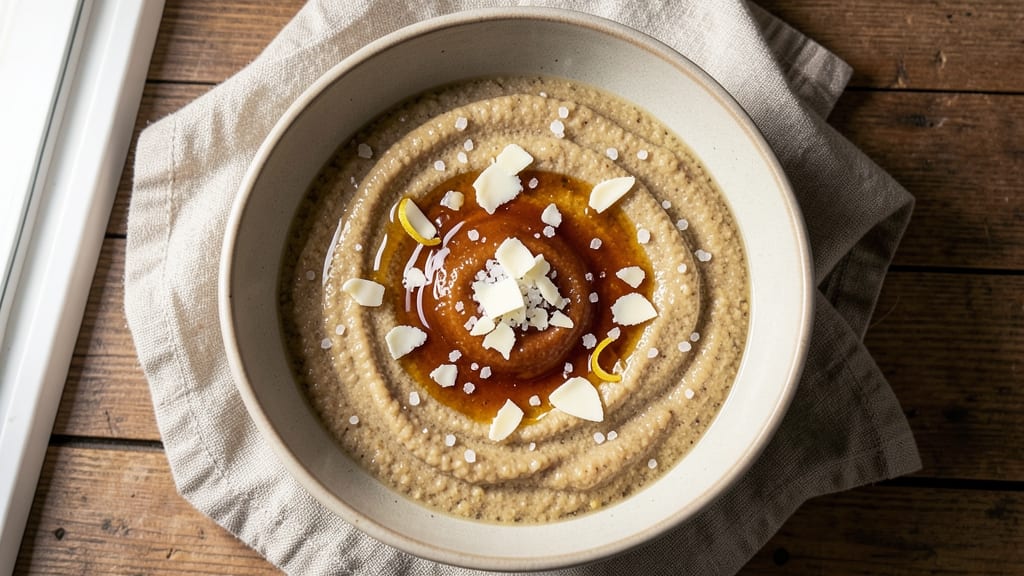
Adding sugar to this sourdough bread recipe transforms it from a rustic staple into a rich, golden loaf with a crisp crust and tender crumb—without sacrificing fermentation integrity. The secret lies in balancing sweetness with proper hydration and fermentation time, which prevents dense results.
Sugar caramelizes beautifully during baking, creating that coveted mahogany crust while adding subtle depth to the flavor profile.
This recipe maintains the authentic sourdough process while incorporating sugar strategically—typically 1-2 tablespoons per pound of flour—to enhance browning and texture. Unlike commercial sweetened breads, we control the fermentation carefully to ensure the sugar doesn't overpower the tangy sourdough character.
The result? A loaf with crisp exterior and pillowy interior, perfect for sandwiches or toast.
What sets this apart is the dual role of sugar: it browns the crust through Maillard reactions while gently sweetening the crumb, creating a more complex flavor than plain sourdough.
We'll cover precise fermentation adjustments needed when adding sugar, plus troubleshooting for common issues like overly sweet or dense loaves.
The technique works equally well for honey wheat sourdough or classic white flour versions—simply adjust the sugar type and quantity based on your flavor preferences. Let's bake a loaf that combines tradition with a touch of sweet sophistication.
Ingredients for add sugar to sourdough bread
Precision ingredients for a sourdough loaf with caramelized crust and tender crumb—sugar enhances browning without compromising fermentation.
| Ingredient | Amount | Notes |
|---|---|---|
| Active Sourdough Starter 🍞 | ½ cup | 100% hydration, active bubbles |
| All-Purpose Flour 🌾 | 4 cups | White or bread flour preferred |
| Granulated Sugar 🍚 | ¼ cup | White or light brown sugar |
| Unsalted Butter 🧈 | ¼ cup | Cold, cubed for texture |
| Warm Water 💧 | 1 ½ cups | 105-110°F for optimal hydration |
| Diamond Crystal Kosher Salt 🧂 | 1 ½ tsp | Adjust to taste |
| Cornmeal or Semolina 🌽 | ¼ cup | For dusting lame and baking sheet |
| Honey or Maple Syrup 🍯 | 1 tbsp | Optional, for added sweetness |
| Active Dry Yeast 🍄 | ¼ tsp | Optional, for enhanced rise |
The sourdough starter must be active with visible bubbles—this ensures proper fermentation despite sugar's inhibitory effects. For flour, bread flour yields a slightly chewier crumb, while all-purpose works fine. Granulated sugar (white or light brown) is ideal for consistent browning; avoid dark brown sugars which can alter fermentation. Unsalted butter should be cold and cubed to create pockets of richness in the crumb. Warm water between 105-110°F dissolves sugar and activates yeast without shocking the starter. Diamond Crystal kosher salt is preferred for its coarse texture and even distribution—measure carefully as it affects hydration and flavor balance.
No granulated sugar? Light brown sugar works equally well for browning, though it may darken the crust slightly. Honey or maple syrup can replace up to half the sugar but requires adjusting hydration by 1-2 tablespoons water per tablespoon of syrup. Active dry yeast is optional but recommended for loaves needing faster rise—use 0.25 tsp per pound of flour if substituting. For cornmeal/semolina, any fine grain works; semolina gives a nuttier flavor. Cold butter is non-negotiable—warm butter will dissolve and create a gummy texture. Salt substitution: sea salt at a 1:1 ratio, but taste before adding more.
The sourdough starter should be stored in the fridge when not in use, brought to room temperature before mixing. Flour keeps indefinitely; store in airtight containers to prevent rancidity. Sugar and salt last indefinitely in cool, dry places. Butter stays fresh for 3 months refrigerated, 6 months frozen. Honey and maple syrup never spoil. Yeast remains viable for 6 months refrigerated or 1 year frozen. Dough can be shaped and refrigerated overnight for improved flavor development, or frozen for up to 3 months—thaw in the fridge before baking.
Why You'll Love This Recipe
- Sweet Simplicity: I swear by this dough—just five ingredients, no fancy techniques. The sugar dissolves right into the starter and water while I mix, so no extra steps or waiting around.
- Buttery-Sweet Magic: That first bite? The sugar caramelizes just enough to give it a subtle, warm depth, while the butter makes every slice melt like a hug. Honestly, my toast game changed forever.
- Breakfast to Dessert: Serve it toasted with jam for breakfast or tear it into chunks for a quick dessert with whipped cream. Between us, I’ve even used it to soak up balsamic glaze for a fancy charcuterie board.
- Budget-Friendly Staple: A single batch stretches for days—sandwiches, French toast, or even croutons. The sugar makes it feel special without costing a fortune, and the butter ensures it never goes stale.
Step-by-step instructions for sweetened sourdough bread
This method balances sweetness with structure, ensuring a crisp crust and tender crumb.
Mix Wet Ingredients for Optimal Hydration
In a large mixing bowl, combine the 0.5 cup active sourdough starter, 1.5 cups warm water (between 105-110°F), 0.25 cup granulated sugar, and 1 tbsp honey or maple syrup. The sugar and honey will dissolve completely, creating a smooth, slightly syrupy liquid. This sweetened base helps develop a golden crust while maintaining proper fermentation.
Next, add the 0.25 cup cold cubed unsalted butter and gently fold it in using a wooden spoon. The cold butter should remain in small chunks at this stage—this creates pockets of fat that contribute to the bread's tender crumb. Avoid overmixing, as this can develop gluten too early and make the dough tough later.
Incorporate Dry Ingredients for Structure
In a separate bowl, whisk together the 4 cups all-purpose flour and 1.5 tsp diamond crystal kosher salt. The salt will dissolve evenly into the flour, ensuring balanced seasoning throughout the dough. Gradually add this dry mixture to the wet ingredients while stirring with a spatula.
Once combined, add the 0.25 tsp active dry yeast (if using) and mix until just incorporated. The dough will appear shaggy at this point, which is normal. The sugar and honey enhance yeast activity, so you'll notice slightly faster fermentation than in plain sourdough. Let the dough rest for 5 minutes to allow the flour to fully hydrate and begin gluten development.
Knead and Shape for Even Texture
Turn the dough onto a lightly floured surface and knead for 8-10 minutes until smooth and elastic. The sugar and butter make this dough slightly stickier than traditional sourdough, so use a dough scraper to help gather and fold the dough as needed. You're looking for a dough that springs back slowly when poked—this indicates proper gluten structure.
Divide the dough into 4 equal portions (about 12 ounces each) and shape each into a round boule. Place them on a baking sheet dusted with 0.25 cup cornmeal or semolina, covering loosely with a clean kitchen towel. Let them rise at room temperature for 1-2 hours, or until they've doubled in size. The sugar will slightly accelerate this rise, so monitor closely to avoid overproofing.
Bake for Crisp Crust and Soft Interior
Preheat your oven to 425°F with a Dutch oven inside for 30 minutes. This high heat creates steam, which is crucial for developing that signature crisp crust. Carefully transfer the shaped dough (still on the cornmeal-dusted sheet) into the hot Dutch oven, covering tightly with the lid.
Bake for 20 minutes covered, then remove the lid and bake for an additional 15-20 minutes until the crust is deep golden brown and the internal temperature reaches 205-210°F. The sugar caramelizes beautifully during this final phase, creating a sweet, crackly exterior while keeping the interior pillowy soft.
Cool and Serve for Maximum Flavor
Remove the bread from the Dutch oven and let it cool on a wire rack for at least 30 minutes. This resting period allows the internal structure to set, preventing a gummy crumb. The residual heat will continue to develop flavors, making each slice more aromatic and satisfying.
Slice the bread while still warm for the best texture—each piece should reveal an open crumb with visible pockets of air and a crisp, slightly sweet crust. The sugar and honey infuse subtle sweetness throughout, balancing the tangy sourdough flavor for a harmonious bite.
Pro Tips For Making Add Sugar To Sourdough Bread
- Mix Sugar Last: DESCRIPTION: Stir the granulated sugar in only after your dough’s autolyse (when flour and water are fully combined). Adding it early can slow fermentation—your starter needs time to work before sugar’s yeast-slowing effects kick in. I learned this after three overly dense loaves where the sugar seemed to mute the sourdough’s punch.
- Butter at Room Temp: DESCRIPTION: Let that unsalted butter sit out for at least 2 hours before mixing—no microwave shortcuts. Cold butter creates pockets of fat that won’t distribute evenly, leaving you with a crumbly loaf instead of that tender, buttery crumb you’re after. (Yes, even if you’re impatient like me.)
- Skip the Over-Knead: DESCRIPTION: Resist the urge to punch or fold this dough aggressively—sugar and butter make it stickier than usual. Gentle stretches and folds every 30 minutes during bulk fermentation are enough. Overworking it heats the dough too fast, and your sugar will caramelize before the yeast does its job.
- Proof Until 75% Rise: DESCRIPTION: Don’t eyeball it—use a reference. Place a toothpick in the dough at the start of proofing, then check when it’s just touching the top. Sugar speeds up fermentation, so the dough will rise faster than plain sourdough. Stopping too early means a dense crumb; too late, and you’ll fight collapse later.
Flavor customization for add sugar to sourdough bread
Sweetness Levels
Start with 1-2 tablespoons of sugar per pound of flour for subtle sweetness that enhances browning without overpowering the sourdough tang. For a honey wheat sourdough, replace 1 tablespoon of granulated sugar with 1 tablespoon honey—this adds moisture while deepening flavor.
If you prefer a rich brioche-like texture, increase sugar to 3-4 tablespoons per pound and add 1 extra egg yolk to the dough for extra richness. 🍯
Sugar Types
Granulated sugar is ideal for consistent browning and even distribution, while light brown sugar adds molasses notes that caramelize beautifully for a deeper flavor. For a less processed option, use coconut sugar—it has a lower glycemic index and adds a subtle caramel taste. Avoid dark brown sugar in this recipe, as its high molasses content can inhibit yeast activity and create a denser crumb.
Sweetness Balance
To prevent an overly sweet loaf, pair sugar with 1 teaspoon of lemon zest or ½ teaspoon of cinnamon—these spices cut through sweetness while adding complexity. For a savory-sweet twist, add 1 tablespoon of blackstrap molasses (it’s less sweet but packed with flavor).
Always taste your dough before final proofing; adjust sugar down if the flavor feels too pronounced.
Fermentation Adjustments
Sugar slows fermentation slightly, so extend your bulk fermentation time by 30-60 minutes if using more than 2 tablespoons per pound of flour. For a faster rise, add ¼ teaspoon of yeast or proof at a warmer temperature (78-80°F).
Monitor dough closely—overproofing with sugar can lead to a collapsed loaf. A windowpane test (stretching dough thin enough to see light through) ensures proper gluten development despite the sugar.
Crust Enhancements
For an extra crisp crust, brush the baked loaf with melted butter mixed with 1 teaspoon of sugar while still hot. For a glossy finish, dissolve 1 tablespoon of honey in 1 teaspoon of water and brush on after baking.
If you love cinnamon sugar swirls, roll out a portion of the dough before shaping and sprinkle with 1 tablespoon cinnamon + 1 tablespoon sugar before enclosing it in the boule.
Troubleshooting Sweetness
If your loaf tastes too sweet, reduce sugar by ½ tablespoon per pound of flour in future batches. For a denser texture, ensure your starter is 100% hydrated and proofing times are accurate—sugar can weaken gluten structure if overworked.
If the crust doesn’t brown enough, increase oven temperature to 450°F for the last 5 minutes of baking. The key is balance: sugar enhances flavor but shouldn’t dominate the sourdough’s tangy character. 💫
Nutrition facts
Frequently asked questions
Why does adding sugar make my sourdough crust darker?
Sugar enhances browning through the Maillard reaction and caramelization during baking. With 1-2 tablespoons per pound of flour, you'll get that beautiful golden-mahogany crust while maintaining the bread's structure. The sugar also helps create steam during baking, which contributes to both color and crispness.
Can I use honey instead of sugar in sourdough?
Replace 1 tablespoon of granulated sugar with 1 tablespoon of honey for a deeper flavor and extra moisture. However, reduce your water by 1 tablespoon since honey absorbs liquid. For best results, use raw honey and proof the dough slightly longer (about 30 minutes extra) as honey can slow fermentation.
How much sugar is too much in sourdough?
Stick to 2-3 tablespoons per pound of flour maximum to avoid an overly sweet loaf that loses its sourdough character. More than 4 tablespoons can weaken gluten structure, leading to a denser crumb. If you love sweetness, balance it with spices like cinnamon or citrus zest to enhance complexity without dominating the flavor.
Will sugar affect my sourdough fermentation?
Yes, sugar can slow fermentation slightly due to its osmotic effect on yeast. Extend bulk fermentation by 30-60 minutes if using more than 2 tablespoons per pound of flour. For faster rise, add ¼ teaspoon of yeast or proof at a warmer temperature (78-80°F). Always perform the windowpane test to check gluten development.
Can I add sugar to a no-knead sourdough?
Certainly! The same principles apply—use 1-2 tablespoons of sugar per pound of flour and extend fermentation by 1-2 hours. The sugar will still caramelize beautifully during baking, creating that signature crisp crust. Just be patient with the longer fermentation time, especially if using more sugar or honey.