
Breakfast & Brunch
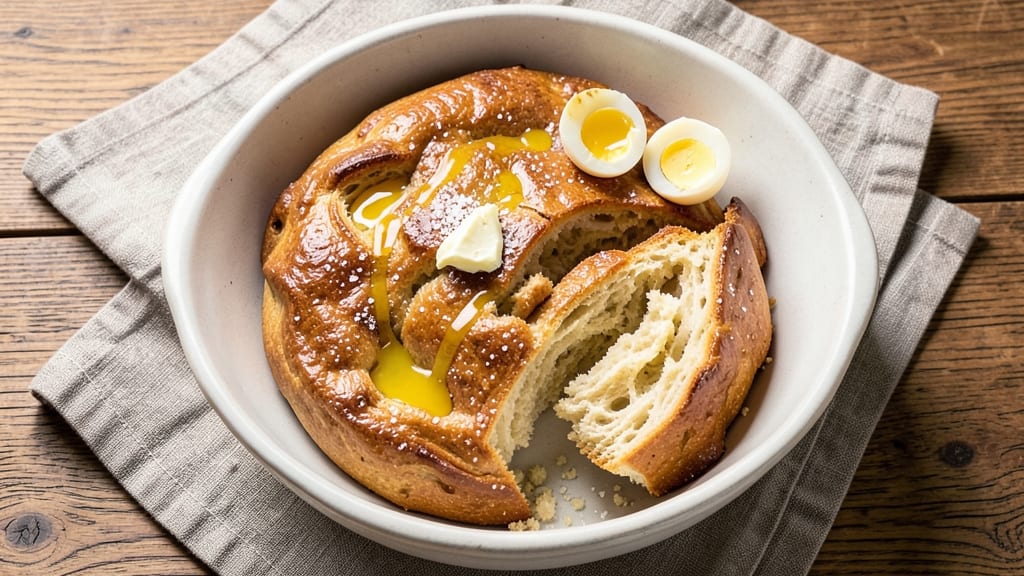
Adding eggs to bread dough transforms ordinary loaves into rich, tender masterpieces—like brioche or sweet rolls—without complicating the process. The secret lies in how eggs interact with flour and fat: they create a velvety crumb, enhance rise, and add subtle richness that no other ingredient can match.
I’ve perfected this technique over years of baking, ensuring every batch delivers that restaurant-quality texture at home.
The key to success is timing and method: eggs should be added at the right moment during mixing to maximize their binding power while preserving air pockets for a light texture.
A 350°F oven and proper proofing are equally critical—skipping these steps can turn your enriched dough into a dense, heavy loaf instead of the airy, golden delight you’re aiming for.
What you’ll end up with is bread that’s impossibly tender yet sturdy enough to hold fillings or toppings without crumbling. The eggs contribute a delicate eggy flavor that pairs beautifully with butter, sugar, or herbs, while the dough’s structure remains stable during baking.
This isn’t just about adding eggs—it’s about unlocking a whole new level of texture and flavor in your bread.
Whether you’re making brioche for French toast, sweet rolls for breakfast, or an enriched loaf for sandwiches, this method delivers consistent results. The same principles apply to all enriched breads, so once you master it, you’ll never go back to basic dough again. Let’s get started with the full recipe.
Ingredients for adding egg to bread
These simple yet transformative ingredients create restaurant-quality enriched bread at home.
| Ingredient | Amount | Notes |
|---|---|---|
| All-Purpose Flour 🌾 | 4 cups | Spooned and leveled for accuracy |
| Large Eggs 🥚 | 2 whole | Room temperature for even mixing |
| Unsalted Butter 🧈 | ½ cup | Cold, cubed for even distribution |
| Granulated Sugar 🍚 | ¼ cup | White or light brown works |
| Active Dry Yeast 🍞 | 0.03 oz | 1 packet or 2 1/4 tsp |
| Whole Milk 🥛 | ½ cup | Warmed to 110°F for activation |
| Salt 🧂 | ½ tsp | Diamond Crystal preferred |
| Vanilla Extract 🍯 | 1 tsp | Pure vanilla for best flavor |
| Large Egg Yolks 🥚 | 2 whole | Reserved for final enrichment |
| Granulated Sugar 🍚 | ¼ cup | Additional for dough enrichment |
| Powdered Sugar 🍚 | ¼ cup | For final coating (optional) |
The eggs are the game-changers here, but don't overlook the butter—European-style or Plugrá has higher fat content, which gives you that ultra-tender crumb. I always grab my flour from King Arthur or Bob's Red Mill—the protein content is consistent, which matters for enriched dough. For yeast, Saf-Instant is my go-to because it doesn't need proofing in warm milk. The milk should be warm enough to dissolve the sugar but not hot—just dip your finger in to test (should feel like bathwater).
No vanilla extract? Vanilla bean paste works too, or even a pinch of ground vanilla bean if you're feeling fancy. Running short on whole eggs? Two egg yolks plus one whole egg white keeps the same richness while cutting down on fat. The sugar can be swapped for honey or maple syrup, but reduce the milk by 1 tbsp to account for the extra liquid. For a savory version, skip the vanilla and add 1 tsp lemon zest instead—trust me, it works.
Store your enriched dough in the fridge for up to 24 hours if you want to let the flavors develop overnight. For best results, bake within 4-6 hours of mixing. The finished bread keeps well at room temperature for 2 days wrapped in a clean kitchen towel, or you can freeze slices for 3 months. I always make extra—it's perfect for French toast the next morning.
Why You'll Love This Recipe
- No-Knead, No-Stress: I mix the dough in a bowl while the kids watch cartoons—yeast does all the work. The eggs add that tender, almost brioche-like richness without a single punch of the mixer.
- Butter-Sweet Magic: That melted butter and sugar folded into the dough? It turns into a golden crust with a whisper of caramelized sweetness. Honestly, it’s the kind of flavor that makes you want to eat it straight from the pan.
- Breakfast or Snack: Make a batch on Sunday, and you’ve got dinner rolls for weeknight pasta, French toast for lazy mornings, or even garlic bread for movie night. The egg keeps it moist for days—no sad, dry bread here.
- Budget Stretch: Five ingredients, one bowl, zero waste. A single egg and a pat of butter stretch this dough into enough rolls to feed four for under five bucks. My wallet thanks me every time.
Step-by-step instructions for enriched bread with eggs
Here's how to transform ordinary bread into rich, tender loaves with just a few simple additions.
Activate the Yeast with Warm Milk
In a small bowl, combine the 0.5 cup whole milk warmed to 110°F with the 0.03 oz active dry yeast. Let it sit for 5-10 minutes until frothy—this confirms the yeast is alive and ready to work. If it doesn't bubble, your yeast is inactive and needs replacing.
While waiting, whisk together the 2 whole large eggs and 0.25 cup granulated sugar in a separate bowl until smooth. This mixture will later enrich the dough, giving it that soft, velvety texture that sets enriched bread apart. The sugar also helps feed the yeast during fermentation.
Mix the Dough Base
In a large mixing bowl, combine the 4 cups all-purpose flour and 0.5 tsp salt. Cut in the 0.5 cup unsalted butter using a pastry cutter or your fingers until the mixture resembles coarse crumbs with pea-sized butter pieces. This ensures even distribution and proper texture.
Make a well in the center and pour in the yeast-milk mixture and egg-sugar mixture. Add the 1 tsp vanilla extract and mix with a wooden spoon or dough whisk until a shaggy dough forms. Avoid overmixing at this stage—just combine until everything comes together.
Develop the Dough with Egg Yolks
Turn the dough onto a lightly floured surface and knead for 8-10 minutes until smooth and elastic. This is where the magic happens—the kneading develops gluten, which gives the bread structure while the egg yolks add moisture and richness.
After kneading, return the dough to the bowl, cover with a damp towel, and let it rise in a warm place for 1-1.5 hours, or until doubled in size. The egg yolks will make this dough rise more gently than traditional bread dough, so don't rush this step. Patience here ensures a tender crumb.
Shape and Final Rise
Punch down the risen dough and divide it into 4 equal portions (about 1 pound each). Shape each portion into a round loaf, tucking the edges under to seal. Place the shaped loaves in a greased 9x5-inch loaf pan.
Cover with a damp towel and let rise again for 30-45 minutes until the dough has puffed noticeably. The egg-enriched dough will rise more slowly, so monitor closely—overproofing leads to dense bread. Preheat your oven to 350°F while the dough rises.
Bake to Golden Perfection
Bake the loaves for 30-35 minutes until golden brown and the internal temperature reaches 190°F. For extra richness, brush the tops with a simple glaze made by whisking together the 2 whole large egg yolks and 0.25 cup granulated sugar until smooth, then drizzling over the loaves just before baking.
Remove from the oven and let cool on a wire rack for 10 minutes before dusting with 0.25 cup powdered sugar if desired. The result is a tender, slightly sweet bread with a fine crumb and moist texture that stays fresh longer than traditional bread.
Pro Tips For Making Adding Egg To Bread
- Whisk Eggs Cold: Crack eggs straight from the fridge into a chilled bowl—room-temperature eggs add too much fat and make your bread greasy. I learned this the hard way after a batch turned out denser than a brick.
- Proof Yeast First: Test your yeast in warm water with a pinch of sugar before mixing it into the dough—if it doesn’t foam in 5 minutes, toss it and start fresh. No one wants to bake a brick because their yeast was dead.
- Cut Butter Cold: Use frozen butter cubes straight from the freezer—it melts slower and creates pockets of flavor instead of pooling at the bottom. Yes, it sounds weird, but it works every time.
- Knead Just Enough: Stop kneading when the dough springs back slowly (about 8-10 minutes by hand). Overworking it makes the bread tough, and no one wants dry, chewy bread when you’re adding eggs for richness.
Troubleshooting your adding egg to bread
Dough Too Sticky
If your egg-enriched dough feels impossibly sticky, resist the urge to add more flour—this disrupts the delicate balance of moisture and gluten. Instead, wet your hands slightly and use them to gently shape the dough.
I find a light dusting of rice flour works better than all-purpose flour for shaping, as it adds just enough texture without heaviness. Let the dough rest for 10-15 minutes covered while you preheat the oven—this helps the gluten relax and makes handling easier. 💫
Dense or Heavy Texture
Overworking the dough is the #1 cause of dense bread when adding eggs. Once you've incorporated the eggs, knead just until smooth—about 8-10 minutes. The eggs provide natural moisture, so you don't need to overdevelop the gluten.
Also, ensure your yeast is fresh and your milk is properly warmed (110°F) to activate it fully. Underproofing (not letting it rise long enough) can also create density—look for the dough to double in size before shaping.
Eggs Not Distributing Evenly
For perfectly even egg distribution, whisk the eggs thoroughly with sugar before adding to the dough. I like to temper them slightly by mixing in 1 tablespoon of warm milk first—this prevents them from cooking when they hit the cooler butter and flour.
If you notice streaks after mixing, do a quick "fold and turn" technique: stretch the dough gently and fold it over itself 3-4 times to integrate the eggs without overworking.
Bread Collapses After Baking
This usually means your dough wasn't properly proofed or the oven temperature dropped during baking. For egg-enriched dough, the rise is slower, so monitor closely—it should puff noticeably but not collapse when touched. Also, ensure your oven is fully preheated to 350°F before baking.
I recommend placing a baking stone or inverted baking sheet on the lower rack for 15 minutes before adding the loaves to create steam and help with rise. 🔥
Eggy Aftertaste Too Strong
The eggs should add subtle richness, not dominate the flavor. To balance this, increase your vanilla extract to 1.5 tsp or add ½ tsp lemon zest to complement the eggs. For a more neutral profile, use pasteurized eggs (like those in the carton) which have a milder taste.
The butter also plays a role—opt for European-style butter which has a cleaner flavor than American-style. Taste your dough before final shaping to adjust seasonings.
Dough Doesn't Rise Properly
Cold eggs or yeast can both inhibit proper rising. Always use room-temperature eggs (68-72°F) and ensure your yeast is fresh (test it first in warm milk).
If your kitchen is cool, place the dough bowl in a warm spot—like near the oven with the light on, or on top of your fridge. The egg yolks will slow fermentation slightly, so give it 10-15 minutes extra rising time compared to regular dough.
A toothpick test works best: poke the dough—if it springs back slowly, it's ready.
Nutrition facts
Frequently asked questions
Why do eggs make bread richer but denser if overused?
Eggs add moisture and fat that create a tender crumb, but too many can weigh down gluten structure. The ideal ratio is 1-2 eggs per 4 cups flour—this enriches without overloading. For brioche, we use 2 whole eggs plus 2 yolks in the recipe to balance richness and rise.
Can I substitute eggs in enriched bread for a vegan version?
Yes! Use ¼ cup aquafaba (chickpea brine) or 2 tbsp ground flaxseed + 6 tbsp water per egg. For best texture, reduce butter by 1 tbsp since plant-based fats behave differently. The dough will be slightly less tender but still delicious.
What's the best way to store egg-enriched bread?
Wrap cooled loaves in plastic wrap then place in a paper bag to prevent drying. Stays fresh 3-4 days at room temp or 1 week refrigerated. For longer storage, freeze slices wrapped in parchment—thaw at room temp before toasting.
Does adding eggs change the baking time?
Yes—egg-enriched dough bakes 5-10 minutes longer than regular bread. The extra moisture means you'll need to check for doneness at 30 minutes (internal temp 190°F). A toothpick test works best: it should come out clean with a few moist crumbs.
Can I make this bread without butter?
Replace butter with ¼ cup neutral oil (like vegetable or canola) or ½ cup Greek yogurt for moisture. The texture will be slightly less rich but still tender. For oil, chill it first to mimic butter's behavior during mixing.