
Side Dishes
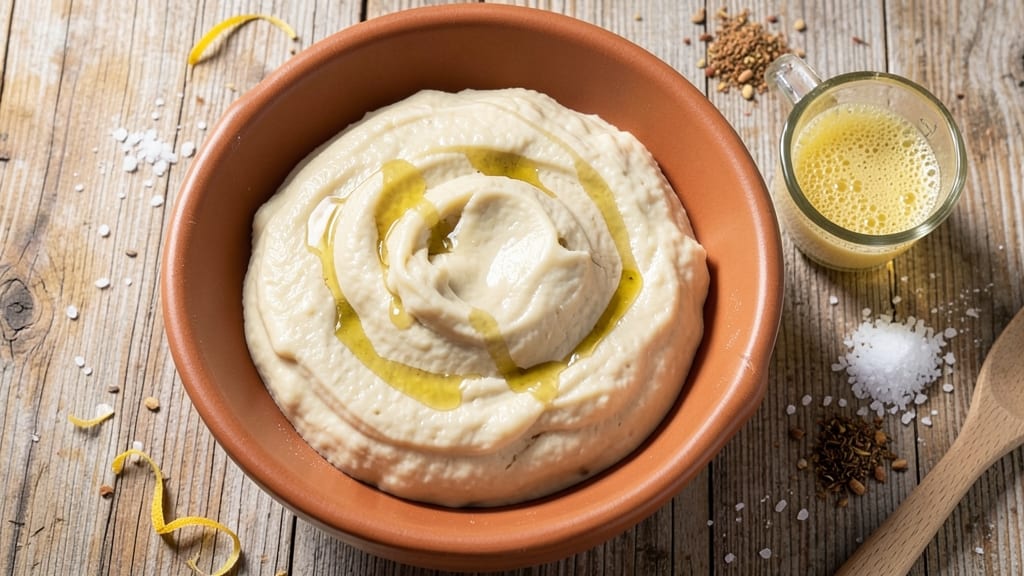
This all-purpose bread dough recipe transforms simple pantry staples into the perfect foundation for sandwiches, pizza crust, or dinner rolls—every time.
The secret lies in a balanced mix of flour, yeast, and sugar that creates a dough with just the right elasticity and rise, whether you're shaping it into a loaf, flatbread, or soft rolls.
I've tested countless variations to ensure this dough delivers consistent results, even for beginners who might be intimidated by kneading or proofing.
The process is straightforward: combine warm water, sugar, yeast, and a pinch of salt to activate the yeast, then mix in flour until a shaggy dough forms.
After kneading for about 10 minutes—just enough to develop the gluten—you'll let the dough rise until doubled in size, a step that builds flavor and lightness.
The dough's versatility means you can shape it immediately or refrigerate it for up to 48 hours, making it ideal for meal prep or spontaneous baking.
What sets this dough apart is its adaptability—bake it as a classic sandwich loaf with a crispy crust, stretch it into a pizza base, or roll it into golden dinner rolls that disappear in minutes.
The key to success is controlling the proofing time and baking at the right temperature (375°F for rolls, 425°F for pizza) to achieve the perfect texture every time.
Once baked, the dough stays fresh for days, and you can even reheat slices or rolls to restore their warmth and softness.
For those who love experimenting, this dough is a blank canvas: add herbs to the water for flavor, swap in whole wheat flour for a nuttier taste, or brush the finished loaves with garlic butter for extra richness.
Whether you're feeding a family or hosting a gathering, this recipe ensures you'll always have a reliable, crowd-pleasing base. Let's get started on mastering the art of bread-making.
Ingredients for all purpose bread dough
Nine simple ingredients create the perfect dough base for sandwiches, pizza, or rolls—every time.
| Ingredient | Amount | Notes |
|---|---|---|
| All-Purpose Flour 🌾 | 3 ½ cups | Sifted for even texture |
| Active Dry Yeast 🍞 | 2 ¼ tsp | Freshly opened, not expired |
| Granulated Sugar 🍚 | ½ tsp | For yeast activation |
| Warm Water 💧 | 1 ¼ cups | 110°F for optimal yeast |
| Kosher Salt 🧂 | ¾ tsp | Diamond Crystal preferred |
| Olive Oil 🫒 | 2 tbsp | Light or extra-virgin |
| Whole Milk 🥛 | ¼ cup | For enhanced browning |
| Cornmeal 🌽 | ¼ cup | For dusting work surface |
| Garlic Powder 🧄 | ½ tsp | Optional for flavor boost |
| Dried Italian Seasoning 🍃 | ½ tsp | Optional herb blend |
| Egg Wash 🥚 | 1 whole | For golden crust (optional) |
The flour is the foundation, so grab King Arthur or Bob's Red Mill for reliable gluten development. Active dry yeast should be fresh—if it smells stale or takes forever to foam, toss it. Warm water is key: too hot kills yeast, too cold slows it down. I always test mine with a thermometer, but if you're eyeballing, it should feel like bath water. The whole milk adds richness and helps with browning—skip it for a lighter dough, but I find it worth the extra step. For the olive oil, Trader Joe's or Whole Foods have great affordable options that won't overpower the flavor.
No yeast? Instant yeast works at half the amount, but you'll need to adjust the water temperature. Short on milk? Water plus 1 tbsp melted butter mimics the effect. The Italian seasoning can be swapped for dried parsley or oregano if that's what you've got. For a gluten-free version, King Arthur GF flour blend works well—just add 1 tsp xanthan gum. The cornmeal is optional but prevents sticking when shaping. Pro tip: if your dough feels too sticky, add flour 1 tbsp at a time until it's just right. Too dry? A splash of warm water revives it.
This dough keeps beautifully. Shape and refrigerate for up to 48 hours—perfect for meal prep. For longer storage, freeze shaped dough on a tray, then transfer to a bag for 3 months. Thaw overnight in the fridge before baking. The egg wash adds shine but isn't mandatory—just brush with melted butter or milk instead. Once baked, store wrapped at room temp for 2 days or freeze for 1 month. To reheat, wrap in foil and warm at 350°F for 10 minutes.
Why You'll Love This Recipe
- Pantry Staples Only: I swear by this dough because it uses what’s already lurking in my cupboards—no specialty flours or weird additives. Just flour, yeast, sugar, water, and salt. That’s it. Honestly, if I’ve got those five things, I can make bread.
- Golden Crust Magic: The sugar and salt in this dough create that perfect balance—crispy crust with a soft, airy interior. I’ll be real: it’s the kind of bread that makes you pause mid-slice to admire how good it looks before you even taste it.
- Endless Reinventions: This dough is my blank canvas. Garlic knots one night, dinner rolls the next, or even a quick flatbread for tacos. Between us, I’ve even used the leftovers to make croutons—because why waste good dough?
- Budget-Friendly Baking: A single batch costs me pennies but stretches for days. Freeze half for later, or keep it in the fridge for up to five days. I’ve fed a crowd with one mix, and my wallet hasn’t complained once. That’s what I call a win.
Step-by-step instructions for all-purpose bread dough
Here's how to create a perfectly balanced dough that rises beautifully for any recipe.
Activate the Yeast for Maximum Rise
In a small bowl, combine the 1.25 cups warm water (about 110°F), 0.5 tsp granulated sugar, and 2.25 tsp active dry yeast. Let it sit for 5-10 minutes until you see frothy bubbles forming on top. This confirms your yeast is alive and ready to work—if it doesn't bubble, your bread won't rise properly.
I always use freshly opened yeast for best results. The sugar helps activate the yeast quickly, and the warm water provides the perfect environment for it to multiply. If your kitchen is cold, the water temperature is especially important—too hot kills yeast, too cold slows activation.
Mix the Wet Ingredients
In a large mixing bowl, whisk together the 2 tbsp olive oil, 0.25 cup whole milk, 0.75 tsp kosher salt, 0.5 tsp garlic powder, and 0.5 tsp dried Italian seasoning. Add the yeast mixture and stir until just combined. The milk adds richness while helping create a tender crumb, and the olive oil contributes to a soft texture.
This is where the flavor foundation happens. The garlic powder and Italian seasoning give subtle depth that works well for sandwich bread, pizza crust, or rolls. Don't worry if the mixture looks slightly curdled—it will come together when we add the flour.
Combine and Knead the Dough
Gradually add the 3.5 cups all-purpose flour to the wet ingredients, mixing with a wooden spoon until a shaggy dough forms. Turn the dough onto a lightly floured surface and knead for 8-10 minutes until smooth and elastic. You'll know it's ready when it springs back slowly when poked with a finger.
I like to use the "windowpane test" for perfect kneading: stretch a small piece of dough thin enough to see light through it without tearing. The milk and olive oil make this dough slightly stickier than basic bread dough, so work quickly but firmly. If it feels too dry, add flour 1 tablespoon at a time—but don't overdo it or your bread will be dense.
First Rise for Optimal Flavor Development
Lightly oil a large bowl, place the dough inside, and cover with a damp kitchen towel. Let it rise in a warm place (like an oven with the light on) for 1-2 hours, or until doubled in size. The dough should feel light and airy when pressed gently with a finger.
This first rise is crucial for developing gluten structure and flavor. I like to give it the full 2 hours when possible—it creates a better texture and more complex taste. If your kitchen is cold, place the bowl near a warm spot like a sunny window or toaster oven. Patience here prevents dense bread later.
Shape and Second Rise for Perfect Texture
Punch down the risen dough gently to release air, then divide it into your desired shapes (loaves, pizza rounds, or rolls). Place each piece on a baking sheet dusted with 0.25 cup cornmeal to prevent sticking. Cover again and let rise for 30-45 minutes until puffy.
The cornmeal creates a beautiful texture on the bottom of your bread. For pizza dough, press it out directly on parchment paper before the final rise. For sandwich loaves, shape them into a log and place seam-side down. The second rise should be just until the dough puffs noticeably—over-rising can cause collapse during baking.
Bake to Golden Perfection (Optional Egg Wash)
Preheat your oven to 375°F. For a golden crust, brush the risen dough with the 1 whole egg wash (beaten egg). Bake for 20-25 minutes for rolls, 25-30 minutes for loaves, or 12-15 minutes for pizza crust until deep golden brown and internal temperature reaches 190-200°F.
I always bake pizza crusts directly on parchment paper for easy transfer. For sandwich bread, bake in a loaf pan if you prefer uniform slices. The egg wash creates that beautiful bakery-style crust, but it's optional if you prefer a simpler finish. Let bread cool for 10 minutes before slicing—this prevents a gummy interior.
Pro Tips For Making All Purpose Bread Dough
- Check Yeast Temperature: That warm water should feel like bathwater—not scalding, not tepid. If you’re unsure, dip your pinky finger in: it should feel hot but not burn you. Cold water kills yeast; too-hot water does the same. I learned this the hard way when my dough took three hours to rise instead of one.
- Weigh Your Flour: Scooping flour from the bag packs in air—meaning your dough will be too dry. Use a kitchen scale for 350g (or 3 cups, lightly spooned and leveled). My first few loaves were dense until I stopped eyeballing it.
- Skip the Sugar Shortcut: That 1 tablespoon of sugar isn’t just for flavor—it feeds the yeast. If you’re tempted to halve it for a "healthier" loaf, your dough will rise sluggishly or collapse. Trust the recipe; the yeast needs fuel.
- Knead Until Windowpane: Stop when you can stretch a small piece of dough thin enough to see light through it (like a window). Over-kneading makes gluten tough; under-kneading leaves it gummy. I used to go by time—now I go by texture, and the bread’s always better.
Creative variations of all purpose bread dough
Herbed Flatbread Twist
Swap the whole milk for ¼ cup melted butter and fold in 2 tbsp chopped fresh rosemary or 1 tbsp dried thyme during kneading. Roll the dough out into a thin rectangle and bake at 400°F for 8-10 minutes for crispy, Mediterranean-style flatbread.
Perfect for dipping in olive oil or using as a wrap for grilled meats. 🌿
Sweet Dinner Rolls
Add ¼ cup granulated sugar and 1 tsp cinnamon to the wet ingredients, then shape into 12 small rolls. Brush with melted butter and sprinkle with 2 tbsp coarse sugar before baking at 375°F for 15-18 minutes.
These rolls are ideal for serving with soups or as a sweet breakfast treat. I love adding a pinch of cardamom for extra warmth.
Cheesy Garlic Pizza Base
Mix ½ cup shredded mozzarella and 1 tsp garlic powder directly into the dough during the final kneading. Press into a thin crust on parchment paper, bake at 425°F for 10-12 minutes, then top with sauce and cheese.
The dough becomes slightly chewy and infused with flavor—no need for extra toppings if you prefer simplicity. 🍕
Whole Wheat Nutty Loaf
Replace 1.5 cups all-purpose flour with 1.5 cups whole wheat flour and add 1 tbsp honey to the wet ingredients. Shape into a loaf, bake at 375°F for 30-35 minutes.
The result is a denser, nuttier bread perfect for toast or sandwiches. For extra richness, add 2 tbsp chopped walnuts during kneading.
Savory Dinner Rolls with Herbs
Add 1 tbsp chopped fresh parsley and 1 tsp onion powder to the wet ingredients, then shape into 8-10 rolls. Brush with garlic butter after baking for a restaurant-worthy finish.
These rolls are ideal for serving with roasted chicken or hearty stews. Store leftovers in an airtight container for up to 3 days.
Gluten-Free Adaptation
Use 3.5 cups King Arthur gluten-free flour blend and add 1 tsp xanthan gum to the dry ingredients. Replace milk with ¼ cup water + 1 tbsp melted butter, and knead for 5-7 minutes (the dough will be stickier).
Let rise for 30 minutes before shaping, as gluten-free dough doesn't develop gluten strands. Bake at 375°F for 25-30 minutes until golden. 💫
Nutrition facts
Frequently asked questions
Can I make this dough without a stand mixer?
This dough is designed for hand-kneading. After combining ingredients, turn the shaggy dough onto a lightly floured surface and knead for 8-10 minutes until smooth and elastic. The windowpane test (stretching a small piece thin enough to see light through) confirms it's ready. The milk and olive oil make it slightly stickier, so work quickly but firmly.
Why did my dough collapse after baking?
Collapsed bread usually means overproofing or underproofing. Check your rise times: the dough should double in size during the first rise (1-2 hours) and puff noticeably during the second rise (30-45 minutes). If your kitchen is cold, use a warm oven with the light on to speed up rising. Also, ensure your oven is fully preheated—hot spots can cause uneven baking.
How do I store leftover dough?
Shape the dough and refrigerate in an airtight container for up to 48 hours. For longer storage, freeze shaped dough on a tray, then transfer to a bag for 3 months. Thaw overnight in the fridge before baking. Baked bread stays fresh for 2 days at room temperature or 1 month frozen. Wrap tightly in foil or plastic to maintain freshness.
Can I add cheese or herbs to this dough?
Yes! For a cheesy twist, fold in ½ cup shredded mozzarella during kneading. For herbs, add 1 tbsp chopped fresh parsley or rosemary to the wet ingredients. Keep additions to 10% of the dough's weight to avoid overloading. The dough remains versatile—just adjust shaping time slightly if using sticky fillings like cheese.
What’s the best way to reheat bread made from this dough?
Wrap slices or rolls in foil and warm at 350°F for 10 minutes for softness. For crispy crusts, broil for 2-3 minutes on high. Avoid microwaving—it makes bread gummy. Pro tip: Store baked goods in a bread box or paper bag to retain freshness longer.