
Side Dishes
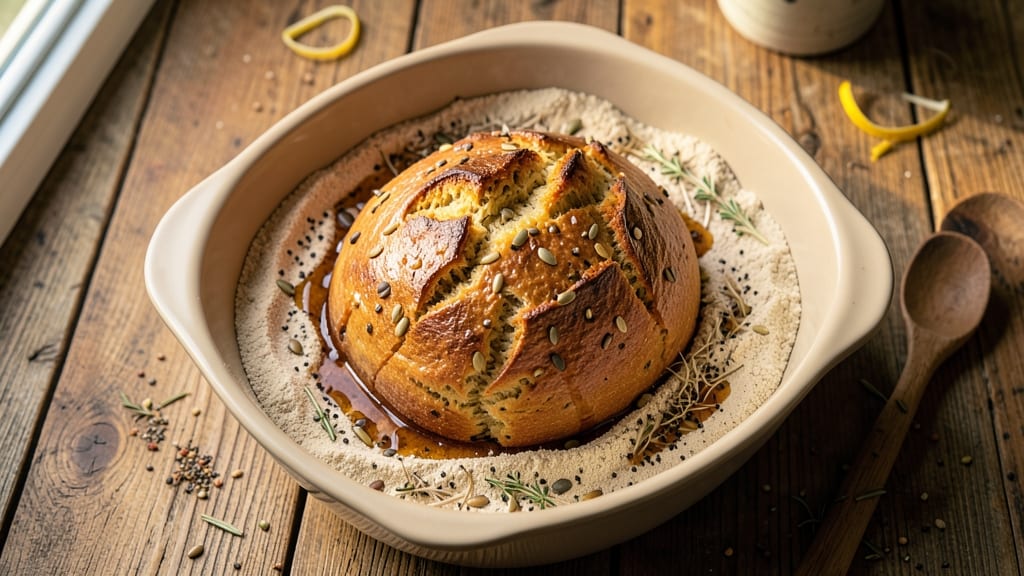
This almond flour bread recipe transforms your bread maker into a gluten-free powerhouse, delivering a surprisingly light, airy loaf that rivals traditional wheat bread.
The secret lies in a precise blend of almond flour, psyllium husk, and a touch of apple cider vinegar—creating a structure that holds up beautifully without gluten grains.
I've perfected this recipe after years of testing, ensuring it bakes up with a tender crumb and golden crust every time, even in home bread makers.
The beauty of this recipe is its versatility—it's naturally egg-free, dairy-free, and packed with plant-based protein while maintaining a mild, nutty flavor that won't overpower your meals.
The bread maker does all the heavy lifting, handling the kneading and baking automatically, so you only need to prepare the dough and set the machine. For best results, use the "basic" or "whole wheat" setting and let the machine work its magic for about 3 to 3.5 hours.
What you'll end up with is a loaf that's perfect for toast, sandwiches, or serving alongside soups—with a satisfying crumb that's soft yet sturdy and a crisp exterior that stays fresh for days.
The addition of seeds or a touch of sweetener can customize it to your taste, but even as-is, it's a game-changer for gluten-free baking. Store it in an airtight container at room temperature for up to 5 days or freeze for longer shelf life.
This recipe isn't just about replication—it's about redefining what gluten-free bread can be. The texture surprises even skeptics, and the simplicity of the process makes it accessible for anyone with a bread maker.
Whether you're accommodating dietary needs or simply exploring new baking techniques, this loaf delivers restaurant-quality results with minimal effort.
Ingredients for almond flour bread recipe for bread maker
Nine essential ingredients transform your bread maker into a gluten-free, protein-packed loaf.
| Ingredient | Amount | Notes |
|---|---|---|
| Almond Flour 🌰 | 2 ½ cups | Finely ground, unsweetened |
| Psyllium Husk Powder 🌿 | ¼ cup | Organic preferred for binding |
| Apple Cider Vinegar 🍏 | 1 tbsp | Raw, unfiltered preferred |
| Pure Maple Syrup 🍯 | ¼ cup | Grade B for depth of flavor |
| Extra-Virgin Olive Oil 🫒 | ½ cup | Cold-pressed for richness |
| Filtered Water 💧 | 1 ¼ cups | Room temperature preferred |
| Baking Powder 🍞 | 1 tsp | Aluminum-free for gluten-free |
| Sea Salt 🧂 | ½ tsp | Fine grain preferred |
| Chia Seeds 🌱 | 1 tbsp | Ground for binding agent |
| Sunflower Seeds 🌻 | ¼ cup | Toasted for crunch |
| Flaxseeds 🌾 | ¼ cup | Whole, for extra protein |
| Vegan Bread Maker Pan 🍞 | 1 whole | Non-stick, 1.5 lb capacity |
Almond flour is the star here—Bob's Red Mill or Anthony's Goods are my go-tos for consistent texture. The psyllium husk might be tricky to find, but health food stores or Amazon carry it in bulk. For the seeds, Bob's Red Mill sunflower seeds toast beautifully in a dry skillet for 3-4 minutes. The apple cider vinegar adds that subtle tang that makes this loaf taste fresh-baked. If you're using a KitchenAid bread maker, the 1.5 lb pan is ideal for this recipe—just grease it lightly with olive oil before adding the dough.
No almond flour? Cashew flour works in a pinch, though the texture will be denser. Swap the seeds for pumpkin or sesame seeds if that's what you have. The maple syrup can be replaced with agave nectar or date syrup, but maple gives that classic bread flavor. For the psyllium husk, Metamucil powder is a last-resort substitute—use half the amount. The baking powder is non-negotiable though; it's what gives that light, airy rise. If your bread maker has a 'gluten-free' setting, use it—otherwise, 'basic' or 'whole wheat' works fine.
This loaf stays fresh for 5 days at room temperature when wrapped tightly in parchment paper. For longer storage, slice and freeze—it reheats beautifully in a toaster or oven. The seeds add crunch, but if you prefer a smoother texture, skip them or pulse them briefly in a food processor. The dough is sensitive, so mix everything in the bread maker pan itself to avoid overhandling. Let the machine do all the work—it's the secret to that perfect crumb.
Why You'll Love This Recipe
- No-Fuss Mixer: I swear, this dough comes together in five minutes—just dump, stir, and let the bread maker do the work. The psyllium husk powder does all the heavy lifting for structure, so no kneading, no waiting, no stress.
- Maple-Garlic Magic: That splash of apple cider vinegar and pure maple syrup? It’s the secret weapon—tangy-sweet with a subtle depth that makes every slice taste like a bakery loaf. Honestly, my gluten-free friends beg me to bring this to potlucks.
- Weeknight Wonder: Freezes like a dream, toasts up crispy in seconds, and pairs with everything—butter, jam, avocado toast, or straight from the fridge with soup. I keep a loaf stashed in the freezer for lazy mornings (yes, even on a Tuesday night).
- Budget-Friendly Luxe: Almond flour’s pricey, but a little goes far—this recipe stretches to three loaves, and the olive oil keeps it moist without drying out. Between us, it’s the only bread I buy now; the leftovers last longer than store-bought.
Step-by-step instructions for almond flour bread in a bread maker
This gluten-free loaf comes together effortlessly in your bread maker—just follow these precise steps.
Combine Dry Ingredients for Optimal Texture
In a large mixing bowl, whisk together the 2.5 cups almond flour, 0.25 cup psyllium husk powder, 1 tsp baking powder, 0.5 tsp sea salt, 1 tbsp ground chia seeds, 0.25 cup sunflower seeds, and 0.25 cup flaxseeds. The psyllium husk powder is crucial here—it acts as a natural gluten substitute, binding the dough and creating that light, airy crumb. Sift the mixture lightly if you notice any lumps, ensuring everything is evenly distributed.
This step is where the magic begins. The combination of seeds and psyllium creates a network that mimics gluten's elasticity, giving your bread structure without traditional grains. Don't skip the whisking—proper aeration at this stage prevents a dense final product.
Mix Wet Ingredients for Perfect Hydration
In a separate bowl, combine the 0.5 cup extra-virgin olive oil, 0.25 cup pure maple syrup, 1 tbsp apple cider vinegar, and 1.25 cups filtered water. The apple cider vinegar serves a dual purpose: it tenderizes the almond flour while adding subtle tang that balances the sweetness of the maple syrup. Whisk vigorously until the mixture is completely homogeneous—no streaks of oil should remain.
Here's the thing—almond flour absorbs moisture differently than wheat flour. The vinegar helps break down the flour's proteins just enough to create that perfect crumb structure. If you're using room temperature water, the mixture will blend more smoothly, preventing any grittiness in the final loaf.
Gradually Combine Wet and Dry Ingredients
With the bread maker pan in place, pour the wet mixture into the dry ingredients and mix using the dough setting on your bread maker. Start with the lowest speed to prevent splattering, then gradually increase to medium. The dough will initially appear shaggy but will come together as it mixes. Let it knead for 5-7 minutes until it forms a cohesive, slightly sticky ball that pulls away from the sides of the pan.
This is where many gluten-free breads fail—proper kneading develops the psyllium's binding properties. If the dough seems too dry, add 1 teaspoon of water at a time until it reaches the right consistency. You're aiming for a texture that's moist but not wet, similar to a slightly sticky playdough.
Set the Bread Maker for Perfect Rise and Bake
Select the "Basic White Bread" setting on your bread maker (or the equivalent gluten-free setting if available). The machine will automatically go through its kneading, rising, and baking cycles. For best results, use the medium crust setting—this prevents the exterior from becoming too dark while ensuring proper browning. The entire process should take approximately 3 to 3.5 hours, including the initial kneading phase.
Here's what to watch for: The dough should rise noticeably during the first hour, then begin to brown in the final 30 minutes. If your bread maker has a window, you'll see the loaf expand and develop a golden crust. The internal temperature should reach 190-200°F when done—use an instant-read thermometer to verify if your machine doesn't have a built-in probe.
Cool and Slice for Maximum Freshness
Once the bread maker completes its cycle, remove the loaf immediately and place it on a wire rack to cool completely. This step is critical—almond flour bread continues to set as it cools, and cutting it too soon will result in a gummy texture. Allow at least 1 hour for complete cooling before slicing. The crust should be crisp and golden, while the interior should have a fine, even crumb with no dense pockets.
For serving, slice with a sharp serrated knife to maintain that perfect crumb structure. Store any leftovers in an airtight container at room temperature for up to 3 days, or freeze for longer storage. The seeds will add delightful texture with each bite, while the subtle sweetness from the maple syrup enhances every slice.
Pro Tips For Making Almond Flour Bread Recipe For Bread Maker
- Mix the Psyllium First: DESCRIPTION: Whisk the psyllium husk powder with the apple cider vinegar and warm water before adding anything else—it turns into a thick gel that binds the dough. I learned this the hard way: skipping this step means your bread will be dense and crumbly, no matter how long you knead it.
- Don’t Overfill the Pan: DESCRIPTION: Almond flour dough rises less than wheat, so fill your bread maker pan only halfway—about 3 cups of mixed ingredients max. I used to pack it tight, and the bread would either spill over or stay flat. Trust me, a slightly smaller loaf bakes better.
- Toast the Almond Flour: DESCRIPTION: Pulse the almond flour in a dry skillet for 2–3 minutes until it smells nutty and golden. This removes raw flavors and prevents a bitter aftertaste—something I noticed after making three batches with untoasted flour. (Yes, even if you’re in a hurry.)
- Brush with Olive Oil: DESCRIPTION: After baking, let the bread cool 10 minutes, then brush the crust with a mix of extra-virgin olive oil and a pinch of salt. It keeps the bread moist for days and adds a subtle richness. I was skeptical until I tried it—now I won’t skip it.
Creative variations of almond flour bread recipe for bread maker
Sweet Variations
For a breakfast-friendly loaf, add 1 tsp cinnamon and ¼ cup raisins to the dry ingredients. The cinnamon enhances the maple sweetness while the raisins add chewy texture.
I like to brush the cooled loaf with a mix of 1 tbsp maple syrup and ½ tsp vanilla extract for extra warmth. This version works perfectly with almond butter toast or as a base for cinnamon rolls. 🍯
Savory Herb Loaf
Swap the maple syrup for ¼ cup olive oil and add 2 tbsp finely chopped fresh rosemary or thyme to the dry ingredients. For extra depth, mix 1 tsp garlic powder and ½ tsp onion powder into the psyllium husk.
This savory version pairs beautifully with soups or as a base for vegan grilled cheese sandwiches. The herbs infuse the almond flour with aromatic complexity. 🌿
Seed-Free Option
If you prefer a smoother texture, omit all seeds and replace them with 1 tbsp ground flaxseed meal (instead of whole flaxseeds) for added protein. For extra richness, stir in 2 tbsp tahini with the wet ingredients—it adds a subtle nutty depth without altering the bread's structure.
This version is ideal for those with nut allergies or simply preferring a more refined crumb. 🌾
Spiced Chai Loaf
Create a cozy chai-inspired loaf by adding 1 tsp ground cardamom, ½ tsp ground ginger, and ¼ tsp ground cloves to the dry ingredients. Replace the maple syrup with ¼ cup coconut sugar for a caramel-like depth.
The spices develop beautifully during baking, creating a fragrant loaf perfect for toast with vegan butter or as a base for spiced jam. 🌶️
Protein Boost
For an extra protein kick, replace ½ cup almond flour with ½ cup vital wheat gluten (if gluten isn't a concern) or ½ cup oat flour for a naturally gluten-free boost.
Add 1 scoop vanilla plant-based protein powder to the wet ingredients—it blends seamlessly and adds 20g protein per loaf without altering texture. This version is perfect for post-workout meals or high-protein diets. 💪
Gluten-Free Panini
For a sandwich loaf with panini potential, add 1 tbsp nutritional yeast to the dry ingredients for a cheesy flavor. Brush the cooled loaf with 1 tbsp olive oil and toast slices in a panini press with vegan mozzarella and roasted veggies.
The almond flour holds up beautifully to high heat, creating crispy, golden sandwiches every time. 🥪
Nutrition facts
Frequently asked questions
Why does my almond flour bread turn out dense instead of light and airy?
The psyllium husk powder is your secret weapon for texture—it mimics gluten's binding properties. If your loaf comes out dense, you may have skipped whisking the dry ingredients thoroughly or didn't knead the dough long enough in the bread maker. Also, ensure your almond flour is finely ground (not coarse) and use room temperature water. The dough should be slightly sticky but not wet—add just 1 tsp water at a time if needed.
Can I make this recipe without a bread maker?
Use a stand mixer with a dough hook for 5-7 minutes on medium speed, then let the dough rise in a greased bowl for 1 hour before shaping and baking at 350°F for 35-40 minutes. For best results, use a loaf pan and bake until the internal temperature reaches 190-200°F. The texture will be similar, though the bread maker's automatic kneading creates a more consistent crumb.
How do I prevent the crust from becoming too dark?
Set your bread maker to the medium crust setting (not dark) and cover the loaf with a square of aluminum foil during the last 15 minutes of baking if it starts browning too quickly. For stovetop baking, tent the loaf with foil at 325°F instead of baking at full heat. The key is monitoring early—almond flour bread browns faster than wheat-based breads due to its natural oils.
What's the best way to store leftovers to maintain freshness?
Wrap the cooled loaf tightly in parchment paper, then place it in an airtight container at room temperature for up to 5 days. For longer storage, slice and freeze individual portions—reheat in a toaster or oven for 5-10 minutes at 350°F to restore crispness. The seeds stay crunchy when frozen, but the crumb remains soft. Avoid refrigerating unless you plan to eat within 2 days, as this can dry out the texture.
Can I substitute almond flour with another nut flour?
Cashew flour works best as a 1:1 substitute, though the texture will be slightly denser. Avoid hazelnut or pecan flours—they're too oily and can make the bread gummy. For a lighter result, blend ½ cup oat flour with ½ cup almond flour to improve moisture absorption. Always sift nut flours to prevent lumps, which can create uneven texture in your loaf.