
Side Dishes
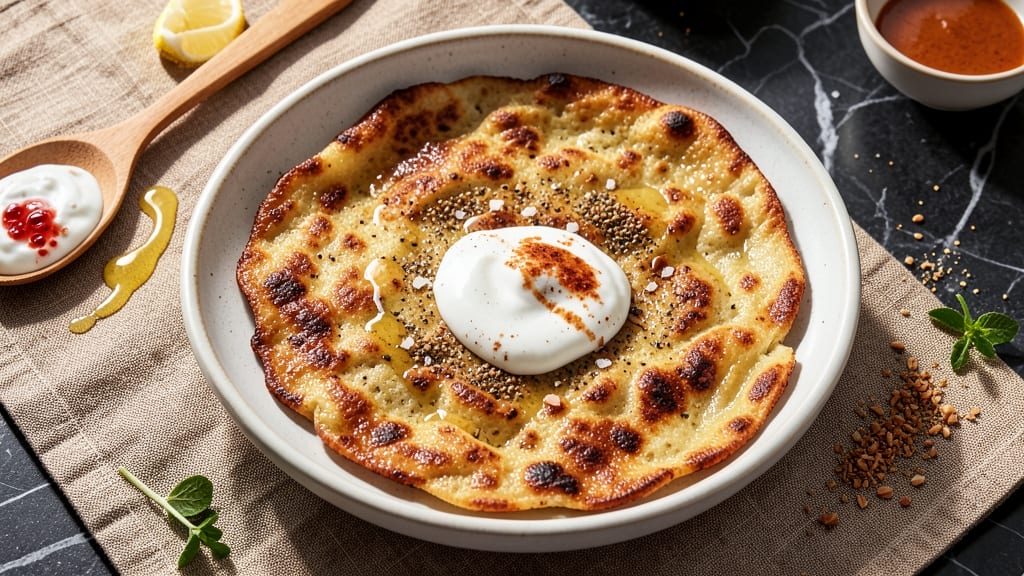
This almond flour naan bread recipe delivers the perfect balance of flaky layers and aromatic warmth without a single grain of gluten. The secret lies in the right mix of almond flour and a touch of yogurt, creating a dough that's both tender and sturdy enough to hold its shape.
I developed this recipe after years of perfecting gluten-free baking, and it's finally the one that actually holds together when baking.
The dough comes together in just 10 minutes with simple ingredients you likely already have, and the resting time allows the flavors to meld beautifully. What makes this recipe stand out is how it captures the essence of traditional naan—soft, pillowy, and slightly chewy—while being completely gluten-free.
The warm spices like cumin and garam masala add depth that pairs perfectly with curries or as a standalone treat.
By the time you pull these out of the oven, you'll have golden-brown naans with crisp edges and tender centers, infused with that signature naan aroma. The texture is what makes this recipe truly special—each bite delivers that satisfying contrast between crispy and soft.
This version works equally well for those avoiding gluten or simply looking for a lighter alternative.
Whether you're serving with butter chicken or using as a wrap for kebabs, these naans elevate any meal. The recipe scales easily for parties, and leftovers reheat beautifully in a warm oven. Here's how to make them perfectly every time.
Ingredients for almond flour naan bread
Simple gluten-free staples transform into restaurant-style naan with tender layers and aromatic warmth.
| Ingredient | Amount | Notes |
|---|---|---|
| Almond Flour 🌰 | 2 cups | Finely ground, unsweetened |
| Plain Yogurt 🥛 | ½ cup | Unflavored, full-fat preferred |
| Warm Water 💧 | ¼ cup | 100°F for best dough integration |
| Ghee or Melted Butter 🧈 | ¼ cup | For richness and flakiness |
| Garam Masala 🌶️ | 1 ½ tsp | Freshly ground preferred |
| Ground Cumin 🌿 | ½ tsp | Toasted for deeper flavor |
| Salt 🧂 | ½ tsp | Diamond Crystal preferred |
| Xanthan Gum 🧪 | ¼ tsp | Essential for gluten-free structure |
| Baking Powder 🧂 | ¼ tsp | Aluminum-free for best flavor |
| Extra-Virgin Olive Oil 🫒 | 1 tbsp | For dough elasticity |
| Fresh Cilantro 🌿 | ¼ cup | Finely chopped, for garnish |
| Ghee or Melted Butter 🧈 | 2 tbsp | For brushing naan after baking |
Almond flour is the backbone here—Bob's Red Mill or Anthony's brands yield the best texture. Look for finely ground flour without added oils or sweeteners. The yogurt should be plain and full-fat (Greek or regular), not low-fat or flavored. Warm water helps activate the xanthan gum for that perfect gluten-free structure. For ghee, Gujarat or organic brands from Indian markets deliver the richest flavor, though regular butter works in a pinch. The garam masala should be freshly ground—pre-mixed blends often taste stale.
No ghee? Melted coconut oil or extra-virgin olive oil works, though the flavor won't be identical. Substitute 1/4 tsp cardamom + 1/4 tsp cinnamon if garam masala is unavailable. For the yogurt, unsweetened almond yogurt can replace dairy yogurt, but texture will differ slightly. The baking powder is non-negotiable—it's what creates those signature flaky layers. If you can't find aluminum-free, double-check the label—aluminum can leave a metallic aftertaste. Fresh cilantro is ideal, but dried cilantro at 1/4 the amount works if you're in a bind.
Store almond flour in an airtight container in a cool, dark place for up to 6 months. The dough can be refrigerated for 24 hours or frozen for 1 month. Freshly baked naans reheat best in a 350°F oven for 5-10 minutes—they crisp up beautifully. For parties, bake all naans at once and reheat individual pieces as needed. The ghee leftovers? Perfect for cooking or toasted over naan for extra richness.
Why You'll Love This Recipe
- No-Fuss Dough: I swear by this recipe because it’s just three ingredients (plus water) to make the dough—no kneading, no waiting for gluten to develop. The almond flour does all the heavy lifting, and the yogurt keeps it tender without fuss.
- Garam Masala Magic: That earthy garam masala blend? It’s the secret weapon here. The warmth lingers with every bite, especially when you brush the finished naan with ghee—like a hug in bread form, but better.
- Weeknight Workhorse: I keep a batch in the fridge all week. Warm it straight from the oven with curry, or freeze extras to toast later. It’s my go-to for lazy dinners, picnic spreads, or when I need something instantly satisfying.
- Budget-Friendly Luxury: Almond flour is pricier upfront, but one batch stretches further than regular naan. Plus, the yogurt and spices are pantry staples. Feels fancy, costs less—my kind of win.
Step-by-step instructions for almond flour naan bread
Achieve restaurant-quality flakiness with this gluten-free naan—every layer matters.
Combine Dry Ingredients for Structure
In a large mixing bowl, whisk together the 2 cups almond flour, 1.5 teaspoons garam masala, 0.5 teaspoon ground cumin, 0.5 teaspoon salt, 0.25 teaspoon xanthan gum, and 0.25 teaspoon baking powder. The xanthan gum is critical here—it mimics gluten's binding properties in gluten-free baking. Sift the mixture lightly to eliminate any lumps, then set aside.
Real talk: almond flour can be oily, so sifting helps distribute those natural oils evenly. This prevents dry spots in your naan later. Keep the bowl nearby—you'll need it for the next step.
Mix Wet Ingredients to Perfect Dough Consistency
In a separate bowl, combine the 0.5 cup plain yogurt, 0.25 cup warm water (about 100°F), 0.25 cup ghee or melted butter, and 1 tablespoon extra-virgin olive oil. The warm water helps activate the baking powder while keeping the dough workable. Stir until smooth—this mixture should be slightly thicker than heavy cream.
Here's the thing—if your dough feels too sticky after mixing, add 1 tablespoon more almond flour. Too dry? Add 1 teaspoon warm water. The ideal consistency is soft but not wet; it should hold together when pressed but still be pliable enough to roll.
Form the Dough and Rest for Elasticity
Gradually pour the wet ingredients into the dry mixture while stirring with a wooden spoon. Mix until just combined—you should still see flecks of almond flour throughout. The dough will be thick and slightly crumbly at first. Press it together gently with your hands until it forms a cohesive mass.
Divide the dough into 4 equal portions (about 6 ounces each) and roll each into a smooth ball. Wrap three of them tightly in plastic wrap and refrigerate for 30 minutes. This resting period relaxes the dough fibers, making them easier to roll out without tearing. Don't skip this—it's what gives naan its signature flakiness.
Roll and Cook for Perfect Flakiness
Working with one dough ball at a time, place it between two sheets of parchment paper. Using a rolling pin, roll it into a 6-inch circle about ⅛-inch thick. Press down gently but firmly—this prevents air pockets that could interfere with even cooking. Remove the top parchment sheet and brush the surface generously with 1 tablespoon ghee or melted butter, leaving a ½-inch border uncovered.
Heat a skillet over medium-high heat until it's very hot. Place the rolled naan in the skillet and cook for 1 minute per side, or until golden brown spots appear and the edges start to puff slightly. Watch carefully—almond flour naan burns faster than traditional versions. Transfer to a wire rack and repeat with the remaining dough balls.
Finish with Cilantro and Serve Warm
While the naan is still warm, brush the top generously with the remaining 1 tablespoon ghee or melted butter. Sprinkle with 0.25 cup finely chopped fresh cilantro and press down lightly so it adheres. Serve immediately while still warm—this is when the layers are most tender and the flavors are at their peak.
Your gluten-free naan should have a slightly crisp exterior with soft, pillowy layers inside. If any pieces feel dense, they likely didn't get enough heat during cooking. Next time, increase the skillet temperature slightly or cook for an additional 15 seconds per side. These naans pair beautifully with curries, grilled meats, or even as a base for breakfast wraps.
Pro Tips For Making Almond Flour Naan Bread
- STRETCH THE DOUGH: Almond flour dough is stubborn—knead it for a solid 8-10 minutes until it pulls away from the bowl and feels smooth but slightly tacky. I used to quit early, and my naans turned out dense and chewy. This step is the thing that matters most for that tender, pillowy texture.
- CHILL THE DOUGH: Let the dough rest in the fridge for at least 30 minutes before rolling. Sounds counterintuitive, but it relaxes the gluten (yes, even in almond flour) and makes rolling way easier. I learned this the hard way—skipping it meant fighting sticky, uneven dough that tore apart when I tried to shape it.
- USE DRY ALMOND FLOUR: Pat your rolling pin and work surface with extra almond flour—this isn’t just about preventing sticking, it’s about keeping the dough from absorbing moisture and turning gummy. I was skeptical until I tried it: the naans puffed up higher and stayed crisp longer.
- BRUSH WITH GHEE TWICE: First brush with ghee before cooking for flavor, then a second brush after the first side is golden. This seals in moisture and gives that signature glossy finish. (Yes, even if you’re impatient like me—wait for the first side to set before flipping.)
Regional styles of this recipe
Indian Street-Style Naan
For a more authentic flavor profile, add 1 teaspoon of lemon zest and ½ teaspoon of black pepper to the dough. Roll the naan slightly thicker (⅛-inch to ¼-inch) and cook in a cast-iron skillet until charred edges form.
Brush with extra ghee and sprinkle with sesame seeds before serving. This style is perfect with spicy curries or kebabs. 🌶️
Middle Eastern Za'atar Naan
Swap garam masala for 1.5 teaspoons za'atar seasoning and add ½ teaspoon of ground coriander. Roll the dough into oval shapes and bake in a preheated 400°F oven for 8-10 minutes instead of skillet-cooking.
Finish with a drizzle of olive oil and extra za'atar. This version pairs beautifully with hummus or falafel platters.
Pakistani Garlic Naan
Incorporate 3 minced garlic cloves into the wet ingredients and add ½ teaspoon of red chili powder to the dry mix. Roll the naan into smaller, 4-inch circles and cook in a hot skillet until golden and slightly puffed.
Serve with a side of garlic butter for dipping. This version is a staple in Pakistani street food culture.
Turkish Simit-Inspired Twist
Add 1 teaspoon of sugar and ½ teaspoon of cinnamon to the dough, then roll it into a long, 2-foot rope. Twist the ends and bake in a 375°F oven for 12-15 minutes until golden.
Brush with melted butter and sprinkle with crushed pistachios. This sweet-savory hybrid is inspired by Turkish simit and works as a breakfast treat.
American South-Style Cornbread Naan
Replace half the almond flour with 1 cup fine cornmeal and add ½ teaspoon of smoked paprika. Roll the naan into smaller, 3-inch rounds and cook in the skillet until crisp.
Serve with honey butter or chili for a fusion twist on Southern comfort food. This version is perfect for BBQ meals or cornbread lovers.
Vegan Coconut Naan
Use ½ cup coconut yogurt instead of plain yogurt and replace ghee with melted coconut oil. Add 1 teaspoon of turmeric for color and flavor. Roll and cook as directed, then brush with extra coconut oil and sprinkle with toasted coconut flakes.
This version is dairy-free but still packed with flavor and texture. 🌱
Nutrition facts
Frequently asked questions
Why does my almond flour naan dough keep sticking to the rolling pin?
Almond flour is naturally oily, which makes the dough stickier than traditional wheat flour doughs. To fix this, chill the dough for an extra 15 minutes before rolling, and always use parchment paper between the dough and rolling pin. If it's still sticking, dust the parchment with a tiny bit of almond flour or cornstarch instead of flour.
Can I make this recipe without xanthan gum?
Yes, but the texture will be less tender and may crumble more easily. Replace 0.25 teaspoon xanthan gum with 0.5 teaspoon psyllium husk powder or 1 tablespoon ground flaxseed mixed with 3 tablespoons water (let it gel for 5 minutes first). These alternatives help bind the dough better, though the final naan won't be quite as flaky.
How do I prevent my almond flour naan from burning?
Almond flour cooks faster than wheat flour, so keep your skillet over medium heat (not high) and watch closely. Cook for 45-60 seconds per side until golden spots appear. If it browns too quickly, reduce heat slightly or cook in batches. A cast-iron skillet retains heat better than nonstick, so it's ideal for this recipe.
Can I bake these naans in the oven instead of a skillet?
Preheat your oven to 425°F and place rolled naans on a parchment-lined baking sheet. Bake for 6-8 minutes until edges are golden. For extra crispiness, brush with ghee after baking and broil for 1-2 minutes. This method works well for larger batches and is great if you don't have a skillet.
What's the best way to reheat leftover almond flour naan?
Reheat in a 350°F oven for 3-5 minutes to restore that soft, pillowy texture. For a quick fix, wrap the naan in a damp paper towel and microwave for 10-15 seconds—this adds moisture back in. Avoid toaster ovens, as they can dry out the naan too much and make it rubbery.