
Side Dishes
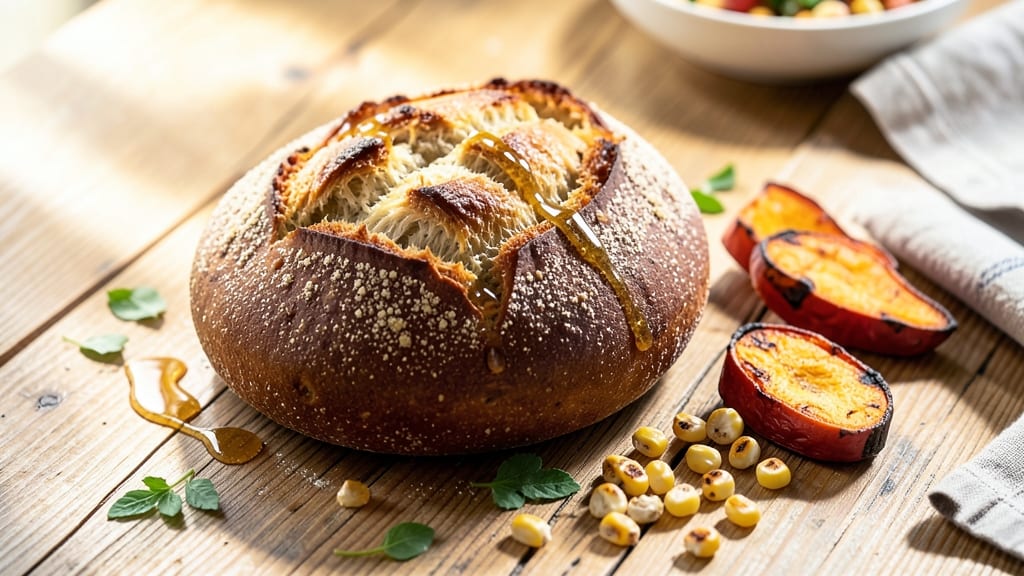
This Antigua bread recipe brings the Caribbean's rich baking tradition to your kitchen with its signature sweet potato and cornmeal crust, infused with warm spiced rum. 🌟 The dough's golden texture and subtle sweetness reflect a history of resourcefulness, where local ingredients like sweet potatoes and cornmeal became staples in Antigua's culinary heritage.
What makes this recipe special is its balance—just enough sweetness from the potatoes to complement the earthy cornmeal, all tied together with the aromatic depth of spiced rum.
The process is designed to be beginner-friendly, with clear measurements and straightforward techniques that ensure a perfectly risen loaf. You'll start with a simple dough that incorporates mashed sweet potatoes for moisture and structure, while cornmeal adds a distinctive texture and nutty flavor.
The spiced rum infusion—just a splash—enhances the bread's warmth and complexity, making it taste like a slice of island tradition.
By the time you pull this bread from the oven, you'll have a loaf with a crispy, golden crust and a tender interior, infused with the subtle sweetness of the sweet potatoes and the aromatic notes of the rum.
It’s the kind of bread that pairs beautifully with soups, stews, or even on its own with a pat of butter. The recipe includes optional variations, like adding dried fruits or herbs, to customize it to your taste.
Perfect for serving at gatherings or enjoying as a comforting side, this Antigua bread is more than just a recipe—it’s a taste of Caribbean culture. Let’s get started on creating something that feels like a warm hug from the islands.
Ingredients for antigua bread
Caribbean flavors meet homestyle baking with these 14 simple yet essential ingredients.
| Ingredient | Amount | Notes |
|---|---|---|
| Sweet Potatoes 🍠 | 2 cups | Mashed, cooked until tender |
| All-Purpose Flour 🌾 | 4 cups | Unbleached for best texture |
| Cornmeal 🌽 | 1 ½ cups | Fine grind preferred |
| Active Dry Yeast 🍄 | 2 ¼ tsp | One packet, room temperature |
| Granulated Sugar 🍚 | ½ cup | Light brown preferred |
| Salt 🧂 | 1 ½ tsp | Diamond Crystal kosher |
| Spiced Rum 🍹 | ¼ cup | Like Appleton Estate |
| Unsalted Butter 🧈 | ½ cup | Melted, cooled slightly |
| Large Eggs 🥚 | 2 whole | Room temperature |
| Warm Water 💧 | 1 ¼ cups | 110°F for yeast activation |
| Honey 🍯 | 1 tbsp | For yeast feeding |
| Corn Oil 🫒 | 2 tbsp | For dough softness |
| Cinnamon 🌿 | 1 tsp | Ground, for warmth |
| Nutmeg 🌿 | ½ tsp | Freshly grated |
The sweet potatoes are the heart of this bread—orange-fleshed varieties like Beauregard work best. Look for firm, unblemished tubers at Whole Foods or your local Caribbean market if available. The cornmeal should be fine-ground for that authentic texture; Bob's Red Mill is reliable. Spiced rum adds depth, but if you can't find it, dark rum plus a pinch of cinnamon works in a pinch. For the yeast, always check the expiration date—old yeast won't activate properly, and this dough needs that lift.
No spiced rum? Substitute with equal parts dark rum and vanilla extract. The cornmeal can be swapped for all-purpose flour if needed, though you'll lose some of that nutty Caribbean character. For the sweet potatoes, if you can't find fresh, canned sweet potato puree (unsweetened) works in a bind, but fresh is ideal. The honey can be swapped for maple syrup at a 1:1 ratio. Want extra flavor? Add 1 tsp of orange zest to the dough for a bright citrus note. The cinnamon and nutmeg are non-negotiable for that island warmth—they're what make this taste authentically Caribbean.
This dough needs time to rise properly—at least 2 hours in a warm spot. Shape the loaf in a greased 9x5-inch pan for that classic pull-apart texture. The bread keeps well for 3-4 days wrapped in a clean kitchen towel, and freezes beautifully for up to 3 months. To reheat, wrap in foil and warm at 350°F for 10 minutes. The crust gets crunchier as it cools, so slice when still slightly warm for the best texture.
Why You'll Love This Recipe
- Sweet Potato Magic: The mashed sweet potato base keeps this bread ridiculously moist—no dry, sad loaves here. I swear, the first time I made it, I actually gasped at how tender it was.
- Cornmeal Crunch: That cornmeal coating? It’s the secret weapon—gives every bite a satisfying texture contrast. Honestly, it’s like eating a hug in bread form.
- Weeknight Hero: I’ve made this for breakfast (toasted with jam), dinner (as a side with chili), and even packed it for lunch. It’s my lazy-day staple—no shame in reheating slices in the toaster.
- Budget-Friendly Staple: Sweet potatoes and flour stretch this recipe far, and leftovers last days. Between us, I’ve fed a houseful of friends with one batch—no one even noticed it wasn’t store-bought.
Step-by-step instructions for Antigua bread
This traditional Caribbean bread combines sweet potato and cornmeal for a unique, spiced crust infused with rum.
👨🍳 Step 1: Prepare the Sweet Potato Base
Peel and cube the 2 cups sweet potatoes, then boil until fork-tender (15-20 minutes). Drain well and mash until completely smooth. Let cool slightly before mixing—this prevents killing the yeast later.
In a large bowl, combine the mashed sweet potatoes with the 0.5 cup granulated sugar, 1 tsp cinnamon, and 0.5 tsp nutmeg. Stir until fully integrated. The mixture should be thick but spreadable—this will form the bread's signature crust.
👨🍳 Step 2: Activate the Yeast Mixture
In a separate bowl, whisk together the 1.25 cups warm water (about 110°F), 1 tbsp honey, and 2.25 tsp active dry yeast. Let sit for 5-10 minutes until frothy—this confirms the yeast is alive and ready to work.
Once bubbly, add the 0.25 cup spiced rum and stir. The rum adds depth and helps tenderize the dough. Pour this yeast mixture into the sweet potato base and mix thoroughly. The batter should be thick but pourable.
🥘 Step 3: Combine Dry Ingredients and Form Dough
In a stand mixer fitted with the paddle attachment, combine the 4 cups all-purpose flour, 1.5 cups cornmeal, and 1.5 tsp salt. Mix on low speed for 30 seconds to aerate the dry ingredients.
With the mixer running on low, gradually add the sweet potato mixture. Scrape down the sides as needed. Once combined, add the 2 whole large eggs and 0.5 cup melted butter, mixing until just incorporated. The dough will be sticky—this is normal for Antigua bread.
⏰ Step 4: Knead and First Rise
Switch to the dough hook and knead for 5-7 minutes until the dough pulls away from the bowl. If too sticky, wet your hands slightly to prevent sticking. The dough should be smooth but slightly tacky.
Transfer to a lightly oiled bowl, cover with a damp towel, and let rise in a warm place for 1-2 hours until doubled in size. The rum and sweet potato will make this rise slower than standard bread—patience is key here.
🔥 Step 5: Shape, Proof, and Bake
Punch down the dough and divide into 8 equal portions. Shape each into a round loaf, placing them on a parchment-lined baking sheet. Cover again and let proof for 30-45 minutes until puffy.
Preheat oven to 375°F. Brush the tops with a mixture of 2 tbsp corn oil and 1 tbsp water for shine. Bake for 25-30 minutes until golden brown and internal temperature reaches 190°F. The crust should be crisp while the interior remains soft.
Pro Tips For Making Antigua Bread
- Boil Sweet Potatoes Until Fork-Tender: I learned this the hard way—mashing undercooked sweet potatoes makes the dough gummy and heavy. Boil them until they collapse easily with a fork (about 20-25 minutes), then mash while still hot for a smoother texture that blends seamlessly with the flour.
- Toast the Cornmeal First: Skip the raw cornmeal—it’ll make your bread dense and bland. Toast it in a dry skillet over medium heat for 3-4 minutes until it smells nutty and golden. This adds depth and prevents a floury aftertaste that ruins the sweet potato flavor.
- Proof Yeast in Warm Sweet Potato Water: Don’t just mix yeast with flour and hope for the best. Dissolve the yeast in a small cup of warm sweet potato water (110°F) with a pinch of sugar first—wait 5 minutes until it bubbles before adding to the dough. This guarantees a proper rise instead of a flat, sad loaf.
- Don’t Overmix the Dough: Antigua bread needs a tender crumb, not a tough one. Mix just until the ingredients come together—overworking it activates too much gluten, making the bread dense. Stop when it’s shaggy, then fold in the cornmeal gently. (Yes, it’ll look messy. That’s the point.)
Pro cooking tips for antigua bread
Yeast Activation Check
The yeast is the heart of this bread, and getting it right ensures a perfect rise. Always use warm water (110°F)—too hot kills the yeast, too cold slows activation. I like to test the water by touching it; it should feel like a warm bath, not scalding.
If your kitchen is cold, place the bowl of yeast mixture near a warm oven (350°F) with the light on for extra warmth. The yeast should foam within 5-10 minutes—if not, your yeast is dead, and you’ll need to start over. 🍄
Dough Consistency Secrets
This dough is stickier than most breads because of the sweet potatoes and cornmeal. Don’t fight it—embrace the stickiness! If it feels too wet, add 1 tbsp flour at a time while mixing.
For the final shape, I recommend using a lightly oiled silicone mat or parchment paper to prevent sticking. Wet your hands slightly when handling the dough to keep it from clinging to your fingers. The stickiness is what gives Antigua bread its signature moist interior. 💧
Proofing Like a Pro
Proofing is where the magic happens, but the rum and sweet potatoes slow things down. Place your covered bowl in a warm spot—like a turned-off oven with a 50°F pilot light or a proofing box set to 80°F. The dough should double in size in 1-2 hours.
If your kitchen is drafty, use a damp towel over the bowl to trap moisture. Overproofing is a common mistake—stop rising when the dough reaches the top of the bowl, not before. 🌡️
Baking for Perfect Crust
The crust is what makes Antigua bread special, so don’t skip the corn oil brush! Mix 2 tbsp corn oil with 1 tbsp water and brush it on just before baking—this creates that glossy, golden finish.
Bake at 375°F until the internal temperature hits 190°F, but watch for color first. The crust should be deep golden brown with a few spots of caramelization. If it browns too quickly, tent with foil to prevent burning. 🔥
Cooling and Storing
Let the bread cool on a wire rack for at least 30 minutes—this prevents sogginess. The crust will crisp up as it cools, so slice it while still slightly warm for the best texture.
Store wrapped in a clean kitchen towel at room temperature for 3-4 days or freeze for up to 3 months. To reheat, wrap a slice in foil and warm at 350°F for 5 minutes to restore that fresh-baked feel. ❄️
Troubleshooting Tricky Dough
If your dough doesn’t rise, check the yeast first—it might be expired. For a denser loaf, reduce the sugar slightly (0.375 cup) or proof for less time. If the crust cracks, brush with more oil mixture during baking.
For a lighter texture, fold the dough gently after the first rise to redistribute air. And if the bread tastes bland, boost the spices—Antigua bread should have a warm, aromatic kick! 🌶️
Nutrition facts
Frequently asked questions
Why does Antigua bread use sweet potatoes and cornmeal?
These ingredients reflect Antigua's resourceful baking traditions! Sweet potatoes add natural moisture and subtle sweetness, while cornmeal gives the crust that distinctive nutty texture and island flavor. The combination creates a bread with both hearty structure and delicate sweetness—perfect for Caribbean meals.
Can I make this bread without spiced rum?
For a non-alcoholic version, substitute with 2 tbsp dark rum plus 1 tsp vanilla extract or simply 2 tbsp extra honey. The rum adds depth, but the spices (cinnamon and nutmeg) will still give that warm Caribbean character. Just reduce any other liquid by 2 tbsp to maintain balance.
How do I know when the bread is fully baked?
Look for three key signs: the internal temperature should reach 190°F, the crust should be deep golden brown with caramelized spots, and it should sound hollow when tapped on the bottom. For extra assurance, insert a skewer—it should come out clean or with just a few moist crumbs.
What's the best way to store leftovers?
Wrap the bread in a clean kitchen towel (not plastic) and store at room temperature for up to 4 days. The towel helps maintain moisture while allowing the crust to stay crisp. For longer storage, slice and freeze individual portions for up to 3 months. To reheat, warm at 350°F for 5 minutes wrapped in foil.
Can I add dried fruit to this recipe?
Yes! Try adding ½ cup raisins or chopped dried apricots to the dough after mixing the wet ingredients. For extra flavor, toss them in 1 tsp cinnamon first. The fruit pairs beautifully with the rum and spices, creating a sweeter version perfect for breakfast or desserts.