
Side Dishes
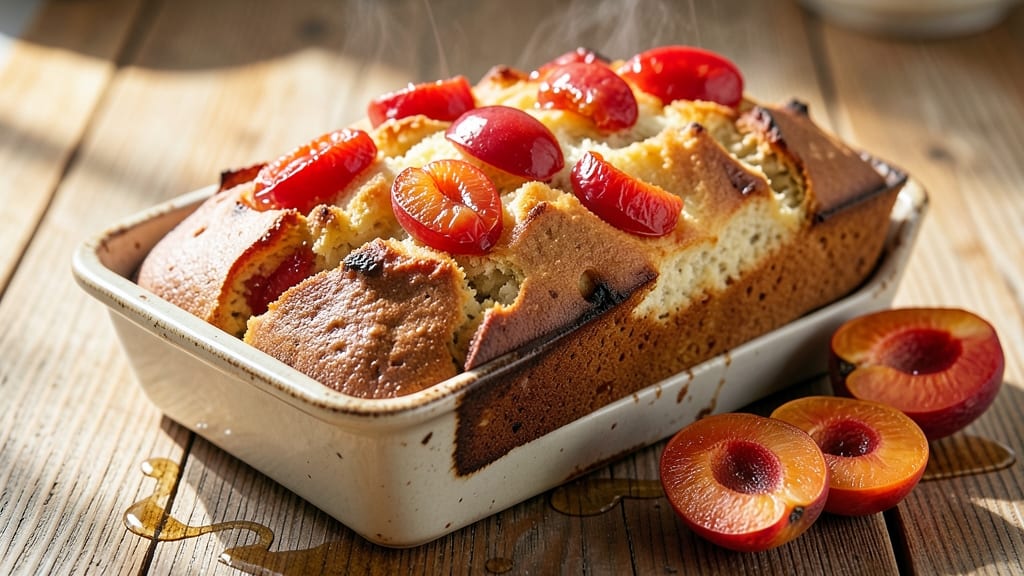
This apricot loaf bread recipe transforms a classic yeast loaf into a golden, fragrant masterpiece with swirls of jammy apricot throughout. The secret lies in balancing sweetness with a crisp, buttery crust that crackles with every bite—perfect for breakfast toast or elegant dessert slices.
I developed this version after years of experimenting with fruit loaves, refining the dough to achieve that ideal tender crumb while keeping the apricot swirls vibrant and gooey.
What sets this recipe apart is the two-stage proofing technique that creates an airy, even texture, along with a simple glaze that adds shine and extra sweetness.
You'll work with traditional yeast dough but with a modern twist—the apricot puree or jam swirled in before baking infuses every slice with fruity depth. The dough is forgiving enough for beginners but delivers professional results that will impress even experienced bakers.
By the time it emerges from the oven, you'll have a loaf with a golden crust, tender crumb, and pockets of apricot that stay moist and flavorful. The aroma alone will fill your kitchen with warmth, while the texture balances crisp edges with soft, pillowy centers.
This is the kind of bread that disappears quickly—whether served with butter, jam, or as a sweet treat on its own.
For best results, let the bread cool completely before slicing to maintain those perfect swirls. Pair with morning coffee, afternoon tea, or serve as a dessert with a dusting of powdered sugar.
The recipe scales easily for gifts or gatherings, and leftovers keep well for days wrapped in foil. Here's how to make it perfect every time.
Ingredients for apricot loaf bread
Golden crust, gooey apricot swirls—just 12 ingredients for a showstopper loaf.
| Ingredient | Amount | Notes |
|---|---|---|
| All-Purpose Flour 🌾 | 4 ½ cups | Sifted for even texture |
| Active Dry Yeast 🍞 | 2 ¼ tsp | One packet for convenience |
| Granulated Sugar 🍚 | ½ cup | For dough and glaze |
| Unsalted Butter 🧈 | ½ cup | Cold for dough, softened for glaze |
| Large Eggs 🥚 | 2 whole | Room temperature for mixing |
| Milk 🥛 | ½ cup | Warm for yeast activation |
| Salt 🧂 | 1 tsp | Kosher or sea salt |
| Apricot Jam 🍑 | ½ cup | Unsweetened for balance |
| Apricot Puree 🍑 | ½ cup | Homemade or store-bought |
| Powdered Sugar 🍚 | ¼ cup | For glaze and dusting |
| Vanilla Extract 🌿 | 1 tsp | Pure extract preferred |
| Ground Cinnamon 🌶️ | ½ tsp | Optional for warmth |
The flour is your foundation, so grab King Arthur or Gold Medal for that perfect tender crumb. Local bakeries often have great organic options too. For the apricot jam, Mott's or Bonne Maman are my go-tos—they're unsweetened and jam-packed with flavor. If you're feeling fancy, make your own apricot puree by simmering fresh apricots with a touch of sugar, then blending. The yeast? Check the expiration date—it should be fresh, not past its prime. And trust me, room-temperature eggs mix so much better into the dough.
No apricot jam? Peach or plum jam works in a pinch, but stick with apricot for that classic flavor. Short on puree? Extra jam plus a splash of water mimics the texture. The dough gets sticky—don't stress, just wet your hands or use a dough scraper. Swapping the butter for vegetable shortening makes the crust extra crispy, but butter gives that rich flavor. For the glaze, if you're out of powdered sugar, confectioners' sugar is the same thing—just make sure it's lump-free. And if you've got extra vanilla, now's the time to use it up!
This dough is a beast—it needs 2 hours of proofing time at room temp, then another hour in the fridge. Wrap it tightly in plastic or a damp towel to keep it from drying out. The glaze sets fast, so work quickly when you're drizzling it on. Store leftovers in an airtight container for 3-4 days, or freeze slices for up to 3 months. Pro tip: Brush the crust with extra melted butter before baking for that golden, crackly finish everyone loves.
Why You'll Love This Recipe
- No Yeast Fuss: I swear by this—just toss in the yeast with warm water, sugar, and a pinch of flour, then let it sit while I chop the apricots. Fifteen minutes later, it’s ready to go, no waiting around for it to proof forever like some fussy sourdough starter.
- Sweet But Not Cloying: That balance of tender crumb and juicy apricot chunks? Chef’s kiss. The butter and eggs keep it rich without tasting heavy, and the sugar caramelizes just enough to give every slice a subtle depth—like a hug from your grandma’s kitchen.
- Breakfast or Snack Hero: I’ve had this cold with peanut butter for a lazy morning, toasted with jam for a picnic, and even sliced thin for sandwiches. The loaf holds up perfectly—no soggy middle, no weird textures. Honestly, it’s my go-to for anything that needs a little sweetness without trying too hard.
- Leftovers That Last: This bread stays fresh for days if wrapped tight, and it freezes like a dream. I make a double batch on Sundays, then pull out slices all week—whether it’s for toast, French toast, or just straight from the fridge with a smear of butter. Zero waste, maximum convenience.
Step-by-step instructions for apricot loaf bread
Here's how to create a golden, fragrant loaf with sweet apricot swirls that'll make your kitchen smell amazing.
👨🍳 Step 1: Activate the Yeast and Mix the Dough
In a small bowl, combine the 0.5 cup warm milk (about 110°F) with the 0.5 cup granulated sugar and 2.25 tsp active dry yeast. Let it sit for 5-10 minutes until it becomes frothy and bubbly—this tells you your yeast is alive and ready to work. If it doesn't bubble, your yeast might be dead, and you'll need to start over.
In a large mixing bowl, whisk together the 4.5 cups all-purpose flour (sifted for that perfect light texture), 1 tsp salt, and 0.5 tsp ground cinnamon if using. Add the yeast mixture and 2 whole large eggs (room temperature for easier mixing) to the dry ingredients. Use a wooden spoon to stir until everything just comes together into a shaggy mass.
Now add the 0.5 cup cold unsalted butter, cut into small pieces. Use your hands or a dough hook attachment on a stand mixer to knead the dough for 5-7 minutes until it becomes smooth and elastic. The dough should be slightly tacky but not sticky—if it sticks to your fingers, add a little more flour, 1 tablespoon at a time.
🥘 Step 2: Incorporate the Apricot Filling and First Rise
In a separate small bowl, mix together the 0.5 cup apricot jam and 0.5 cup apricot puree until smooth. This will be your delicious filling. Roll the dough into a rectangle about 12x8 inches on a lightly floured surface. Spread the apricot mixture evenly over the dough, leaving a ½-inch border around the edges.
Starting from the long side, tightly roll up the dough into a log, pinching the seam to seal. Place the loaf seam-side down in a lightly greased 9x5-inch loaf pan. Cover the pan with a clean kitchen towel and let the dough rise in a warm place for 1-1.5 hours or until it has nearly doubled in size. You'll know it's ready when the dough reaches the top of the pan and springs back slowly when gently pressed.
🔥 Step 3: Shape, Glaze, and Bake to Golden Perfection
Preheat your oven to 350°F. Once the dough has risen, carefully remove it from the pan and place it on a parchment-lined baking sheet. Make a shallow slit down the center of the loaf using a sharp knife—this helps the bread expand and gives it that beautiful crust. Return the loaf to the pan and let it rest for 10 minutes while the oven finishes preheating.
In a small bowl, whisk together the 0.25 cup powdered sugar, 1 tsp vanilla extract, and 1-2 tablespoons milk until smooth. This will create a beautiful, glossy glaze. Brush this mixture evenly over the top of the loaf right before baking. Bake for 45-50 minutes until the bread is deep golden brown and sounds hollow when tapped on the bottom.
Here's the thing—don't open the oven during baking or the bread will sink. If the top browns too quickly, loosely tent it with aluminum foil after 25 minutes to prevent over-browning while the center finishes cooking. The internal temperature should reach 190-200°F when done.
⏰ Step 4: Cool and Serve with Confidence
Remove the loaf from the oven and let it cool in the pan for 10 minutes. Then transfer it to a wire rack to cool completely for at least 1 hour. This resting period is crucial—it allows the bread to set properly and prevents a gummy texture. The aroma of freshly baked apricot bread will fill your home, and you'll be glad you waited!
Once cooled, slice the loaf into 8 even pieces using a serrated knife. Each slice should reveal beautiful swirls of apricot filling throughout the tender crumb. The exterior should be crisp and golden, while the interior remains soft and slightly chewy. Serve warm with butter or jam for the ultimate treat—your apricot loaf bread is now ready to impress!
Pro Tips For Making Apricot Loaf Bread
- Use Room-Temp Butter: I learned this the hard way—cold butter pockets in dough make for a dense, chewy loaf. Let that butter sit out for 30-45 minutes until it’s soft enough to press into the flour with your fingers (not melt). The texture difference is night and day, and your apricot filling will thank you for the even crumb.
- Proof Yeast in Warm Milk: Skip the water and proof your yeast in a splash of warm milk (or milk substitute) instead. The fat in dairy helps the yeast activate faster and gives your dough a richer flavor right from the start. Use about ¼ cup—just enough to cover the yeast and sugar, and let it sit until it’s bubbly and frothy (5-10 minutes max).
- Don’t Overmix the Dough: After adding the eggs and sugar, resist the urge to punch and fold like you’re kneading bread dough. This recipe’s tender crumb comes from a gentle mix—just combine until the flour is mostly incorporated, then fold in the apricot filling by hand. Overmixing develops gluten, and you’ll end up with a tough, dry loaf instead of that melt-in-your-mouth texture.
- Bake Until Internal Temp Hits 190°F: That golden-brown crust might look perfect, but pull the loaf when the center reaches 190°F—any lower and the crumb stays gummy. I used to eyeball it and end up with a dense middle, so grab that instant-read thermometer. If you’re without one, tap the bottom: it should sound hollow, not muffled.
Common mistakes when making great apricot loaf bread
Over-Kneading the Dough
I’ve seen many home bakers overwork the dough, thinking more kneading equals better texture—but that’s not the case with this apricot loaf. Knead for only 5-7 minutes by hand or with a stand mixer. Over-kneading develops too much gluten, which makes the bread tough instead of tender.
If your dough feels resistant and springs back slowly when poked, it’s overdone. The ideal dough should be smooth, elastic, and slightly tacky to the touch. 💫
Skipping the Warm Milk Test
Always check if your yeast is active before mixing it into the dough. If you skip the 5-10 minute warm milk test (where yeast should bubble and foam), you might end up with flat, dense bread.
The milk should be around 110°F—too hot and you’ll kill the yeast; too cold and it won’t activate. If it doesn’t bubble, toss it and start fresh with a new packet. Trust me, this small step saves you from disappointment later.
Underproofing the Dough
Rushing the 1-1.5 hour proofing time is a common mistake that leads to dense, uneven loaves. The dough needs time to rise fully so the apricot filling stays gooey and the crumb becomes light.
Press your finger gently into the dough—if it springs back quickly, it’s not ready. If it leaves a slow indentation, it’s perfect. Patience here makes all the difference in texture and flavor.
Opening the Oven Too Soon
Peeking at your bread while it bakes might be tempting, but resist! Opening the oven during the first 25 minutes causes the loaf to sink and lose its rise. The steam inside the oven helps create that airy texture.
If the top browns too quickly, tent it loosely with aluminum foil instead. The bread will still bake through without collapsing. 🔥
Skipping the Resting Period
After baking, letting the loaf cool in the pan for 10 minutes is crucial, but transferring it to a wire rack for at least 1 hour is non-negotiable. Cutting into it too soon releases trapped steam, making the crumb gummy instead of tender.
The apricot filling also needs time to set properly. I promise, waiting makes the final result worth it—every slice will have that perfect balance of crisp crust and soft interior.
Using Cold Ingredients
Cold butter, eggs, or milk can slow yeast activity and lead to uneven baking. Always use room-temperature eggs and warm milk (around 110°F) for the yeast. Cold butter should be cut into small pieces and mixed in last.
These small adjustments ensure the dough rises evenly and bakes uniformly. A little prep time here saves you from a flat loaf later.
Nutrition facts
Frequently asked questions
Can I substitute apricot jam for apricot puree?
Yes, but adjust the texture! Use 0.5 cup jam plus 1 tablespoon water to mimic the puree's consistency. The jam will create thicker swirls, so spread it thinner when rolling the dough. For extra gooeyness, warm the jam slightly before mixing.
Why did my loaf sink in the middle?
Most likely underproofing or opening the oven too soon. The dough needs 1-1.5 hours to fully rise—press your finger gently: if it springs back quickly, it's not ready. Also, resist peeking during the first 25 minutes of baking to maintain oven steam.
How do I store leftovers?
Wrap cooled slices in plastic wrap or store in an airtight container at room temperature for 3-4 days. For longer storage, freeze slices for up to 3 months. Reheat in a 350°F oven for 5-7 minutes to restore freshness. The crust stays crispy when properly wrapped!
Can I make this gluten-free?
Yes, but expect a denser texture. Replace the all-purpose flour with a 1:1 gluten-free baking flour blend (like Bob's Red Mill) plus ½ tsp xanthan gum. Use an extra 1 tablespoon of milk as gluten-free doughs are drier. Proofing time may need extending to 2 hours.
What's the best way to reheat slices?
For crispy crust: Wrap slices in foil and warm at 350°F for 5-7 minutes. For gooey filling: Toast in a 375°F oven for 3-4 minutes until golden. Microwaving works in a pinch (20 seconds), but it makes the crust soggy. Always reheat from room temperature for even warming.