
Side Dishes
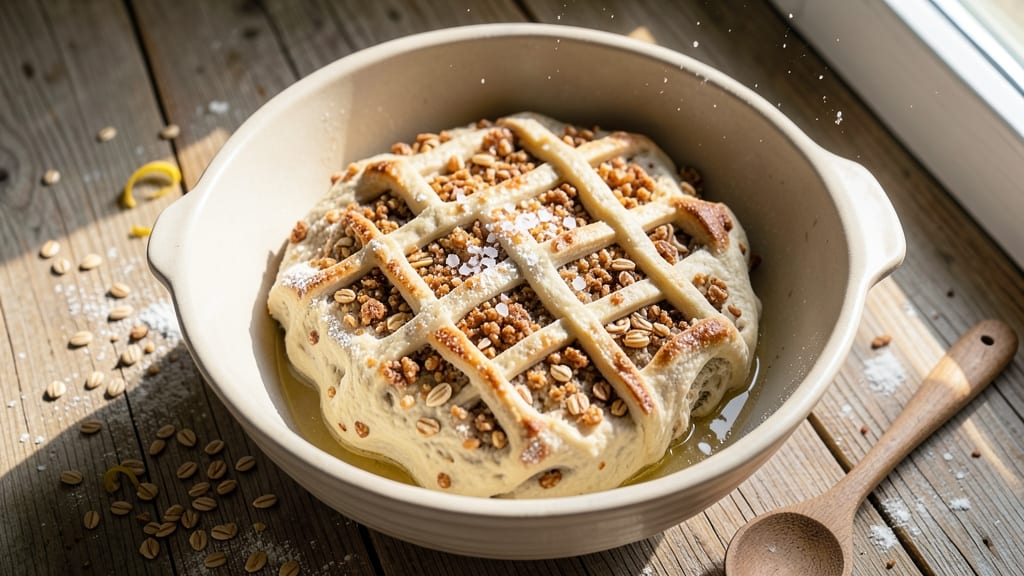
This artisan oat bread recipe delivers the perfect balance of crispy Dutch oven crust and pillowy softness inside—exactly what separates homemade bread from store-bought. The secret lies in the combination of whole-grain oats and proper hydration, which creates that signature chewy texture while maintaining an open crumb structure.
I've perfected this recipe over years of baking, and it consistently yields a loaf that's rustic yet refined, with a nutty oat flavor that pairs beautifully with soups, sandwiches, or butter.
The process begins with a simple dough made from bread flour, rolled oats, yeast, and water, but the magic happens during the slow fermentation and Dutch oven bake. This method ensures even heat distribution, giving you a golden-brown crust with deep flavor development.
Unlike quick breads, this recipe requires patience—allowing the dough to rise properly and bake at 425°F for 30 minutes creates that ideal texture contrast you crave in artisan bread.
What makes this recipe stand out is its versatility—you can keep it classic with just oats and flour, or add seeds, nuts, or whole grains for extra texture and nutrition. The result is a loaf that's sturdy enough for sandwiches but tender enough to melt in your mouth.
Whether you're a seasoned baker or just starting out, this foolproof method will give you restaurant-quality bread at home.
Once baked, let the loaf cool completely before slicing to preserve that perfect crust-to-crumb ratio. Serve warm with honey butter or use it as the base for your favorite sandwiches.
The aroma alone will have everyone asking for seconds—this is bread that feels like a hug for your taste buds.
Ingredients for artisan oat bread
Five core ingredients plus a few optional extras create this artisan masterpiece.
| Ingredient | Amount | Notes |
|---|---|---|
| Bread Flour 🌾 | 3 ½ cups | High-protein for chewy texture |
| Rolled Oats 🥣 | 1 cup | Old-fashioned, not quick oats |
| Active Dry Yeast 🍞 | ¼ oz | Or 2.5g, test in warm water |
| Granulated Sugar 🍚 | 1 tbsp | Feeds yeast for fermentation |
| Salt 🧂 | 1 ½ tsp | Diamond Crystal preferred |
| Water 💧 | 1 ½ cups | Lukewarm, 105-110°F |
| Extra-Virgin Olive Oil 🫒 | ¼ cup | For dough elasticity |
| Honey 🍯 | 1 tbsp | Optional for subtle sweetness |
| Sunflower Seeds 🌻 | ¼ cup | Optional topping, toasted |
| Sesame Seeds 🌿 | 1 tbsp | Optional topping, toasted |
| Cornmeal 🌽 | ½ cup | For Dutch oven dusting |
The bread flour is non-negotiable here—King Arthur or Caputo are my go-tos for that perfect chewy crumb. Rolled oats should be old-fashioned, not quick oats—they add texture without gummy results. Active dry yeast is a must; instant yeast requires different hydration. For the water, lukewarm is key—too hot kills yeast, too cold slows fermentation. I always grab my olive oil from Trader Joe's—their Italian blend has just the right balance of fruitiness. The honey adds subtle sweetness that caramelizes beautifully during baking, but skip it if you prefer a more neutral flavor profile.
No rolled oats? Blended steel-cut oats work in a pinch, but texture will differ slightly. Swap the sunflower seeds for pumpkin seeds or chopped walnuts if you prefer. Diamond Crystal salt is ideal because it measures differently than table salt—reduce other salts by 25% if substituting. The cornmeal is optional but helps create that signature crispy crust. For a gluten-free version, replace flour with a 1:1 GF blend and reduce water by 1 tbsp. The yeast test is critical—drop a pinch in warm water with sugar; if it foams in 5 minutes, it's active.
Store the dough in the fridge for up to 24 hours if prepping ahead—this enhances flavor development. Once baked, let the loaf cool completely on a wire rack before slicing to preserve that crust-to-crumb ratio. Wrap tightly in beeswax wrap or foil to maintain freshness for 3-4 days. For longer storage, slice and freeze portions—3 months works perfectly. The aroma alone will have everyone asking for seconds; this is bread that feels like a hug for your taste buds.
Why You'll Love This Recipe
- No-Knead Magic: I swear by the overnight rise—just mix, cover, and wake up to a loaf that’s practically baked itself. The oats add a subtle chewiness without extra work, and the yeast does all the heavy lifting while you sleep.
- Toasty Crunch: That first bite? The rolled oats toast up into a nutty, golden crust while the inside stays soft and pillowy. Honestly, it’s the kind of bread that makes you slow down just to enjoy it—no butter needed.
- Weeknight Workhorse: Slice it for sandwiches, toast it for breakfast, or serve it warm with soup. Between us, I’ve even used it as a base for open-faced meals when I’m too tired to plan. It’s the one loaf that does it all.
- Pantry Staple: A single batch feeds my family for days—leftovers turn into croutons, breadcrumbs, or even French toast. And with just flour, oats, and yeast? It’s about as budget-friendly as bread gets without sacrificing flavor.
Step-by-step instructions for artisan oat bread
This method delivers that coveted Dutch oven crust with a tender, open crumb—every time.
Activate the Yeast for Maximum Rise
In a small bowl, combine the 1.5 cups water with the 1 tbsp granulated sugar and stir until fully dissolved. Sprinkle the 0.25 oz active dry yeast over the surface and let it sit for 5-10 minutes until it becomes frothy. This step ensures your yeast is alive and ready to work—if nothing happens after 10 minutes, your yeast might be dead, and you'll need to start over.
While waiting, pulse the 1 cup rolled oats in a food processor until they resemble coarse sand. This creates a fine oat flour that blends seamlessly into the dough. If you don't have a food processor, you can grind them in a high-speed blender or leave them whole for a heartier texture. I prefer the finer grind for that silky crumb.
Mix the Dough for Optimal Texture
In a large mixing bowl, whisk together the 3.5 cups bread flour, 1.5 tsp salt, and the ground oats. Create a well in the center and pour in the yeast mixture along with the 0.25 cup extra-virgin olive oil and 1 tbsp honey. Using a wooden spoon, stir until a shaggy dough forms—this prevents overdevelopment of gluten at this early stage.
Once the dough comes together, turn it out onto a lightly floured surface and knead for 8-10 minutes by hand. You're looking for a smooth, slightly tacky dough that springs back when poked. The high-protein bread flour and olive oil will give you that perfect balance of chewiness and softness. If the dough feels too sticky after kneading, add flour 1 tablespoon at a time until it reaches the right consistency.
First Rise for Flavor Development
Lightly oil a large bowl, place the dough inside, and cover it with a damp kitchen towel. Let it rise in a warm spot (I like to turn on my oven light) for 1-2 hours, or until it has nearly doubled in size. The dough should feel light and airy when pressed gently—this indicates proper fermentation. If your kitchen is cold, place the bowl near a warm spot like the top of your fridge or a sunny windowsill to speed up the process.
During this time, preheat your oven to 450°F and place a Dutch oven with its lid on the middle rack. The Dutch oven needs to get hot before you add the dough—this creates that signature crispy crust. While it preheats, toast the 0.25 cup sunflower seeds and 1 tbsp sesame seeds in a dry skillet over medium heat for 2-3 minutes until golden. These will become your bread's crunchy topping.
Shape and Score for Professional Results
Turn the risen dough out onto a lightly floured surface and gently shape it into a round loaf, about 8 inches in diameter. Don't press too hard—you want to maintain those air pockets created during fermentation. Place the dough seam-side down in the preheated Dutch oven, which should now be hot and ready. Sprinkle the toasted seeds evenly over the top.
Using a sharp razor blade or very sharp knife, score the top of the dough with a ½-inch deep cross (like a plus sign). This prevents the bread from bursting open during baking and gives it that beautiful, controlled crack. The scoring should be deep enough to go through the crust but not into the dough below—this ensures the bread expands properly while maintaining its shape.
Bake to Golden Perfection
Immediately cover the Dutch oven with its lid and bake for 30 minutes. After 30 minutes, remove the lid and continue baking for another 10-15 minutes until the bread is deep golden brown and sounds hollow when tapped on the bottom. The internal temperature should reach 190-200°F—this ensures a fully baked loaf with no raw centers.
Let the bread cool in the Dutch oven for 10 minutes before transferring it to a wire rack. This gradual cooling prevents the crust from becoming soggy. The bread will be incredibly hot—wait at least 30 minutes before slicing to allow the crumb to set properly. Each slice should reveal that beautiful open crumb with pockets of air, and the crust should be crisp enough to stand up to butter without crumbling.
Pro Tips For Making Artisan Oat Bread
- TOAST THE OATS: Toss those rolled oats in a dry skillet over medium heat for 3–4 minutes until they smell nutty and toasted—this deepens their flavor and prevents that weird, raw taste in your bread. (Yes, it’s an extra step, but your slice will taste like you spent all day baking.)
- KNEAD LESS, REST MORE: Artisan oat bread doesn’t need the heavy-duty kneading of baguettes—just mix the dough until it’s shaggy, then let it autolyse (rest 20 minutes) before adding yeast. The gluten develops better this way, and you’ll avoid overworking the oats into mush.
- WEIGH THE FLOUR: Scooping bread flour from the bag packs in air, which means your dough will be drier and less consistent. Use a kitchen scale and spoon flour into the bowl—level it off, but don’t press down. Trust me, your loaf’s texture will thank you.
- STEAM THE OVEN: Slide a baking sheet under the rack and pour boiling water into it right as the bread goes in—this mimics a steam injection and gives you that perfect chewy crust without a Dutch oven. (Bonus: Cleanup’s easier than you’d think.)
Perfect pairings for this artisan oat bread
Butter Spreads
Nothing complements this artisan oat bread like honey butter—mix ½ cup softened butter with 2 tbsp honey and a pinch of sea salt. The sweetness balances the bread's nutty depth, while the salt enhances every bite.
For a savory twist, try garlic-herb butter by blending ½ cup butter with 1 minced garlic clove, 1 tbsp chopped parsley, and ½ tsp lemon zest. 🌟
Soup Pairings
This bread shines with creamy tomato basil soup—the crust soaks up the broth beautifully. For heartier meals, pair with New England clam chowder, where the oat texture contrasts the richness. I also love it with miso-glazed miso soup for an umami-packed combo that feels both comforting and sophisticated.
Cheese Boards
Create a rustic cheese board featuring this bread alongside aged cheddar, brie, and blue cheese. The oat's chewy texture holds up against creamy brie while providing contrast to sharp cheddar.
Add fig jam or whipped honey for a touch of sweetness that cuts through the richness. For a vegan option, include cashew-based camembert and smoked gouda alternatives.
Breakfast Servings
Toast thick slices and top with scrambled eggs and crispy bacon for a hearty breakfast. The oat bread's density soaks up egg yolks perfectly. For a sweeter morning, spread with almond butter and drizzle with maple syrup, then top with sliced banana.
The nutty oat flavor pairs surprisingly well with tropical fruits like mango or pineapple too.
Wine & Coffee
Pair with dry Riesling to complement the bread's nutty notes and crisp crust. For coffee lovers, a medium-roast dark coffee enhances the oat's caramelized flavors. If you prefer tea, Earl Grey with its bergamot notes creates an elegant contrast.
The tannins in black tea also help cleanse the palate between bites. ☕
Sandwich Essentials
Build grilled cheese sandwiches using this bread—its sturdy crust holds up to melted sharp cheddar and gruyère. For a gourmet twist, add prosciutto and arugula with a drizzle of balsamic glaze.
The oat's texture prevents sogginess even with wet fillings like pulled pork or avocado mash. For a vegetarian option, try hummus with roasted red peppers and feta.
Nutrition facts
Frequently asked questions
Why does this oat bread recipe use both bread flour and rolled oats?
The high-protein bread flour creates the signature chewy texture, while the rolled oats add hearty texture and nutty flavor. The oats also help retain moisture, preventing the bread from drying out too quickly. Using both gives you that perfect balance of soft crumb and satisfying bite.
Can I make this bread without a Dutch oven?
Yes! If you don't have a Dutch oven, use a heavy oven-safe pot with a lid or a baking stone. For best results, place a metal bowl upside-down on the baking sheet during the first 30 minutes to create steam. The crust won't be quite as crispy, but you'll still get a delicious loaf with a good oven spring.
How do I know when the dough has risen enough?
Press two fingers gently into the dough—if it springs back slowly (not immediately) and leaves a slight indentation, it's ready. The dough should nearly double in size. In cold kitchens, this may take up to 2 hours, while warm kitchens can see it ready in 45-60 minutes. Never rush this step—proper fermentation is key to flavor development.
What's the best way to store leftover artisan oat bread?
Wrap the cooled loaf tightly in beeswax wrap or foil to maintain freshness for 3-4 days at room temperature. For longer storage, slice and freeze portions—3 months works perfectly. To revive, warm slices in a 350°F oven for 5-10 minutes until crispy again. Never store it in the fridge—this makes it stale faster.
Can I add other grains or seeds beyond sunflower and sesame?
Try adding chia seeds, flaxseeds, or pumpkin seeds for extra nutrition. For grains, swap 1/4 cup of the oats with buckwheat groats or quinoa flakes (toasted first). Just