
Side Dishes
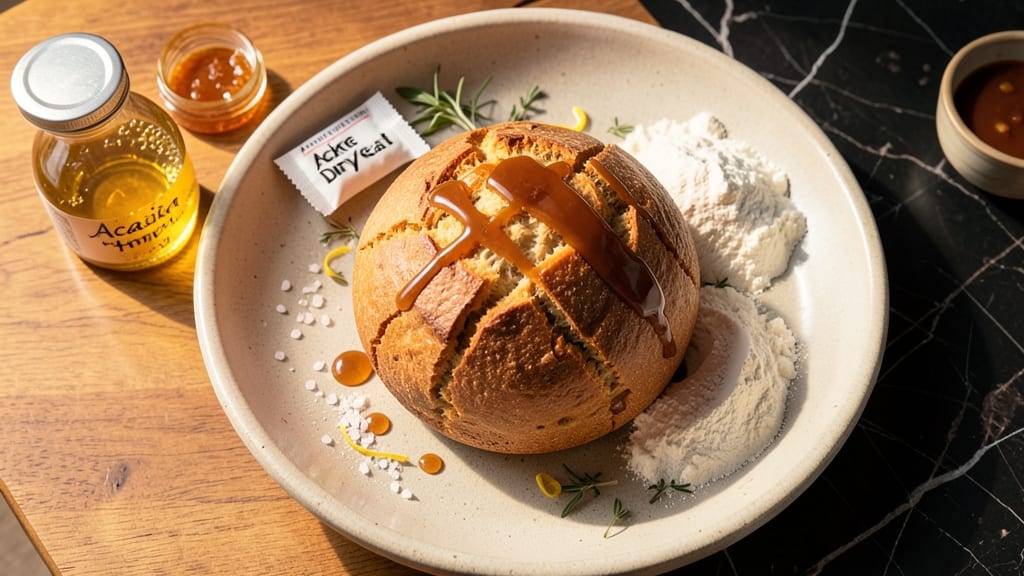
This acacia honey bread recipe brings the fragrant essence of Middle Eastern bakeries straight to your kitchen, where golden crust meets floral sweetness in every bite.
The secret lies in a simple dough infused with acacia honey—a delicate balance of floral notes and subtle sweetness that transforms ordinary flatbread into something extraordinary.
I developed this recipe after years of perfecting the art of rolling, scoring, and baking until the crust achieves that coveted crispy crunch while keeping the interior tender.
The beauty of this recipe is its versatility—whether you're serving it as a side to soups, stuffing it with cheese and herbs for a hearty meal, or simply enjoying it warm with a spread of labneh and olive oil.
The dough comes together in just 15 minutes, but the magic happens during the 10-minute baking where the acacia honey caramelizes into a fragrant glaze. This isn’t just bread; it’s a canvas for flavor that elevates any meal.
What makes this acacia honey bread truly special is the cultural touch—inspired by traditional Middle Eastern techniques where bread isn’t just food, but a centerpiece. The dough’s elasticity and the honey’s floral aroma create a sensory experience that’s both comforting and refined.
Once baked, the bread develops a crusty exterior with a soft, pillowy interior, making it the perfect vessel for dips, meats, or even a simple drizzle of extra honey.
Ready to master this recipe? The process is straightforward, but the result is anything but ordinary. Whether you're hosting a dinner or simply craving a taste of tradition, this acacia honey bread will leave everyone asking for seconds.
Let’s get started—your kitchen is about to smell like a sunlit bakery in Damascus.
Ingredients for acacia bread
Just nine ingredients transform your kitchen into a Middle Eastern bakery.
| Ingredient | Amount | Notes |
|---|---|---|
| All-Purpose Flour 🌾 | 3 ½ cups | Spooned and leveled for accuracy |
| Acacia Honey 🍯 | ½ cup | Pure, unprocessed preferred |
| Active Dry Yeast 🍞 | 1 tbsp | Freshly opened for best results |
| Warm Water 💧 | 1 ¼ cups | 110°F for optimal yeast activation |
| Granulated Sugar 🍚 | 1 tbsp | For yeast activation |
| Salt 🧂 | ½ tsp | Fine sea salt preferred |
| Olive Oil 🫒 | 2 tbsp | Extra-virgin for richness |
| Sesame Seeds 🌰 | 2 tbsp | Toasted for extra crunch |
| Cornmeal 🌽 | ¼ cup | For dusting baking sheet |
The acacia honey is everything here. Middle Eastern markets or specialty stores carry the best—look for pure, unfiltered honey with a delicate floral aroma. If you can't find acacia, manuka or wildflower honey works in a pinch, but it won't have that signature floral note. The yeast needs to be fresh, so check the expiration date—old yeast won't activate properly. For the flour, King Arthur or Gold Medal brands are my go-tos—they give that perfect balance of structure and tenderness. And trust me, the sesame seeds? Toast them in a dry pan for 30 seconds—they'll add a nutty depth you won't get from untoasted seeds.
No acacia honey? Substitute with half the amount of regular honey plus 1 tsp orange blossom water for that floral touch. Running low on olive oil? Avocado oil works just as well. The cornmeal is optional but worth it—it keeps the bread from sticking to the baking sheet. If you don't have a scale, spoon and level your flour—don't scoop directly from the bag or you'll end up with too much. And if your yeast isn't active after 5 minutes, start over with fresh yeast—there's no coming back from dead yeast in dough.
This dough keeps beautifully in the fridge for 24 hours wrapped in plastic, or you can freeze it for up to 3 months—just thaw overnight in the fridge before shaping. The baked bread stays fresh for 3 days if you store it in a bread bag, but honestly? It's best warm. I like to reheat slices in a 350°F oven for 5 minutes—crispy crust, soft interior, every time. And if you make extra? Freeze the shaped dough balls—just bake straight from frozen, adding 2-3 minutes to the time.
Why You'll Love This Recipe
- No-Knead Magic: This bread practically makes itself—just mix the flour, yeast, and warm water, let it rise overnight, then bake. I swear, my hands stay clean while the house smells like heaven.
- Honeyed Crust Perfection: That acacia honey? It caramelizes into a sticky, golden crust that’s irresistible. One bite and you’ll understand why I keep a loaf in the freezer at all times.
- Weeknight Workhorse: Toss it in a lunchbox, toast it for breakfast, or serve it with soup—this bread handles everything. Honestly, I’ve even used slices to soak up marinara when I’m lazy.
- Budget-Friendly Staple: Five ingredients, minimal effort, and it lasts for days. Between us, this is the bread that actually gets eaten before it goes stale. (Yes, even the kids ask for it.)
Step-by-step instructions for acacia honey bread
This bread delivers a perfect balance of crispy crust and tender crumb with that signature floral honey aroma.
Activate the Yeast with Warm Water and Sugar
In a small bowl, combine the 1.25 cups warm water (around 110°F) with the 1 tbsp granulated sugar and 1 tbsp active dry yeast. Let it sit for 5-10 minutes until it becomes frothy and bubbly. This tells you the yeast is alive and ready to work.
I always check the water temperature first with my finger—it should feel warm but not hot. If it's too hot, you'll kill the yeast; if it's too cold, it won't activate properly. The sugar feeds the yeast, helping it multiply and create those tiny bubbles that make bread light and airy.
Mix the Dough Until Smooth and Elastic
In the bowl of a stand mixer fitted with the dough hook attachment, combine the 3.5 cups all-purpose flour, 0.5 tsp salt, and the yeast mixture. Mix on low speed for 2 minutes to combine.
Then add the 0.5 cup acacia honey and 2 tbsp olive oil. Increase the speed to medium and knead for 5-7 minutes until the dough becomes smooth, elastic, and pulls away from the sides of the bowl. You'll know it's ready when it forms a windowpane—if you stretch a small piece, it should be thin enough to see light through without tearing.
Let the Dough Rise Until Doubled in Size
Lightly grease a large bowl with olive oil, place the dough inside, and cover it with a damp kitchen towel. Let it rise in a warm place for 1-2 hours, or until it has doubled in size. You'll see it puff up and feel lighter when pressed gently with your finger.
I like to place the bowl near the oven with the light on (the warmth helps it rise faster) or on top of my stove with the pilot light on. The dough should spring back slowly when poked—this means it's ready for shaping. If it's still sticky, it needs more time. Don't rush this step; proper rising creates that beautiful open crumb structure.
Shape and Proof the Dough for Maximum Flavor
Turn the dough onto a lightly floured surface and gently shape it into a loaf. I like to fold the ends toward the center and roll it into a smooth, slightly tapered log. Place it seam-side up in a greased 9x5-inch loaf pan.
Cover the loaf pan with the damp towel again and let it proof for another 30-45 minutes until it rises about an inch above the pan. This second rise ensures the bread has the right texture and flavor. The surface should look slightly domed and feel firm to the touch.
Bake Until Golden Brown with a Crispy Crust
Preheat your oven to 375°F. Sprinkle the top of the dough with 2 tbsp sesame seeds and dust the bottom of the pan with 0.25 cup cornmeal to help create that crispy crust. Bake for 35-40 minutes until the bread is golden brown and sounds hollow when tapped on the bottom.
Here's the thing—don't open the oven door during baking or the bread will collapse. When it's done, let it cool in the pan for 10 minutes before transferring to a wire rack. The internal temperature should reach 190-200°F for perfect doneness. Slice it warm for the best texture and enjoy that fragrant honey aroma wafting through your kitchen.
Pro Tips For Making Acacia Bread
- Dissolve Yeast First: I learned this the hard way—tossing dry yeast straight into warm water and honey will work, but it takes longer to activate. Instead, mix the yeast with a pinch of sugar first, then add the honey and water. The foam starts in 3-5 minutes (not 10), and your dough rises faster—trust me, your patience will pay off.
- Use Room-Temp Honey: Acacia honey thickens dramatically when cold, and cold honey in dough slows yeast activity. Let that jar sit in warm water for 5 minutes before measuring—just enough to make it pourable. Your dough will rise smoother, and the honey’s flavor will integrate evenly (no clumpy surprises).
- Don’t Over-Knead: This dough is forgiving, but after 8-10 minutes of kneading by hand (or 4-5 minutes with a mixer), stop. Overworking it develops too much gluten, and your bread turns tough instead of tender. Press a finger into the dough—if it springs back slowly, you’re golden.
- Bake Until Internal Temp Hits 190°F: That honey caramelizes fast, and your bread can look done at 180°F but still taste underbaked inside. Use an instant-read thermometer—190°F guarantees a crisp crust and a soft, even crumb. If you’re without one, tap the bottom: it should sound hollow, not dull.
Best sauces and condiments for acacia bread
Honey Glaze Perfection
Drizzle the warm bread with a thin layer of acacia honey right after baking—about 1 tablespoon—while it’s still hot. The residual heat will make the honey caramelize slightly, creating a glossy finish that enhances the floral notes.
For extra richness, mix 1 tablespoon honey with 1 teaspoon lemon juice before drizzling. This tangy-sweet combo balances the bread’s natural sweetness and adds a bright contrast. 🍯
Olive Oil and Za’atar
Brush the crust with extra-virgin olive oil while still warm, then sprinkle generously with za’atar seasoning (a Middle Eastern blend of sesame seeds, sumac, and dried herbs). Za’atar’s earthy, citrusy flavor pairs beautifully with the honey’s floral notes, creating a complex, aromatic bite.
For a smoky twist, add ½ teaspoon smoked paprika to the za’atar mix before sprinkling. This combo is a staple in Middle Eastern cuisine and elevates the bread to restaurant-quality.
Labneh and Tahini Dip
Serve slices of the bread with a labneh and tahini dip—mix ½ cup labneh (strained yogurt) with 2 tablespoons tahini, 1 tablespoon olive oil, and a pinch of salt. Drizzle with a little more acacia honey and sprinkle with toasted sesame seeds.
The creamy, tangy labneh cuts through the bread’s sweetness, while the tahini adds a nutty depth. This dip is a match made in heaven and makes the bread feel like a gourmet experience. 🥛
Spicy Harissa Spread
For those who love heat, spread a thin layer of harissa paste on warm slices of bread. Harissa’s smoky, spicy kick contrasts perfectly with the bread’s sweet honey notes. Start with 1 teaspoon and adjust to taste—harissa can be intense!
Pair it with a dollop of Greek yogurt to cool the heat and add creaminess. This combination is inspired by Tunisian street food and adds a bold, flavorful punch to every bite.
Fresh Herbs and Garlic
Finish your bread with a sprinkle of fresh herbs like chopped mint, parsley, or dill, along with a few garlic cloves lightly crushed on top. The fresh herbs add a bright, herbaceous note that complements the honey’s floral aroma, while the garlic brings a savory depth.
For extra flair, drizzle with a little lemon zest to brighten the flavors. This simple yet elegant topping transforms the bread into a versatile side for any meal. 🌿
Nutrition facts
Frequently asked questions
Can I make this acacia bread without a stand mixer?
You can mix the dough by hand in a large bowl. After combining the flour, yeast mixture, and salt, knead for 8-10 minutes until the dough becomes smooth and elastic. Use the "windowpane test"—stretch a small piece of dough between your fingers until it's thin enough to see light through without tearing. This method works just as well and requires no special equipment.
What if my dough doesn't rise properly?
If your dough isn't rising, check these three things first: yeast freshness (test it in warm water with sugar—it should bubble in 5 minutes), water temperature (should be 110°F, not boiling), and warmth (place the bowl near the oven light or on a warm stove top). If all checks out, try adding 1 extra teaspoon of sugar to feed the yeast. Patience is key—let it rise until doubled in size!
How can I tell when the bread is fully baked?
Look for three signs: golden brown crust, a hollow sound when tapped on the bottom, and an internal temperature of 190-200°F. The edges should pull away from the pan slightly, and the bread should smell wonderfully fragrant. Overbaking can dry it out, so aim for 35-40 minutes at 375°F—every oven varies, so keep an eye on it after 30 minutes.
Can I make this bread with whole wheat flour?
Yes, but expect a denser texture. Replace 1 cup of all-purpose flour with whole wheat flour, and add 1 extra tablespoon of olive oil to maintain moisture. Whole wheat absorbs more liquid, so you may need to adjust. For best results, use a blend of 50% whole wheat and 50% all-purpose flour—this keeps the bread tender while adding nutty flavor. Let it rise slightly longer (up to 2.5 hours) since whole wheat dough rises slower.
Why does my acacia bread taste bland?
Bland flavor usually means the acacia honey's floral notes aren't shining through. Try these fixes: Use more honey (up to ⅔ cup if you love sweetness), toast the sesame seeds before sprinkling (nutty depth!), or add ½ teaspoon ground cardamom to the dough for warmth. Also, ensure your honey is pure acacia—some commercial honeys are pasteurized and lose their delicate aroma. Freshly baked bread tastes best, so slice it warm!