
Side Dishes
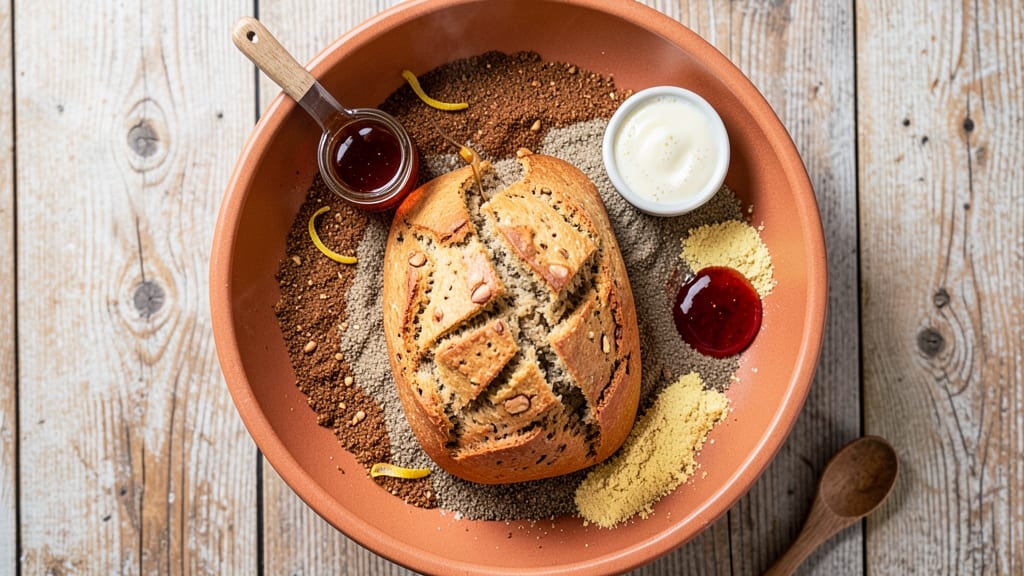
This almond and coconut flour bread recipe delivers a fluffy, gluten-free loaf that surprises even skeptics with its tender crumb and satisfying texture. The secret lies in blending finely ground almonds with coconut flour's moisture-binding properties, creating a bread that's naturally dairy-free and packed with plant-based protein.
I perfected this recipe after years of experimenting with gluten-free baking—no more dense, crumbly loaves that crumble at the first slice.
The magic happens with a foolproof technique that combines wet and dry ingredients in stages, ensuring proper hydration without overmixing. A splash of apple cider vinegar mimics the lift of yeast, while a touch of psyllium husk powder adds structure without gums or additives.
Baking at 350°F for 40-45 minutes yields a golden crust with a tender interior that holds up to toast, sandwiches, or French toast—without falling apart.
What makes this recipe stand out is its versatility: use the basic dough for savory loaves with rosemary and garlic, or sweeten it with cinnamon and raisins for a breakfast-friendly version.
The nutty flavor from almonds pairs beautifully with coconut's mild sweetness, creating a bread that's naturally rich without dairy or butter. Perfect for those avoiding gluten, dairy, or refined flour, this recipe proves healthy baking can still deliver restaurant-quality results.
Once you try this method, you'll never reach for store-bought gluten-free bread again. The instructions walk through every step—from measuring flours to achieving that perfect rise—so you can confidently bake a loaf that's light, flavorful, and holds together like traditional bread.
Let's get started on creating your own perfect gluten-free loaf.
Ingredients for almond and coconut flour bread
These twelve powerhouse ingredients transform into a loaf so light and flavorful, no one will guess it's gluten-free.
| Ingredient | Amount | Notes |
|---|---|---|
| Finely Ground Almond Flour 🌰 | 2 cups | Blanched almonds preferred |
| Coconut Flour 🥥 | ½ cup | Unbleached, fine texture |
| Psyllium Husk Powder 🌿 | 2 tbsp | Pure, unsweetened blend |
| Coconut Milk (Full-Fat, Canned) 🥥 | 1 can | Chilled overnight for thickness |
| Apple Cider Vinegar 🍎 | 1 tbsp | Raw, unfiltered preferred |
| Pure Maple Syrup 🍁 | 2 tbsp | Grade B for deeper flavor |
| Extra-Virgin Olive Oil 🫒 | ¼ cup | Cold-pressed, fruity variety |
| Baking Soda 🧂 | ½ tsp | Aluminum-free preferred |
| Sea Salt 🧂 | ½ tsp | Fine grain, uniodized |
| Vanilla Extract 🌸 | 1 tsp | Pure, alcohol-free preferred |
| Water 💧 | ½ cup | Room temperature preferred |
| Flaxseed Meal 🌾 | 1 tbsp | Ground fresh for binding |
| Sesame Seeds (Optional) 🌻 | 1 tbsp | Toasted for crunchy topping |
The almond flour is non-negotiable—Bob's Red Mill or Nuts.com have the finest grind for that tender crumb. Coconut flour absorbs moisture like a sponge, so measure it by weight if possible—spooning leads to dry loaves. Psyllium husk is your secret weapon: Bob's Red Mill brand works best for that perfect rise. For coconut milk, Aroy-D brand from Asian markets delivers the richest texture—skip the cartons, they're watered down. The maple syrup? Grade B has that caramel depth that makes this taste homemade.
No almond flour? Cashew flour at 1:1 ratio works, but texture will be denser. Subbing coconut flour? Tapioca starch at half the amount mimics its binding power. Vinegar out of stock? Lemon juice at equal parts does the trick, though flavor shifts slightly. The flaxseed meal can be swapped for chia seeds soaked in water (1 tbsp chia + 3 tbsp water = 1 tbsp flax). For a nut-free version, sunflower seed flour replaces almond flour—just add 2 extra tbsp water. Pro tip: Toast your sesame seeds in a dry pan for 2 minutes before sprinkling—they'll sing with flavor.
This dough behaves differently than wheat flour—let it rest 10 minutes after mixing before shaping. For a golden crust, brush the top with olive oil mixed with water before baking. Cool completely on a wire rack (trust me, it's worth the wait). Wrapped in a cotton towel, it stays fresh for 3 days at room temp. Freeze slices for up to 3 months—toast straight from frozen for crispy results. The leftovers? Perfect for French toast or croutons—this bread gets better with reheating.
Why You'll Love This Recipe
- No Mixer Needed: The psyllium husk does all the heavy lifting—just stir, pour, and bake. Honestly, I’ve made this in a mug when I forgot to pull out the loaf pan.
- Taste Like Butter (No Butter): That coconut milk and apple cider vinegar combo makes it rich and slightly tangy—almost like a cross between brioche and a scone. My gluten-free friends swear it’s the closest thing to real bread they’ve ever had.
- Keto-Friendly Crowd Pleaser: I’ve brought this to potlucks, meal prep days, and even as a side for holiday dinners. It’s sturdy enough for sandwiches but light enough for toast—no one ever guesses it’s flourless.
- Lasts a Week (Seriously): Between us, I’ve had this bread sit on my counter for six days without drying out. The almond flour keeps it moist, and the coconut flour adds that perfect crumb—plus, it freezes like a dream for lazy mornings.
Step-by-step instructions for almond and coconut flour bread
Here's how to bake a light, airy gluten-free loaf that rivals traditional bread—every crumb perfect.
Whisk Dry Ingredients for Maximum Lightness
In a large mixing bowl, combine the 2 cups finely ground almond flour and 0.5 cup coconut flour. This blend creates the perfect gluten-free structure—almond flour adds tenderness while coconut flour absorbs moisture. Sift in the 2 tbsp psyllium husk powder and 0.5 tsp baking soda, then whisk vigorously for 2 minutes until no lumps remain. The psyllium will form a gel when wet, binding the bread together like gluten.
Add the 0.5 tsp sea salt and 1 tsp vanilla extract, whisking until evenly distributed. The vanilla adds subtle sweetness that balances the nutty flavors. For a nutty depth, I recommend using blanched almond flour—it's lighter and less bitter than unblanched. If you're using optional 1 tbsp sesame seeds, set them aside for the topping.
Mix Wet Ingredients to Create a Thick Batter
In a separate bowl, whisk together the 1 can chilled coconut milk (be sure to shake it well first), 0.25 cup extra-virgin olive oil, 2 tbsp pure maple syrup, 1 tbsp apple cider vinegar, and 0.5 cup water. The vinegar will curdle slightly—this is normal and helps create a light texture. Add the 1 tbsp flaxseed meal and stir until fully dissolved. The flaxseed acts as a natural egg substitute, adding binding power and omega-3s.
Pour the wet mixture into the dry ingredients and stir with a spatula until just combined. You'll notice the batter thickens dramatically as the psyllium absorbs liquid. This is crucial—overmixing develops gluten-like proteins, so stop stirring when there are only a few dry spots remaining. The batter should be thick, almost like cookie dough, but not dry.
Let the Batter Rest for Optimal Texture
Cover the bowl with plastic wrap and let the batter rest at room temperature for 20 minutes. This resting period allows the psyllium to fully hydrate and the flaxseed to develop its binding properties. I know it's tempting to skip this step, but trust me—it makes a noticeable difference in the final texture. The bread will be more tender and less dense if you let it rest.
While the batter rests, preheat your oven to 350°F and line a 9x5-inch loaf pan with parchment paper, leaving an overhang on the sides for easy removal. Grease the parchment lightly with olive oil to prevent sticking. The high-fat content in this recipe means the bread needs extra help releasing from the pan without tearing.
Bake Until Golden and Internal Temp Reaches 205°F
Pour the rested batter into the prepared loaf pan and smooth the top with a spatula. If using, sprinkle the 1 tbsp sesame seeds evenly over the top for a crunchy contrast. Bake in the preheated oven for 50-55 minutes, until the top is golden brown and a toothpick inserted into the center comes out clean. The bread is done when it reaches an internal temperature of 205°F—this ensures it's fully set without being dry.
Here's the thing about gluten-free bread—it can dry out quickly if overbaked. Watch closely after 45 minutes, as ovens vary. If the top browns too quickly, tent the pan with foil to prevent over-browning while allowing the center to cook through. The bread should have a slightly domed top with a crisp crust and a tender, moist crumb.
Cool and Slice for Perfect Texture
Remove the bread from the oven and let it cool in the pan for 10 minutes, then transfer to a wire rack to cool completely for at least 1 hour. This cooling period is critical—gluten-free bread continues to set as it cools, and rushing this step can result in a gummy texture. I like to slice the bread while it's still slightly warm to make it easier to handle, but it's best to serve it at room temperature.
Slice the bread into ½-inch thick pieces for sandwiches or ¼-inch for toast. Each slice should be light, airy, and hold its shape without crumbling. The crust will be slightly crisp while the interior remains soft and moist, thanks to the coconut milk and olive oil. Store any leftovers wrapped in the parchment paper at room temperature for up to 3 days, or freeze for longer storage.
Pro Tips For Making Almond And Coconut Flour Bread
- Mix the Psyllium Last: I learned this the hard way—adding psyllium husk powder to the wet ingredients first creates lumps that never fully dissolve, no matter how much you stir. Mix it into the dry almond and coconut flour after combining the coconut milk and vinegar, then fold everything together gently. The goal is to distribute it evenly without overworking the batter.
- Let Coconut Flour Bloom: Coconut flour absorbs liquid like a sponge, so don’t skip the 10-minute rest after mixing. Whisk it into the wet ingredients, let it sit, then stir again—this guarantees a lighter crumb instead of a dense, gummy mess. (Yes, even if you’re impatient like me.)
- Bake at 325°F, Not Hotter: After burning three batches, I finally figured out this bread’s sweet spot: 325°F is the magic number. Higher heat causes the almond flour to brown too fast on the outside while staying raw inside. A toothpick should come out clean after 45–55 minutes, but don’t rely on that—coconut flour bread can fool you.
- Use Full-Fat Coconut Milk: Skimping on the fat here is a mistake. Full-fat canned coconut milk adds richness and helps bind the crumb, while lighter versions make the bread dry or crumbly. No substitutions—this isn’t the place to save calories. The texture difference is night and day.
Serving suggestions for this recipe
Breakfast Delights
Transform your morning with this bread's natural sweetness. Toast thick slices and top with almond butter and sliced banana for a protein-packed breakfast. I love adding a drizzle of honey and a sprinkle of chia seeds for extra crunch.
For a savory twist, spread with cream cheese and smoked salmon, or try avocado mash with everything bagel seasoning. 🥞
Savory Sandwich Base
This bread holds up perfectly for hearty sandwiches. Use it for grilled cheese with sharp cheddar and tomato, or stuff with turkey slices, hummus, and cucumber ribbons.
For a Mediterranean twist, layer with olives, feta cheese, and roasted red peppers. The dense yet tender crumb prevents sogginess, making it ideal for lunchbox meals.
Gourmet French Toast
Cube the bread and soak in a mixture of 2 eggs, ¼ cup milk, 1 tsp vanilla, and 1 tbsp cinnamon for 10 minutes. Pan-fry in butter or coconut oil until golden brown.
Serve with maple syrup and fresh berries for a decadent brunch. The almond base adds a subtle nuttiness that pairs beautifully with the sweetness. 🍴
Crunchy Croutons
Cube leftover bread and toss with 1 tbsp olive oil, ½ tsp garlic powder, and ¼ tsp salt. Toast in a 375°F oven for 8-10 minutes until crispy.
Perfect for salads, soups, or as a snack with hummus or guacamole. The sesame seeds add an extra crunch that elevates any dish.
Dessert Twist
Dip slices in melted dark chocolate and sprinkle with crushed nuts for a quick dessert. Or, layer with whipped coconut cream and fresh mango for a tropical-inspired treat. The bread's subtle sweetness makes it an unexpected but delicious dessert option that feels indulgent yet guilt-free. 🍫
Bread Pudding
Cube the bread and layer with vanilla custard (made from 2 eggs, ½ cup milk, 2 tbsp sugar, and 1 tsp vanilla). Bake at 350°F for 30 minutes until set.
Top with toasted pecans and a drizzle of caramel sauce. This dessert version turns simple bread into a showstopping centerpiece. ✨
Nutrition facts
Frequently asked questions
Why does this recipe use both almond and coconut flour?
Almond flour adds protein and a tender crumb, while coconut flour absorbs moisture and adds structure—together they create a bread that's both light and sturdy. The almond flour prevents dryness, and the coconut flour mimics gluten's binding properties. This combo is perfect for gluten-free baking because it delivers that satisfying chew without gums or additives.
Can I make this bread without psyllium husk?
Psyllium husk is key for that perfect rise, but you can substitute with 1 tbsp ground chia seeds + 3 tbsp water (let it gel for 5 minutes first). For extra structure, add 1 extra tbsp coconut flour—just know the texture will be slightly denser. The psyllium creates that airy crumb that makes this bread so special!
How do I fix a dense or crumbly loaf?
Most likely, you either under-mixed the psyllium or overbaked. Next time, whisk the dry ingredients for 2 full minutes to fully activate the psyllium, and pull the bread when the internal temp hits 205°F—not when it looks done. For a quick fix, slice the bread while warm and toast it—this often improves the texture.
Can I add seeds or nuts to this recipe?
Try 1 tbsp chopped walnuts or pecans for extra crunch, or 1 tbsp pumpkin seeds for a nut-free option. Fold them into the batter before baking, or sprinkle on top like the sesame seeds. Just reduce the coconut flour by 1 tbsp to keep the moisture balance right.
How long will this bread stay fresh?
Wrapped in parchment paper, it stays fresh for 3 days at room temp or 1 week in the fridge. For longer storage, slice and freeze—it toasts beautifully straight from frozen! The coconut milk and olive oil help preserve moisture, but gluten-free bread dries out faster than traditional bread.