
Side Dishes
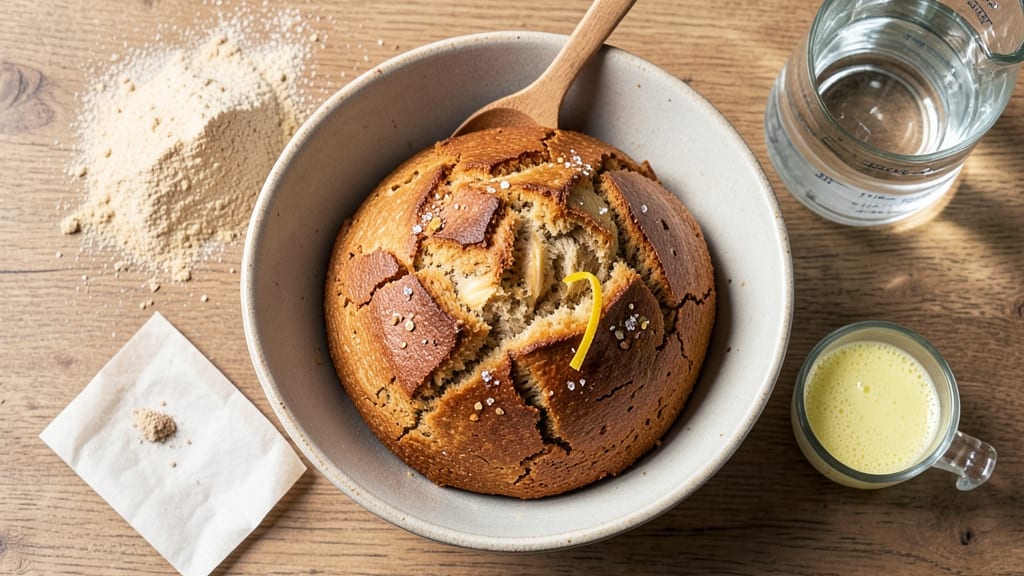
This almond flour bread recipe with xanthan gum delivers a light, airy loaf that rivals traditional bread—without relying on gluten. The secret lies in the right ratio of xanthan gum, which mimics gluten's elasticity while keeping the crumb tender and moist.
I developed this recipe after years of experimenting with gluten-free baking, and it consistently produces a loaf that's perfect for sandwiches, toast, or simply enjoying with butter.
The key to success is proper hydration and gentle mixing. Almond flour absorbs moisture differently than wheat flour, so we use a combination of water and egg whites to create structure. Xanthan gum binds the ingredients together, giving the bread its signature softness and chewiness.
Unlike many gluten-free breads, this recipe doesn't require a long proofing time or specialized equipment—just patience and attention to detail.
What you'll end up with is a golden-brown loaf with a crisp crust and a tender, slightly sweet crumb that's ideal for any meal. The texture is surprisingly light for almond flour bread, thanks to the xanthan gum's ability to mimic gluten's properties.
This recipe is perfect for those with gluten sensitivities, vegans, or anyone looking to incorporate more nutritious grains into their diet.
Once baked, this bread stays fresh for several days when stored properly, making it a great option for meal prep. Whether you're serving it with soup, using it for sandwiches, or simply enjoying it with jam, this almond flour bread is a game-changer for gluten-free baking.
Ingredients for almond flour bread recipe xanthan gum
Pantry staples and specialty ingredients combine for gluten-free perfection with xanthan gum's magic.
| Ingredient | Amount | Notes |
|---|---|---|
| Almond Flour 🌰 | 2 ½ cups | Finely ground, unsweetened preferred |
| Xanthan Gum 🧪 | ½ tsp | Pure, food-grade powder |
| Granulated Sugar 🍚 | ¼ cup | Or coconut sugar for refined option |
| Active Dry Yeast 🍞 | 1 tsp | Ensure freshness with pinch of sugar |
| Egg Whites 🥚 | ½ cup | Pasteurized for safety |
| Water 💧 | ¾ cup | Room temperature preferred |
| Apple Cider Vinegar 🍎 | 1 tbsp | Or white vinegar |
| Salt 🧂 | ½ tsp | Diamond Crystal preferred |
| Olive Oil 🫒 | ¼ cup | Extra-virgin for flavor |
| Flaxseed Meal 🌾 | 1 tbsp | Ground flaxseed for binding |
| Baking Powder 🍞 | ½ tsp | Aluminum-free preferred |
Almond flour is the star here—Bob's Red Mill or Anthony's Goods are my go-tos for consistent texture. The finely ground variety ensures a tender crumb, not gritty bits. Xanthan gum is non-negotiable; Bob's Red Mill sells it in small quantities perfect for baking. Fresh yeast is critical—test it by sprinkling in warm water with a pinch of sugar; if it foams in 5 minutes, it's active. For almond flour, store in a cool, dark place to prevent rancidity, and use within 3 months of opening.
No xanthan gum? Psyllium husk at half the amount works in a pinch, though texture differs slightly. Substitute egg whites with aquafaba (chickpea brine) at 1:1 ratio for vegan consistency. Olive oil can be swapped for avocado oil, but extra-virgin adds subtle richness. The vinegar activates baking powder; lemon juice works too. For storage, keep almond flour in the freezer for up to 6 months to preserve freshness. Mix dry ingredients first to avoid clumping—xanthan gum loves to stick.
This loaf stays fresh 4-5 days when wrapped tightly in parchment and stored at room temperature. For longer shelf life, freeze slices in a bag for up to 3 months. Toasting revives stale bread—5 minutes at 350°F works wonders. The xanthan gum keeps it moist, but avoid over-slicing fresh bread; let it cool completely first. For meal prep, bake two loaves and freeze one immediately—perfect for sandwiches later in the week.
Why You'll Love This Recipe
- No-Knead, No-Fuss Rise: I swear by this recipe—just mix, let it sit, and bake. The xanthan gum does all the heavy lifting, so no overworking dough or waiting for gluten to develop. Honestly, I’ve made it while scrolling through my phone.
- Sweetly Nutty Magic: That almond flour gives it a rich, buttery depth you won’t find in regular bread. A touch of sugar balances the earthiness, and the egg whites keep it light—like a cross between a brioche and a biscotti. (Yes, even on a Tuesday night.)
- Meal Prep MVP: Slices perfectly for toast, French toast, or sandwiches—it’s my go-to for breakfast all week. The yeast keeps it fresh longer than store-bought, and it freezes like a dream. I’ll be real: my lunchbox is always stocked with these.
- Budget-Friendly Luxury: Almond flour is pricier upfront, but one batch feeds my family for days. The yeast and sugar are cheap staples, and the egg whites stretch the dough without sacrificing texture. Not the prettiest, but the taste makes up for it every time.
Step-by-step instructions for almond flour bread with xanthan gum
This method ensures a light, airy crumb without gluten—precision matters at every stage.
Activate the Yeast and Prepare the Wet Ingredients
In a small bowl, combine the 0.75 cup Water with the 1 tsp Active Dry Yeast and 0.25 cup Granulated Sugar. Let this sit for 5 minutes until it becomes frothy—this confirms the yeast is active. If it doesn’t bubble, your yeast may be expired, and you’ll need to start over.
In a separate large bowl, whisk together the 0.5 cup Egg Whites, 0.25 cup Olive Oil, 1 tbsp Apple Cider Vinegar, and 1 tbsp Flaxseed Meal. The flaxseed meal will thicken slightly as it absorbs liquid, creating a natural binder that replaces gluten’s structural role. This mixture should be smooth but slightly viscous—like a thin batter.
Mix Dry Ingredients and Combine Wet and Dry
In a third bowl, sift together the 2.5 cups Almond Flour, 0.5 tsp Xanthan Gum, 0.5 tsp Salt, and 0.5 tsp Baking Powder. The xanthan gum is critical here—it mimics gluten’s elasticity, preventing a dense crumb. Whisk these dry ingredients thoroughly to eliminate any lumps, which can create uneven texture in the final bread.
Gradually add the dry mixture to the wet ingredients, mixing gently with a silicone spatula until just combined. Overmixing introduces air, which can lead to a tough crumb in gluten-free baking. The dough will be thick and sticky—this is normal. Once fully incorporated, fold in the activated yeast mixture until evenly distributed. The batter should hold its shape when spooned but remain cohesive.
First Rise and Prepare the Loaf Pan
Transfer the batter to a lightly greased 9x5-inch loaf pan, smoothing the top with a wet spatula. Cover the pan tightly with plastic wrap and let the batter rise at room temperature for 1 hour. You’ll know it’s ready when the batter expands by about 25% and develops a slight dome in the center. Avoid skipping this step—rising allows the xanthan gum to fully activate and creates that light, airy texture.
While the batter rises, preheat your oven to 350°F. Line a baking sheet with parchment paper for easy removal later. The oven should be fully preheated before baking—this ensures even heat distribution and proper rise.
Bake to a Golden, Even Crumb
Carefully transfer the risen batter (still in its pan) to the preheated oven. Bake for 50-55 minutes, until the top is golden brown and a toothpick inserted into the center comes out clean. The bread may look slightly underdone at first—almond flour bread sets up differently than wheat-based bread, so resist the urge to overbake. Overbaking dries out the crumb and makes it gummy.
For the final 5 minutes of baking, tent the loaf with aluminum foil if the top browns too quickly. This prevents over-browning while allowing the bread to finish cooking evenly. The internal temperature should reach 205-210°F at the center for perfect doneness.
Cool and Slice for Maximum Freshness
Remove the bread from the oven and let it cool in the pan for 10 minutes. Then transfer it to a wire rack to cool completely—this prevents condensation from making the crumb soggy. Almond flour bread is best sliced fresh, so wait at least 30 minutes before cutting. The bread will firm up as it cools, making it easier to slice without crumbling.
Slice with a serrated knife for clean cuts. The crumb should be light and evenly textured, with a slightly moist but not wet interior. If the bread feels dense, it may need a longer rise next time—xanthan gum requires adequate time to develop its binding properties fully.
Pro Tips For Making Almond Flour Bread Recipe Xanthan Gum
- WHISK EGGS AT ROOM TEMP: I learned this the hard way—cold egg whites from the fridge fold into stiff peaks like glue. Let them sit in warm water for 5 minutes first, then whisk until they hold soft peaks but still glide like silk. That’s the sweet spot for lightness in almond flour bread.
- MEASURE ALMOND FOUR BY WEIGHT: Scooping almond flour from a bag is a disaster—it packs unevenly, and your bread turns out dense. Use a kitchen scale for precision (about 1 cup = 120g). Packing it too tight adds extra moisture, which makes the dough gummy. Tap the measuring cup gently to settle it naturally.
- DON’T OVERMIX THE DOUGH: After adding the yeast, mix just until combined—about 10 strokes. Overworking the almond flour releases too much starch, which turns your bread into a dense brick. Stop when the dough clumps loosely, then let it rest. Patience here makes all the difference.
- CHILL THE LOAF BEFORE SLICING: Cutting warm almond flour bread makes it crumble like a pile of sawdust. Pop it in the fridge for 20 minutes first—yes, even if you’re impatient. The gluten (what little there is) firms up, and the slices stay intact. Trust me, your toast won’t turn to dust.
Essential equipment for perfect results
Must-Have Mixing Tools
Start with a 9-inch mixing bowl—I use OXO Good Grips for its non-slip base and easy cleanup. A silicone spatula (like Kitchy) is essential for gently folding thick batter without introducing air.
For sifting dry ingredients, a fine-mesh sieve (my go-to is Norpro) ensures no xanthan gum clumps remain—this prevents dense pockets in your bread. 🌰
Baking Essentials
Your 9x5-inch loaf pan should be lightly greased with olive oil or lined with parchment paper to prevent sticking. I prefer USA Pan loaf pans—they distribute heat evenly and have a non-stick coating.
For rising, use plastic wrap (not foil) to create a humid environment that helps the batter expand properly. A digital thermometer (I love Thermoworks Smoke) ensures your oven hits 350°F accurately—critical for consistent results.
Precision Measuring
Gluten-free baking demands precise measurements—use a digital kitchen scale for almond flour (I weigh mine at 120g per cup) to avoid variations in density. For xanthan gum, a 1/8 tsp measuring spoon (like OXO's mini set) ensures you don't overdo it—too much makes the bread gummy.
A liquid measuring cup with a spout (my Pyrex one) prevents spills when combining wet ingredients. Every gram and drop counts with this recipe!
Optional Upgrades
For a pro touch, invest in a baking stone (like Lodge) to preheat alongside your bread—it creates a crispier crust. A proofing basket (such as Weston stainless steel) lets you shape the loaf freely if you skip the pan, but requires practice.
For storage, vacuum-sealed bags (like FoodSaver) extend freshness beyond 5 days by locking in moisture. These upgrades aren't mandatory, but they elevate your baking game significantly. ✨
Budget-Friendly Swaps
Skip the fancy tools and use what you have: a wooden spoon works for mixing, and a small glass bowl doubles as a measuring cup. For proofing, a clean kitchen towel draped over the pan mimics plastic wrap's humidity.
A meat thermometer (even a cheap Oster one) checks doneness better than a toothpick. The key is precision—not expensive equipment. Even with basics, this bread turns out light and delicious.
Nutrition facts
Frequently asked questions
Why does this almond flour bread need xanthan gum?
Xanthan gum acts as a gluten substitute—it creates elasticity and moisture retention that regular flour provides. Without it, your bread would crumble and lack structure. Just 0.5 teaspoons mimics gluten's binding properties perfectly, giving that light, chewy texture we all love.
Can I make this bread without egg whites?
Yes! Replace the 0.5 cup egg whites with 0.5 cup aquafaba (chickpea brine) for a fully vegan version. The protein content works similarly to bind the ingredients. Just whisk it until frothy first to incorporate air.
What if my bread turns out dense?
Dense bread usually means either under-rising or overmixing. Let the batter rise for 1-2 extra hours next time, and mix just until combined—don't overwork it. Also check your xanthan gum isn't clumped (sift it properly!). A longer bake at 325°F can help too.
How do I store this bread to keep it fresh?
Wrap cooled bread tightly in plastic wrap or store in an airtight container at room temperature for 4-5 days. For longer storage, freeze slices in a bag for up to 3 months. Toasting revives stale slices—just 5 minutes at 350°F works wonders.
Can I add mix-ins like seeds or chocolate chips?
Fold in 1/4 cup seeds (chia, flax, or sunflower) or 1/2 cup mini chocolate chips with the dry ingredients. Just don't exceed 1/3 of the almond flour to maintain structure. For extra flavor, try 1 tsp cinnamon or 1/4 tsp nutmeg.